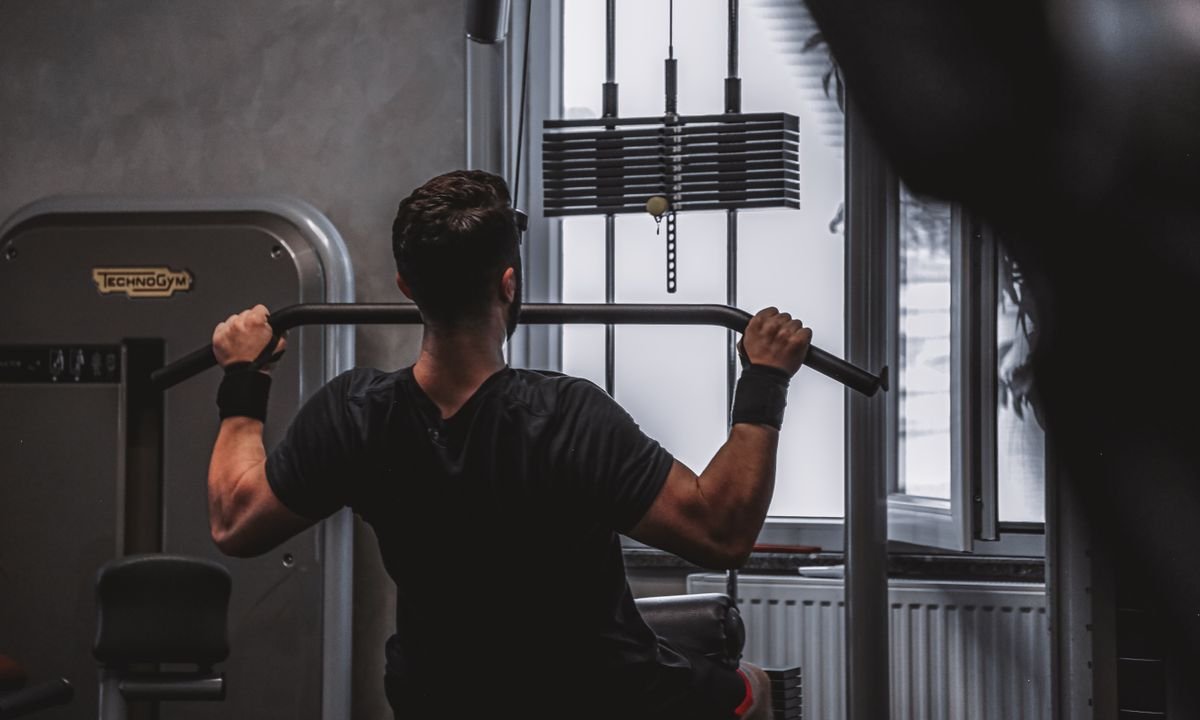
Build your back session around one row and one pulldown, then add a second variation only if it serves a clear purpose. Choose manageable sets and reps, keep your technique repeatable, and progress gradually rather…
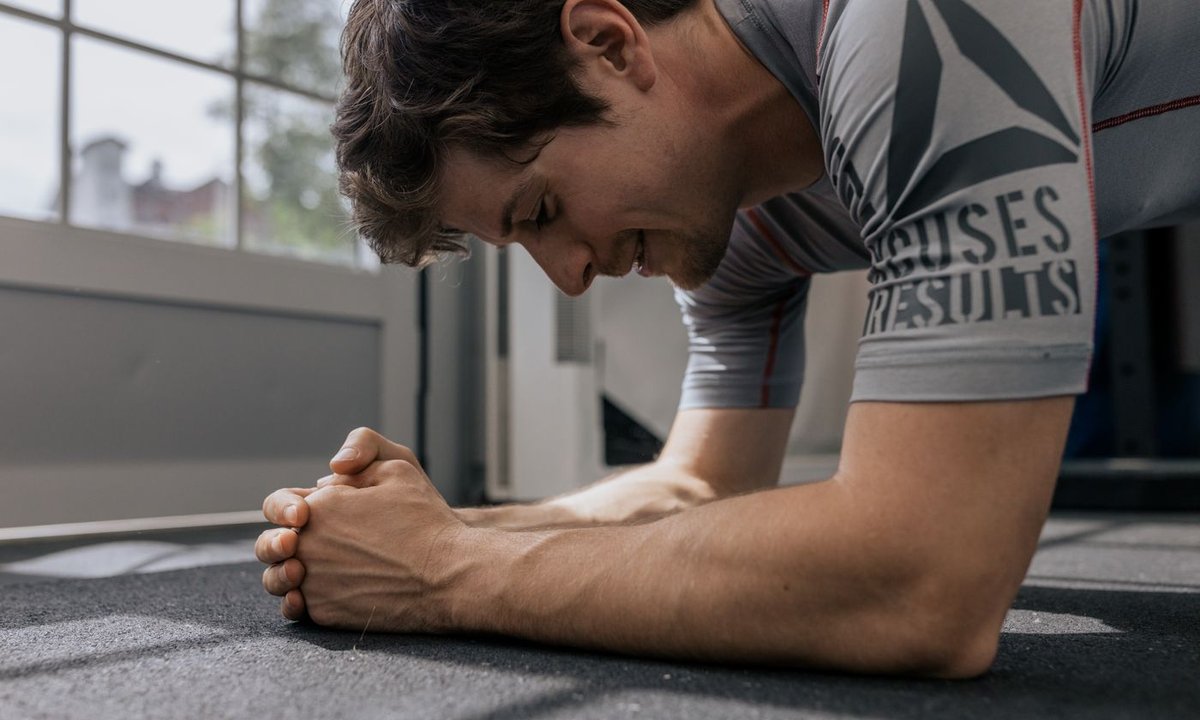
Build a short core session by choosing a few simple movements that challenge different directions, then use controlled reps or brief holds you can repeat with good form. Here’s a practical 10-minute example using a…
A treadmill walk can be a simple, adjustable part of an adult’s weekly training. Start with manageable sessions, use the talk test to set effort, and build a schedule that complements—not replaces—your other training.
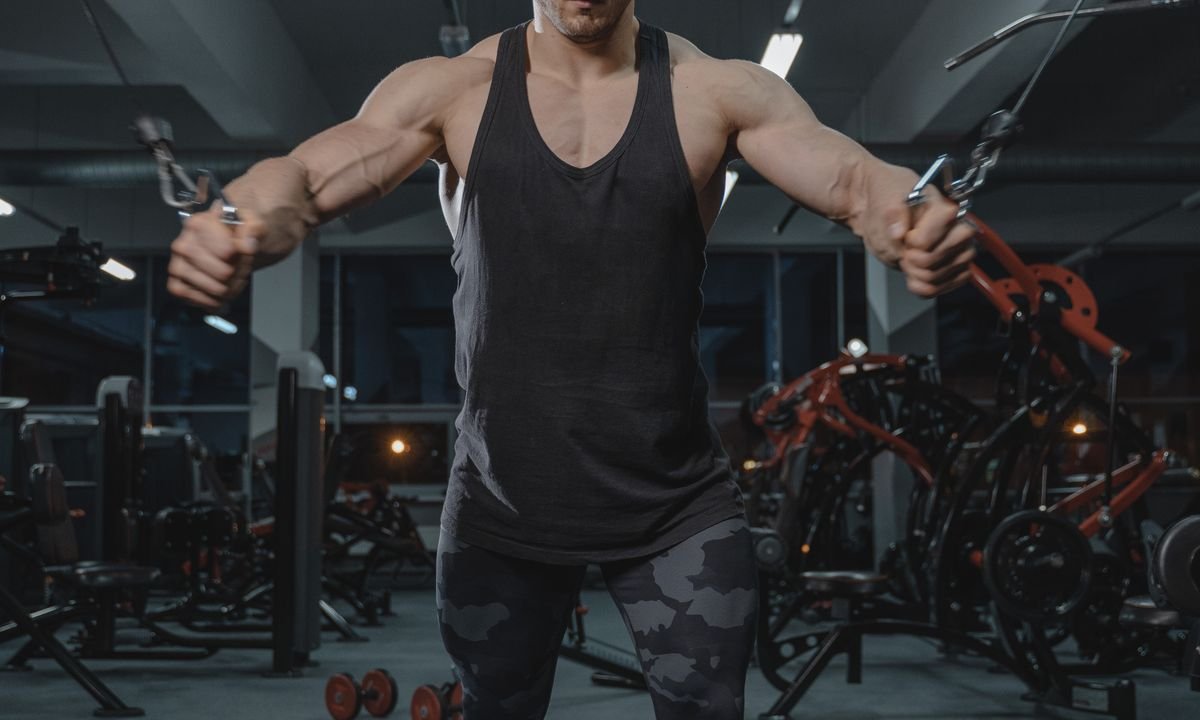
Build a chest session around distinct movement patterns, not a pile of similar press variations. Choose one main press, one press with a meaningfully different angle or setup, and—if useful—a fly or push-up…
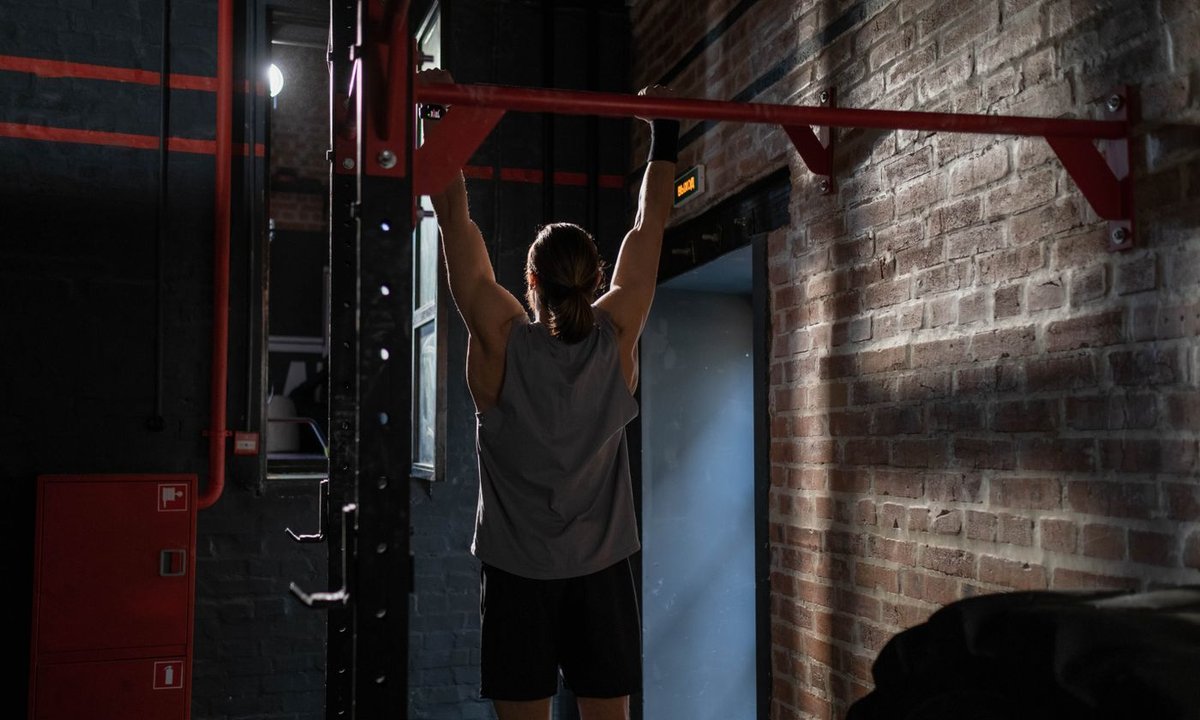
Build toward your first pull-up by practicing controlled pulling with enough assistance to complete good repetitions. Choose a band, assisted-pull-up machine, or feet-supported row; train two or three times a week,…
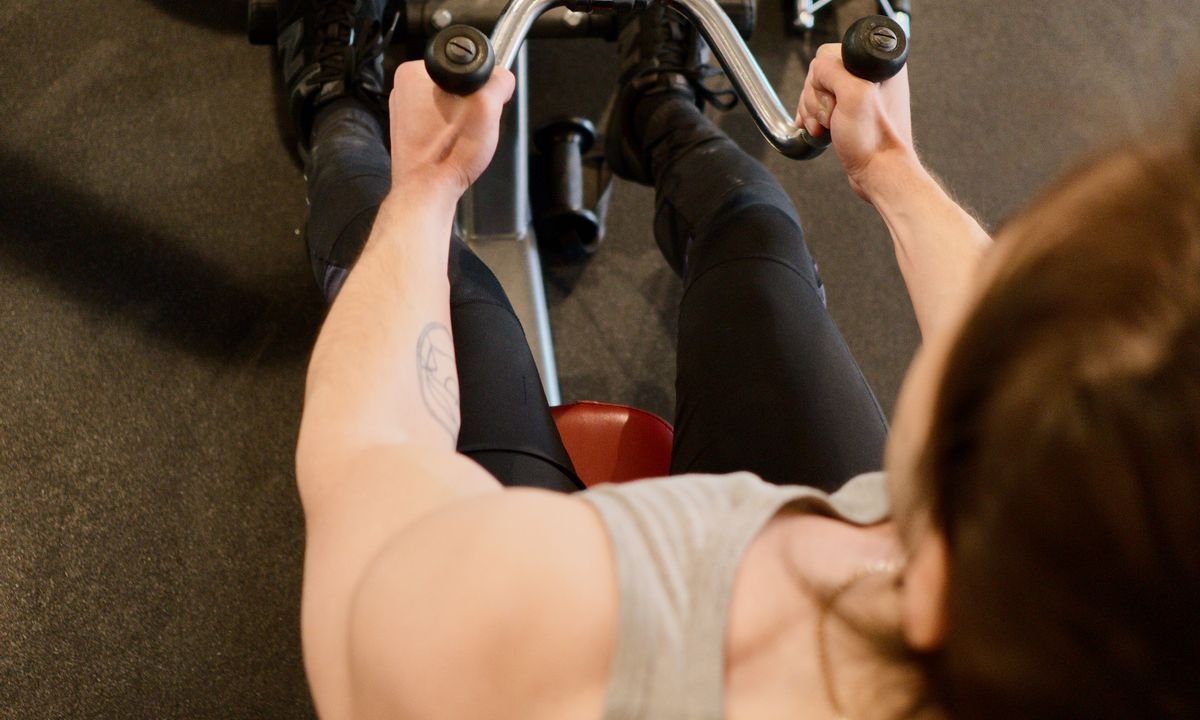
A chest-supported row is a beginner-friendly way to practice a horizontal pull. Learn how to set up the machine or incline bench, choose a manageable load, and add a few controlled sets to a workout.
Build a useful leg session by covering different movement patterns—not by collecting near-identical squat variations. A squat, a hip hinge, a single-leg exercise, and an optional calf or knee-flexion exercise can…
A no-equipment partner session with a quick warm-up, two rounds of simple exercises, and a short cooldown. Take turns keeping time and choose variations that suit each person.
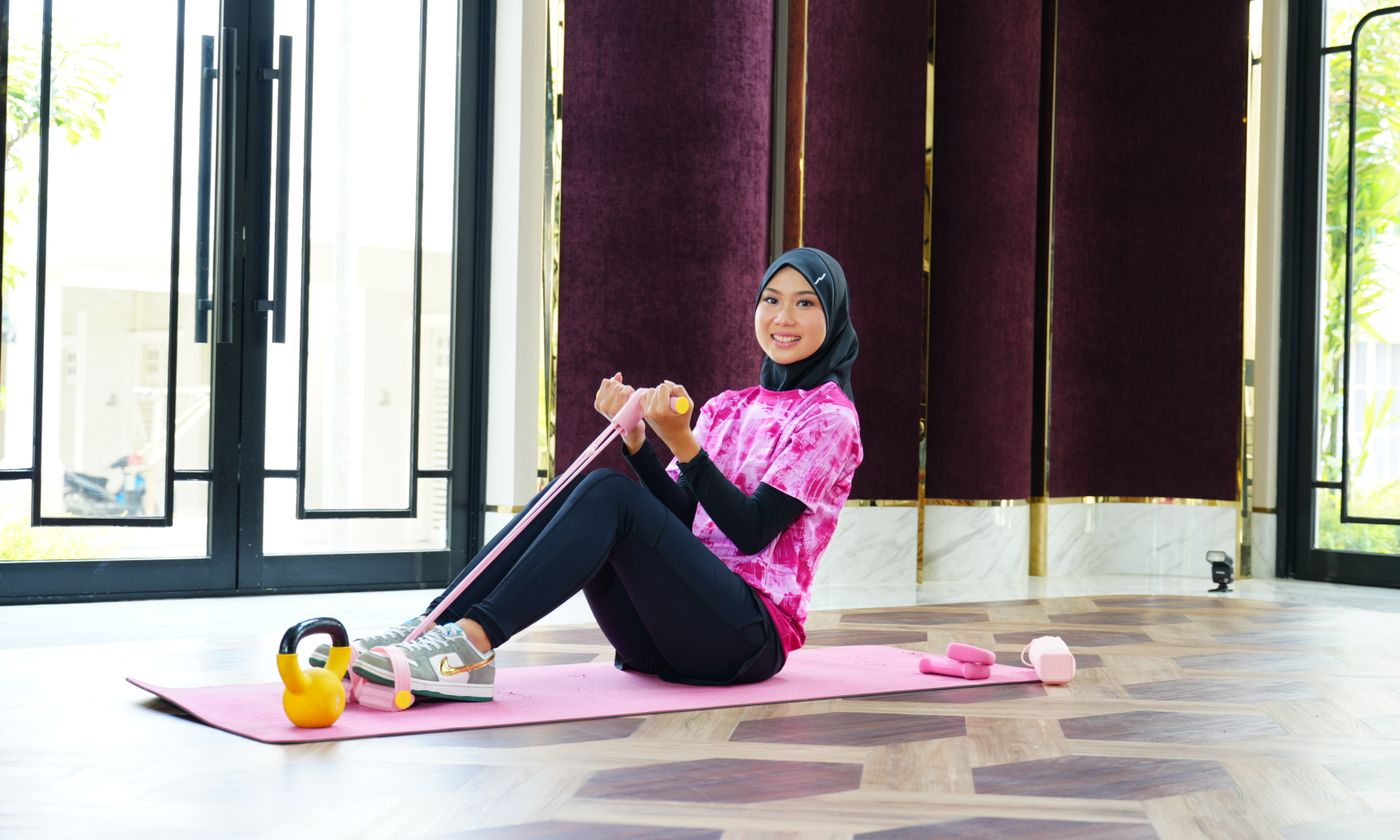
A resistance band and a clear patch of floor are enough for a compact, full-body strength session. This practical routine pairs lower- and upper-body moves, gives beginner-friendly set and rep targets, and explains…