Workouts / 3 min read
How to Build a Back Workout Around Rows and Pulldowns
Build your back session around one row and one pulldown, then add a second variation only if it serves a clear purpose. Choose manageable sets and reps, keep your technique repeatable, and progress gradually rather…
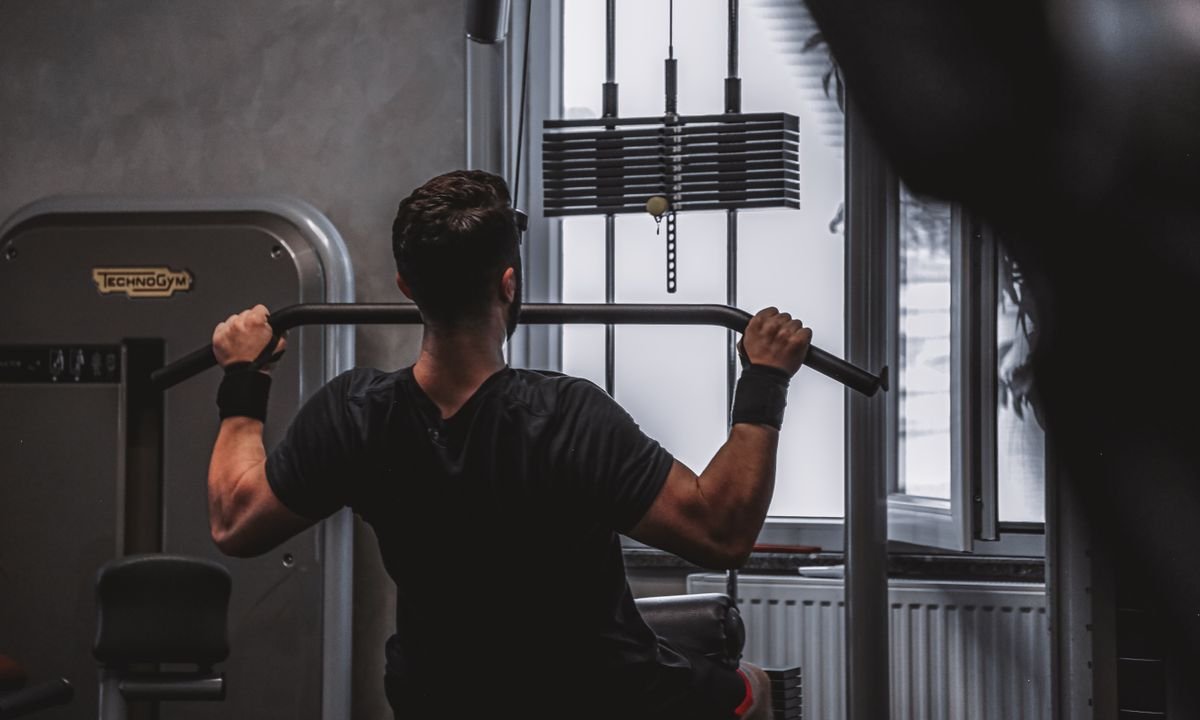
A practical back workout can start with one row and one pulldown: the row gives you a horizontal pull, while the pulldown gives you a vertical pull. Do 2–4 working sets of each for 8–12 controlled reps, resting long enough to perform the next set well. Treat those numbers as a starting template—not a research-established requirement—and adjust based on your experience, schedule, and recovery.
Choose one row and one pulldown
A row brings the resistance toward your torso; a pulldown brings it down from overhead. Together, they give your workout two distinct pulling patterns without needing several versions of each. Pick variations you can set up comfortably and repeat with steady control.
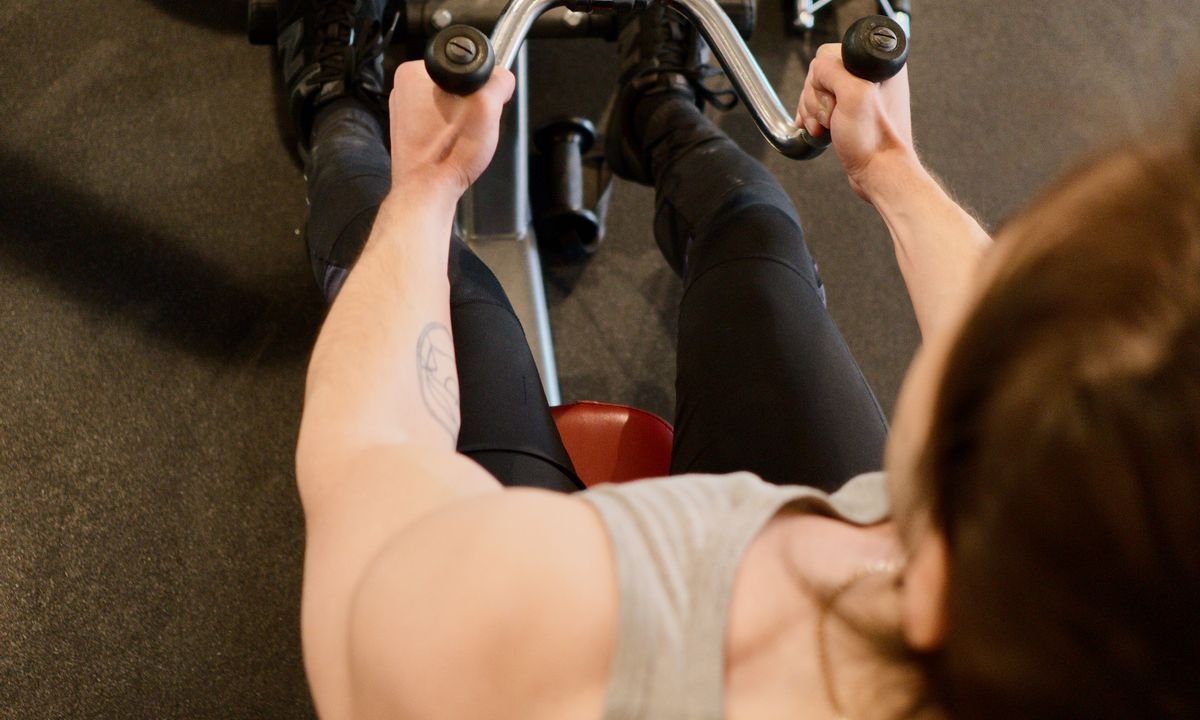
For example, pair a chest-supported machine row with a neutral-grip lat pulldown. The chest support can make it easier to focus on the pull without having to hold a bent-over position; a cable or machine row is another practical choice. For the pulldown, use a grip and range of motion that feel comfortable, and avoid leaning far back to turn it into a different movement.
Build a session that fits your goal
| Exercise | Starting plan | What to focus on |
|---|---|---|
| Chest-supported row | 3 sets of 8–12 reps | Pull toward your lower ribs; keep your torso steady |
| Lat pulldown | 3 sets of 8–12 reps | Pull toward your upper chest; keep the motion controlled |
| Optional rear-delt or upper-back movement | 2 sets of 10–15 reps | Add only if you have time and a specific reason |
This is a practical example, not a tested prescription. If you’re new to these movements, start with two working sets per exercise and practice consistent form. If you have more training experience, add a set or a third exercise only when you can recover and keep your repetitions controlled. You can also swap the row for a one-arm cable row or the pulldown for an assisted pull-up; keep the same movement pattern when comparing progress.
Progress without adding exercise clutter
Choose a load that lets you finish each set with good control and a few repetitions still possible. When you can reach the top of your chosen rep range on every set with the same technique, add a small amount of weight and build back up through the range. Log the exercise, load, and reps so you can compare like with like.
Rest until you’re ready to perform the next set well. In a small randomized study of 21 trained men, longer rest periods (three minutes versus one minute) were associated with better strength gains in squat and bench press over eight weeks; because it did not test rows or pulldowns, use that as context—not proof that three minutes is required for every back set. Study details on PubMed.
If you prefer a familiar partner for a session, Actively is a platonic app for adults to find nearby workout partners and active friends through shared interests, matching, and chat. It can help you connect, but it isn’t a coaching or workout-logging service.
Sources & further reading
- Schoenfeld et al. (2016), Longer Interset Rest Periods Enhance Muscle Strength and Hypertrophy in Resistance-Trained MenChecked October 24, 2026
Prepared with AI assistance by Actively Editorial. Read our sourcing and corrections policy. General educational information; individual needs vary.