Workouts / 3 min read
How to Build a Short Core Workout Around Basic Movements
Build a short core session by choosing a few simple movements that challenge different directions, then use controlled reps or brief holds you can repeat with good form. Here’s a practical 10-minute example using a…
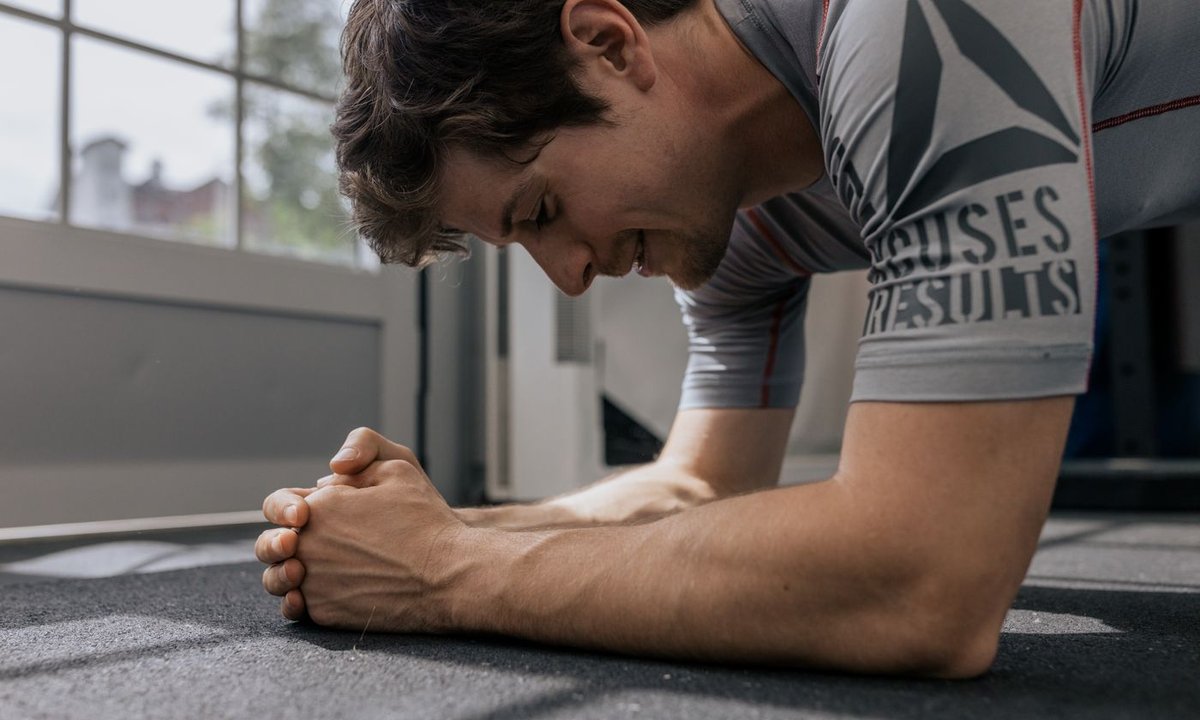
A short core workout doesn’t need a long list of exercises. Choose a few basic movements that challenge your trunk in different ways, such as resisting arching, resisting side-bending, and controlling movement as your arms or legs move. Try the 10-minute example below, using a range or hold time that lets you stay steady and breathe normally. These are practical programming suggestions, not a research-tested prescription.
Build the session from three movement types
For a simple home session, pair one floor-based abdominal movement with a side-support hold and a controlled arm-and-leg movement. A dead bug challenges you to keep your trunk steady as your limbs move. A side plank challenges side-to-side support. A bird dog asks you to control your trunk while reaching opposite limbs away from your body.
Research has compared different core-training approaches, including local muscle-focused and broader movement-based programs; one trial found changes in measured muscle thickness and trunk mobility after four weeks. That doesn’t establish that one short routine works best for everyone, so treat the exercises below as a practical starting point, not a proven ranking. Read the trial on core-stability training.
A practical 10-minute example
Do two rounds, taking about 15–30 seconds to change positions. Rest briefly whenever needed to keep the repetitions controlled.
| Movement | Starting dose | Keep it simple |
|---|---|---|
| Dead bug | 6–8 reps per side | Move one heel toward the floor at a time; keep the movement small enough to control. |
| Side plank | 15–25 seconds per side | Bend your knees and support yourself on your forearm if a straight-leg version is too challenging. |
| Bird dog | 6–8 reps per side | Reach the opposite arm and leg only as far as you can without twisting your torso. |
The times and repetitions are example starting points, not universal targets. Stop a set when you can no longer keep the movement controlled. If a position feels uncomfortable, shorten the range, choose an easier variation, or skip that movement. If you have an injury or persistent pain, seek individual guidance from a qualified health professional before using a new routine.
Make it fit your week
Try the circuit after a strength session or on a separate day when a brief movement break suits you. To progress, first make the same version feel more controlled; then add a few repetitions or seconds, or choose a slightly harder variation. Change one thing at a time so you can tell what feels manageable.
If consistency is the sticking point, invite a friend to do the circuit with you or take turns choosing the movements. Actively is a platonic app for adults to find nearby workout partners and active friends through shared activity interests, mutual matching, and chat—so it may help you find someone to join a simple session.
Sources & further reading
- Assessment of the influence of global and local exercises on core stabilization mechanisms: randomized controlled trialChecked October 29, 2026
Prepared with AI assistance by Actively Editorial. Read our sourcing and corrections policy. General educational information; individual needs vary.