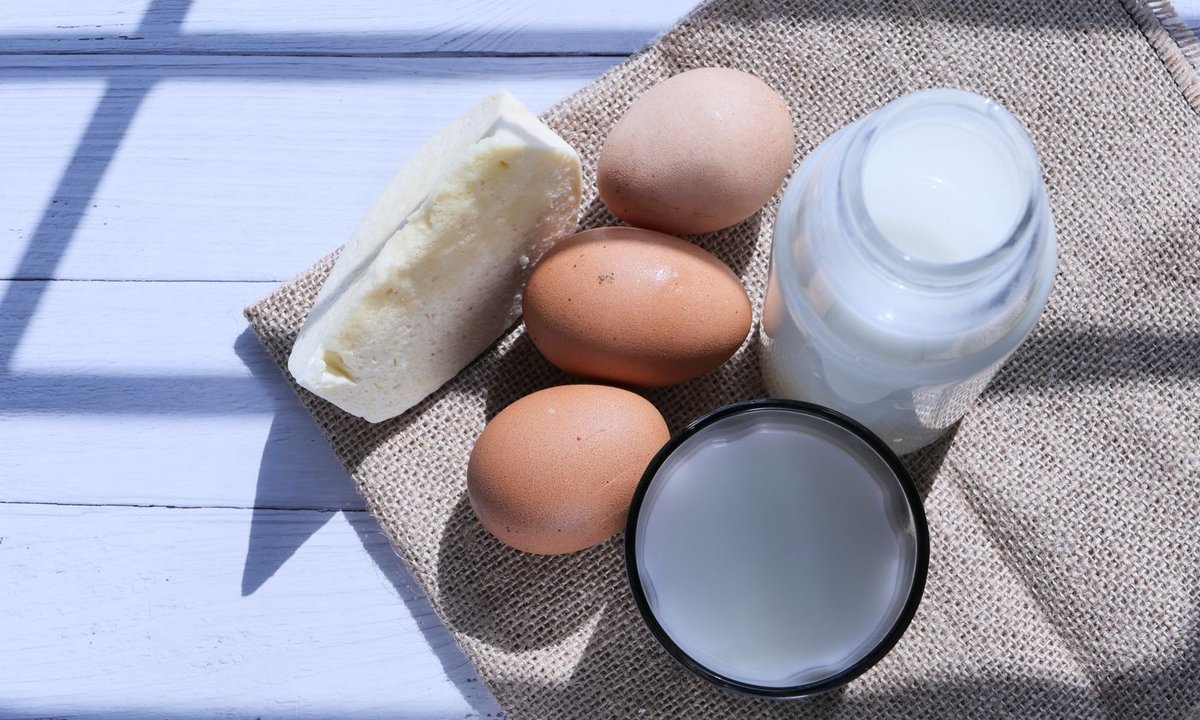
Choose protein foods you’ll actually use: compare the protein per serving, how much preparation and storage they require, and what else comes with them. Canned beans, eggs, plain yogurt, tofu, and ready-to-eat fish…
For a typical indoor gym workout, start normally hydrated, keep water available, and drink when you’re thirsty rather than forcing a set amount. Most sessions do not need a sports drink. Adjust for heat, heavy…
For most healthy adults doing resistance training, a rest day is not a reason to deliberately cut protein. Muscle recovery continues between workouts, so keeping your usual daily target is a practical approach; the…
For a midday workout, choose a familiar snack that fits the time you have: a small, easy-to-digest carbohydrate option shortly before exercise, or a more filling snack an hour or two beforehand. The portions below…
Caffeine may make an evening workout feel easier, but a late dose can also make it harder to fall asleep or sleep well. The tradeoff depends on the amount, timing, and your sensitivity. If sleep matters more than a…
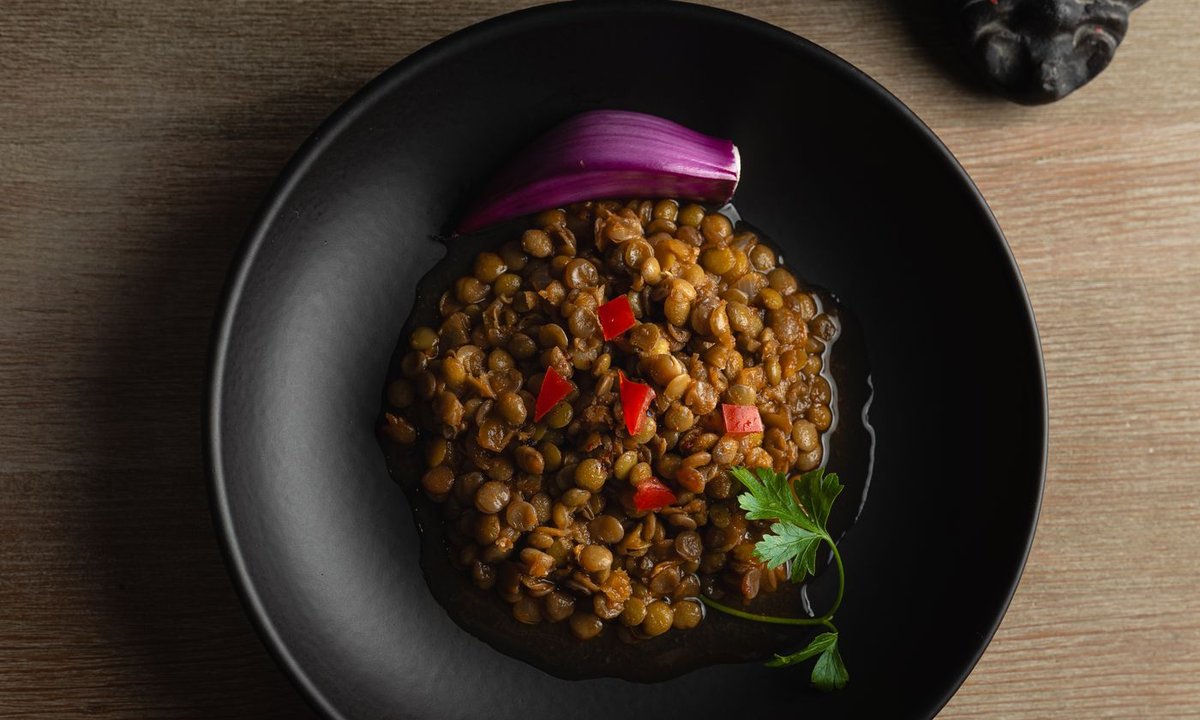
Use lentils for their earthy flavor, soft texture, and ability to make a dish more substantial—not as a one-for-one meat substitute. Start with a small scoop in meals you already enjoy, then adjust seasoning and…
Build lunch around a satisfying protein source, a generous carbohydrate, and produce, then leave time to digest before your workout. Adjust portion size and food choices to how soon you’ll exercise and what feels…
Keep fiber-rich foods in your regular meals, and adjust what you eat shortly before training only if it tends to cause discomfort. A small study of endurance runners found that some avoided high-fiber foods before…
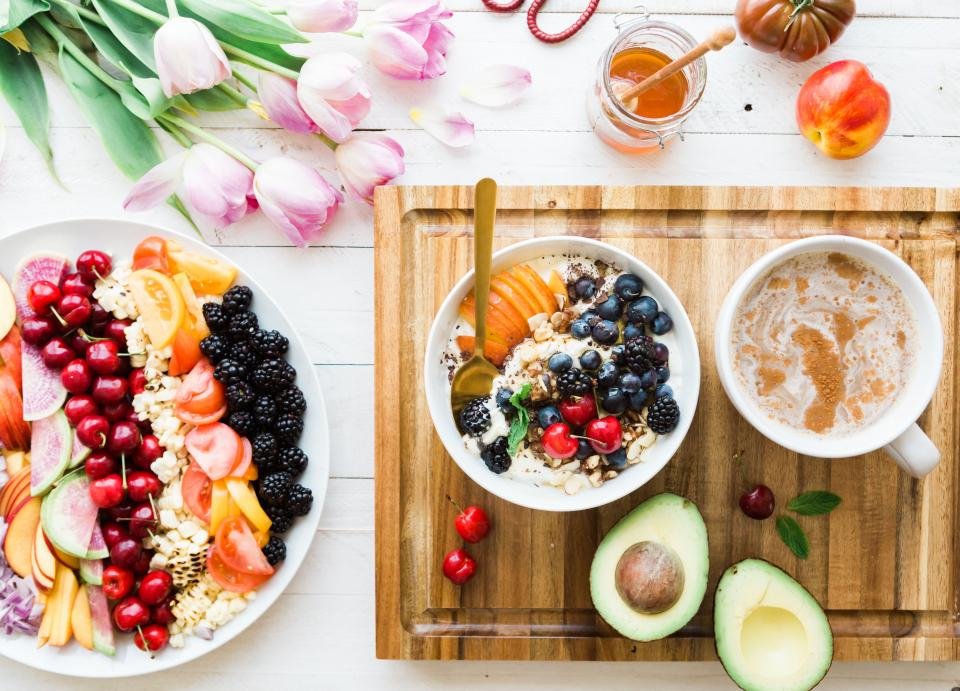
Build vegetable variety into meals you already eat: add one vegetable to breakfast, pack a crunchy or cooked option at lunch, and rotate dinner sides. Fresh, frozen, and canned vegetables can all work. The portions…