Workouts / 3 min read
A 20-Minute Bodyweight Workout You Can Do With a Friend
A no-equipment partner session with a quick warm-up, two rounds of simple exercises, and a short cooldown. Take turns keeping time and choose variations that suit each person.
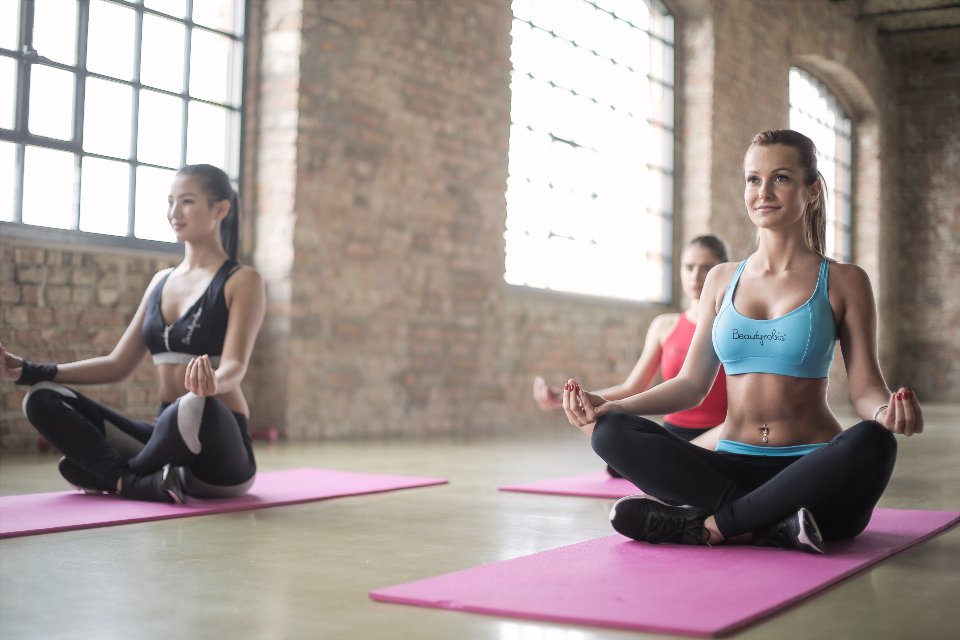
This 20-minute bodyweight workout gives two adults a simple way to move together without equipment: warm up, complete two rounds of five exercises, then cool down. Take turns timing and offering encouragement, not competing for reps. Adjust the movements or rest whenever needed; the goal is a session you can finish with steady, controlled effort.
The 20-minute plan
Set a timer. During each work interval, one friend exercises while the other counts time and rests; switch roles halfway through. Use a pace that lets you keep good control, and stop or modify a movement if it causes pain. The timings below are a practical format, not a research-tested prescription.
| Minutes | What to do |
|---|---|
| 0–3 | Warm-up: brisk march in place, arm circles, easy squats and alternating reverse steps |
| 3–7 | Round 1: squat, incline push-up, reverse lunge, glute bridge, forearm plank |
| 7–8 | Rest, sip water, and set up for round 2 |
| 8–12 | Repeat the five exercises |
| 12–17 | Easy walk or march, then gentle leg, chest and shoulder stretches |
| 17–20 | Share a quick check-in and decide whether the pace felt manageable |
For each four-minute circuit, work for 30 seconds and use 15 seconds to switch and reset. That gives each person about 15 seconds of work per exercise each round. If that feels rushed, do 20 seconds of work followed by 25 seconds to switch and rest. The CDC includes bodyweight moves such as push-ups among muscle-strengthening activities; its adult guidelines also recommend strengthening activities on at least two days each week. This short session can be one part of a broader weekly routine, not a complete substitute for it. CDC: What Counts as Physical Activity for Adults · CDC: Adult Activity—An Overview
How to do the moves together
- Squat: Sit your hips back, then stand. Make the range smaller if needed.
- Incline push-up: Place hands on a stable wall or counter, bend elbows, and press away. Choose a surface that will not slide or tip.
- Reverse lunge: Step one foot back, lower only as far as comfortable, then return to standing. Hold a wall for balance if useful.
- Glute bridge: Lie on your back with knees bent; lift hips, pause, and lower with control.
- Forearm plank: Keep a straight line from shoulders to knees or toes. Shorten the hold or use a hands-and-knees version if needed.
Your partner can call the halfway point, count steady repetitions, or demonstrate a comfortable variation—but they do not need to correct or push you. Clear a safe space first, and agree that either person can pause. If one of you is new to exercise, start with the easier options and take extra rest rather than racing the timer.
Make it an easy shared habit
Meet at a nearby park, living room, or other clear space, and agree on the time and modifications before starting. If you want to meet people nearby who share an interest in working out, Actively is a platonic app for adults to find workout partners and active friends through interests, mutual matching and chat. It can help you connect; the workout plan above is simply a practical session to try together.
The timing and exercise sequence in this article are practical suggestions, not findings from a specific study. Make the session easier or stop if you feel unwell, and choose activities appropriate to your experience and abilities.
Sources & further reading
- CDC: What Counts as Physical Activity for AdultsChecked October 24, 2026
- CDC: Adult Activity—An OverviewChecked October 24, 2026
Prepared with AI assistance by Actively Editorial. Read our sourcing and corrections policy. General educational information; individual needs vary.