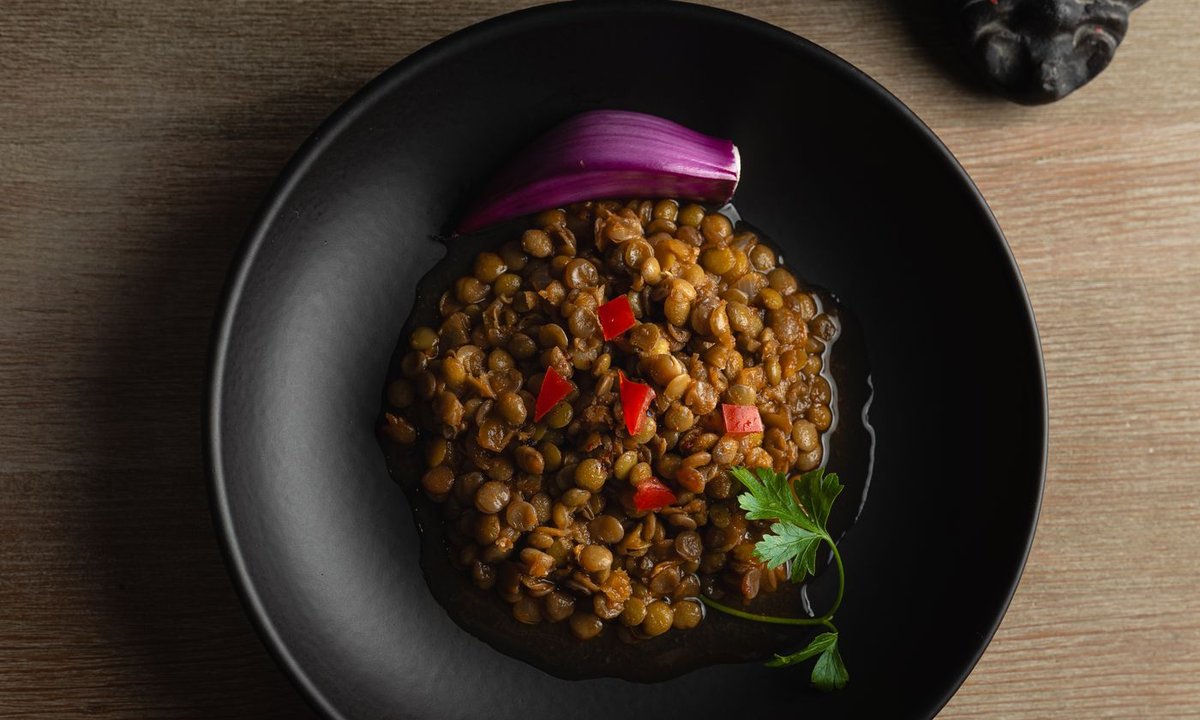
Use lentils for their earthy flavor, soft texture, and ability to make a dish more substantial—not as a one-for-one meat substitute. Start with a small scoop in meals you already enjoy, then adjust seasoning and…
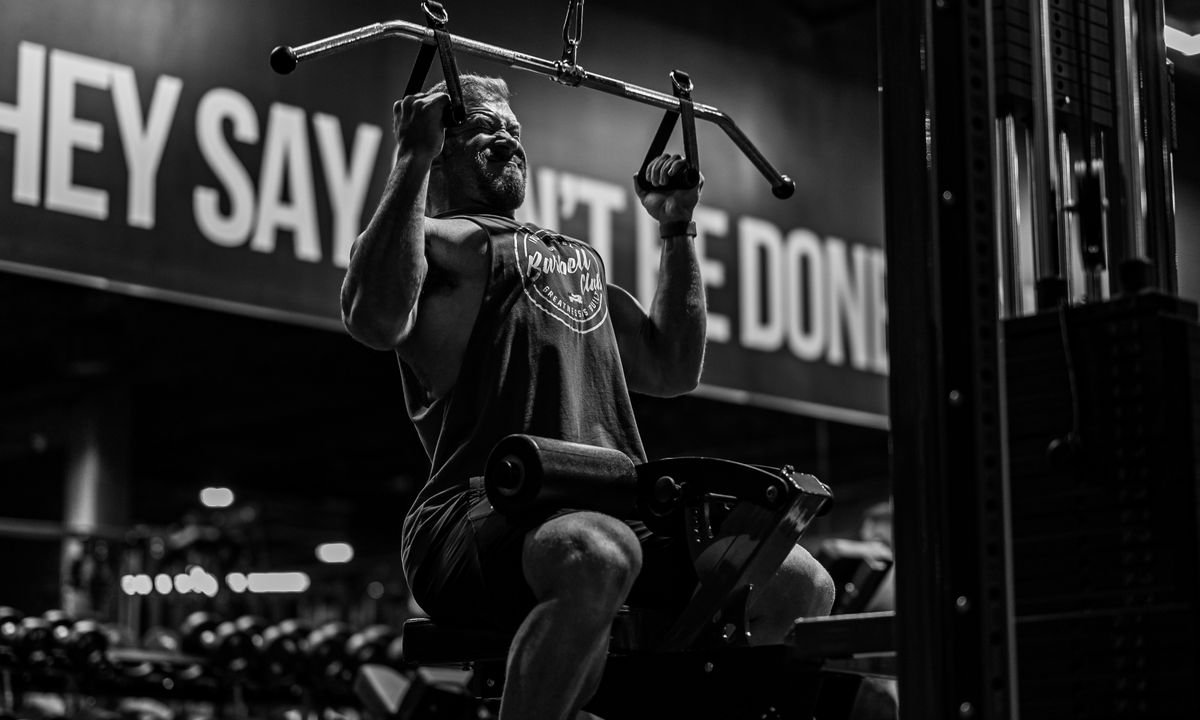
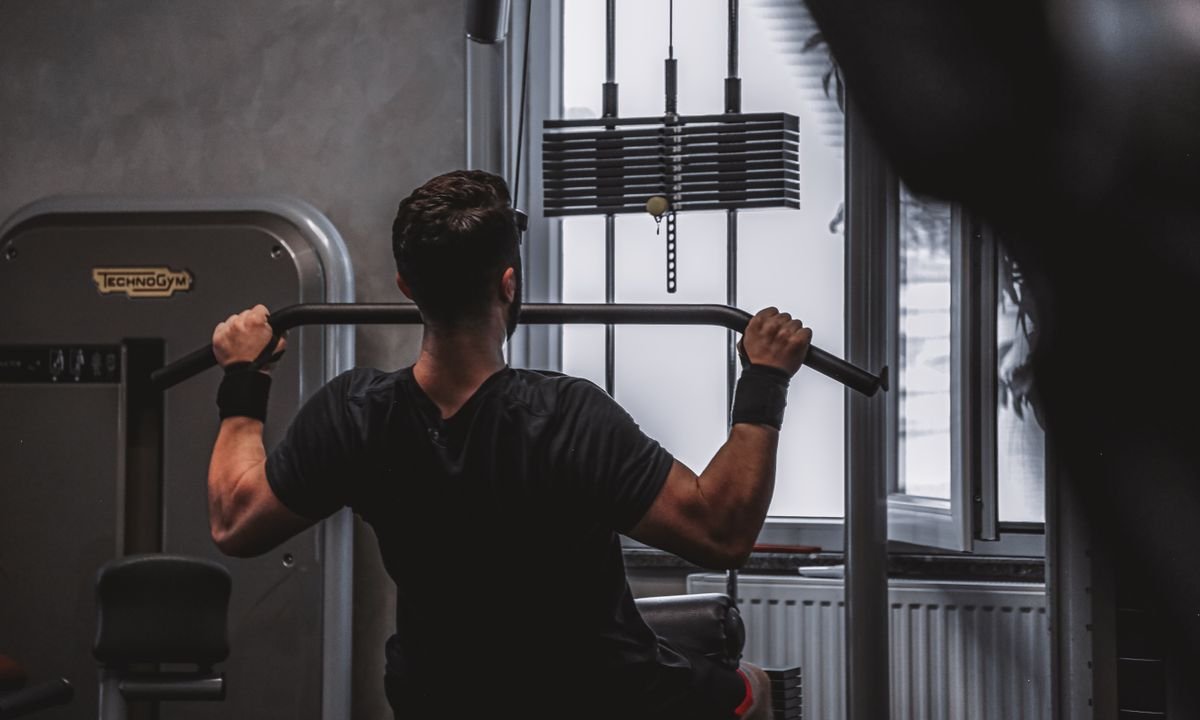
Set the machine so its pads and pivot points line up with your body, then test the movement with a very light load. Seat numbers are only a starting point: comfort, control, and a usable range of motion matter more…
If weekends are your only reliable long training windows, use two focused sessions rather than cramming a full week into one workout. Train different movement patterns on Saturday and Sunday, keep sessions…
Build your back session around one row and one pulldown, then add a second variation only if it serves a clear purpose. Choose manageable sets and reps, keep your technique repeatable, and progress gradually rather…
Build lunch around a satisfying protein source, a generous carbohydrate, and produce, then leave time to digest before your workout. Adjust portion size and food choices to how soon you’ll exercise and what feels…
Build a short core session by choosing a few simple movements that challenge different directions, then use controlled reps or brief holds you can repeat with good form. Here’s a practical 10-minute example using a…
Choose a protein-rich vegetarian ingredient for each meal, prep a few flexible components, and build satisfying portions around them. This example day is a practical template for generally healthy adults—not an…
Celebrate the actions that help you keep moving—not just a number on the scale. Track attendance, effort, skills, and how training fits into your life, then choose rewards that make consistency feel worthwhile.
A clear, kind message can end a regular workout arrangement without blaming your partner or leaving plans ambiguous. Say what is changing, define whether you want to stay in touch, and give any shared logistics a…