Quick answers / 3 min read
How to Adjust a Machine Seat Before Your First Set
Set the machine so its pads and pivot points line up with your body, then test the movement with a very light load. Seat numbers are only a starting point: comfort, control, and a usable range of motion matter more…
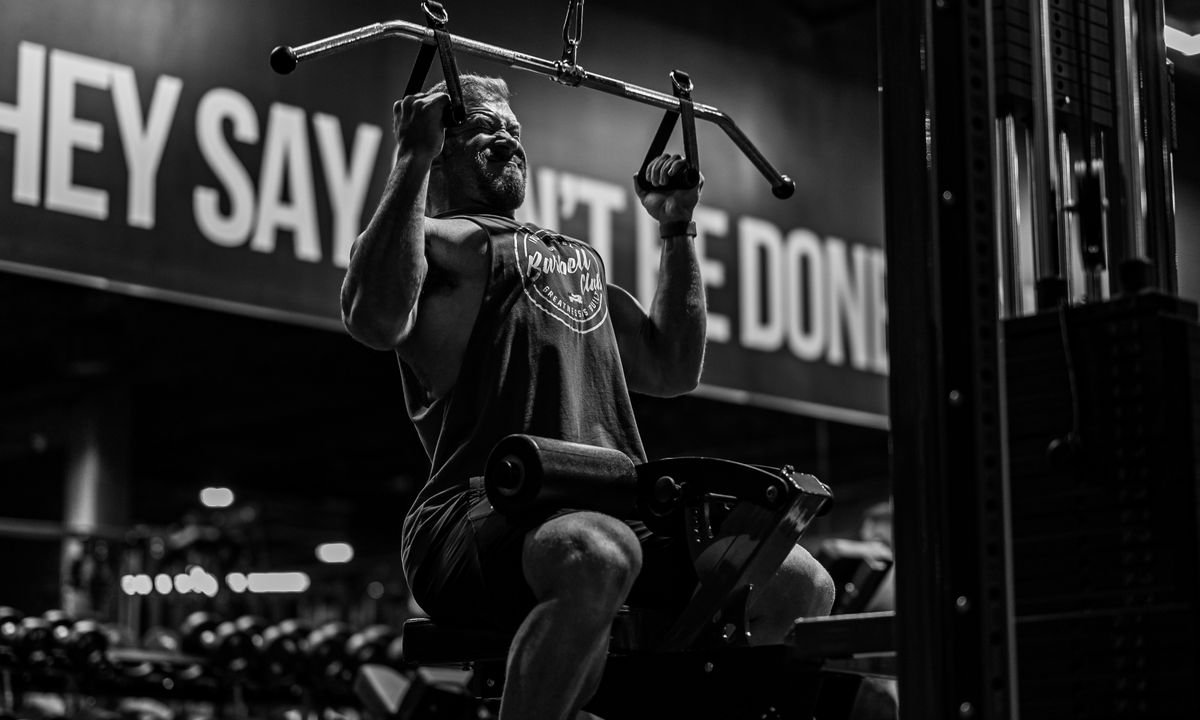
Before your first set, adjust the seat so you can reach the machine’s handles or pads without stretching or cramping, and so its moving parts follow your joints comfortably. Start with a light load and do a few controlled practice repetitions. If you feel pinching, slipping, or need to shift your body to finish the movement, stop and readjust rather than pushing through.
A quick setup checklist
- Find the seat and pad controls. Look for a numbered lever, pin, or adjustment handle. If the setting isn’t clear, check the machine’s diagram or ask gym staff rather than guessing at a mechanism.
- Set your body against the support. On a seated machine, sit back with your hips and back supported where the design intends. Keep your feet planted if the machine allows it.
- Line up the movement. If the machine has a visible pivot—the point its arm rotates around—position yourself so your matching joint is approximately in line with it. This is a practical setup cue, not a guarantee of perfect alignment. Research on a leg-extension machine has examined how seatback angle affects muscle activity, illustrating that setup can change how an exercise is performed; it does not establish one universal setting for every person or machine. PubMed study of leg-extension seatback angle
- Check the contact point. A pad should rest on the area the machine is designed to contact, not press sharply into a joint. For example, on a leg-extension machine, the lower-leg pad typically contacts the front of the lower leg above the ankle—not the foot or the knee.
- Try the motion lightly. Move through a comfortable range without bouncing, sliding, or arching to reach the handles. Change one setting at a time so you can tell what helped.
Examples: leg extension and chest press
Leg extension: Adjust the backrest so you can sit with your hips supported and knees near the machine’s pivot. Place the roller above your ankles. Try a few slow repetitions with little or no added weight. If the roller digs into your ankle, the knee feels pinched, or your hips lift as you extend, pause and change the setup or ask staff to check it.
Chest press: Adjust the seat so the handles start around mid-chest, rather than near your neck or far below your chest. Sit with your back supported and grip the handles without reaching your shoulders forward. Press and return under control; if you have to shrug or twist to move the handles, reassess the seat height or starting position.
These are practical starting points, not machine-specific rules. Designs differ, and a numbered setting that works for one person may not work for another. If you’re unsure, ask gym staff to show you the adjustment and confirm your position. If discomfort persists after a reasonable adjustment, choose another exercise and seek qualified guidance as appropriate.
If you’re arranging a first gym visit with a friend, a shared machine setup can be an easy reason to pause and help each other check the adjustments. Actively helps adults find nearby workout partners and active friends through shared interests and mutual matching.
Sources & further reading
- The impact of seatback angle on electromyographical activity of the lower back and quadriceps muscles during bilateral knee extensionChecked October 29, 2026
Prepared with AI assistance by Actively Editorial. Read our sourcing and corrections policy. General educational information; individual needs vary.