For most healthy adults doing resistance training, a rest day is not a reason to deliberately cut protein. Muscle recovery continues between workouts, so keeping your usual daily target is a practical approach; the…
For a midday workout, choose a familiar snack that fits the time you have: a small, easy-to-digest carbohydrate option shortly before exercise, or a more filling snack an hour or two beforehand. The portions below…
Build a flexible lunch from five parts: protein, grains or another starch, vegetables or fruit, a flavorful sauce, and an easy extra. Mix and match the examples below to make weekday lunches more varied without…
Choose reps based on your main goal, the exercise, and what you can perform with good technique. Five reps suit practicing heavy lifts; ten reps are a practical middle ground for building muscle. Neither number is…
A workout is getting easier when the same task takes less effort—or you can do more with similar effort. Compare like with like: load, pace, route, rest, and conditions. Progress can show up as smoother movement,…
Track the same exercise, load, repetitions, and effort over time. If you can do more reps or lift more weight with similar technique and effort, that’s useful evidence of progress—no all-out single required.
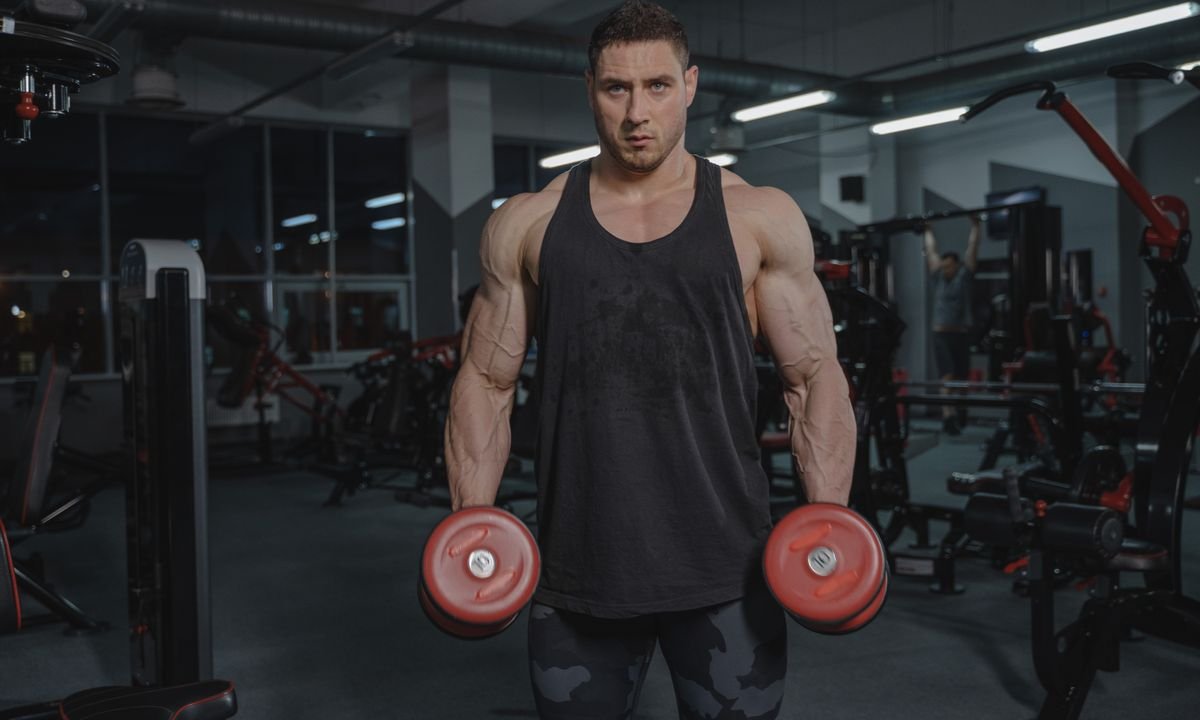
Start lighter than you think you need, then test the load with controlled repetitions. Choose a weight that lets you practice the movement and finish your planned set with a little effort left—not one that forces you…
Caffeine may make an evening workout feel easier, but a late dose can also make it harder to fall asleep or sleep well. The tradeoff depends on the amount, timing, and your sensitivity. If sleep matters more than a…
For most adults, leave about 48 hours between challenging sessions for the same muscles as a practical starting point. You may need longer after a very hard or unfamiliar workout; lighter sessions may call for less.…