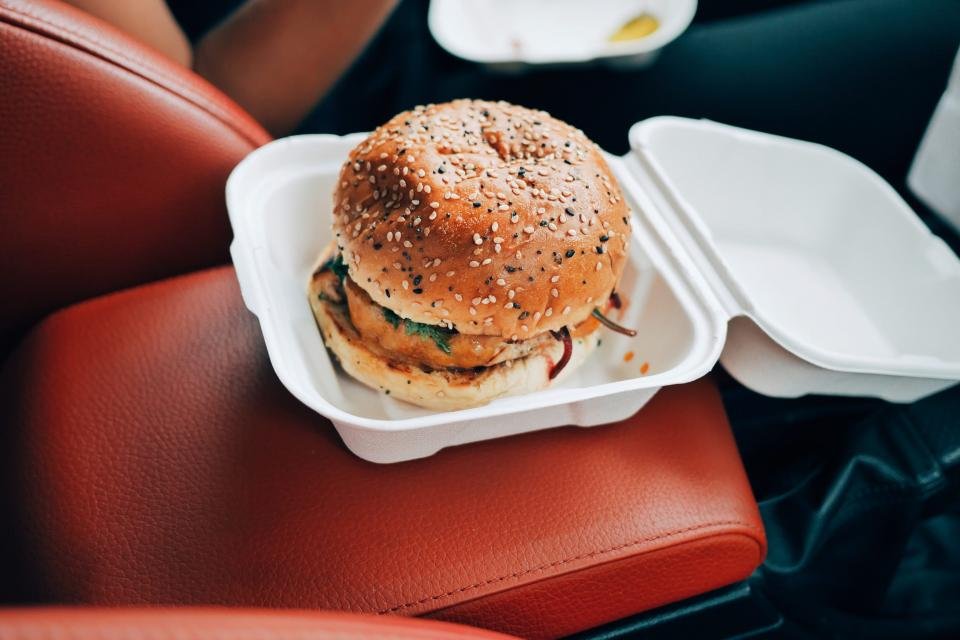
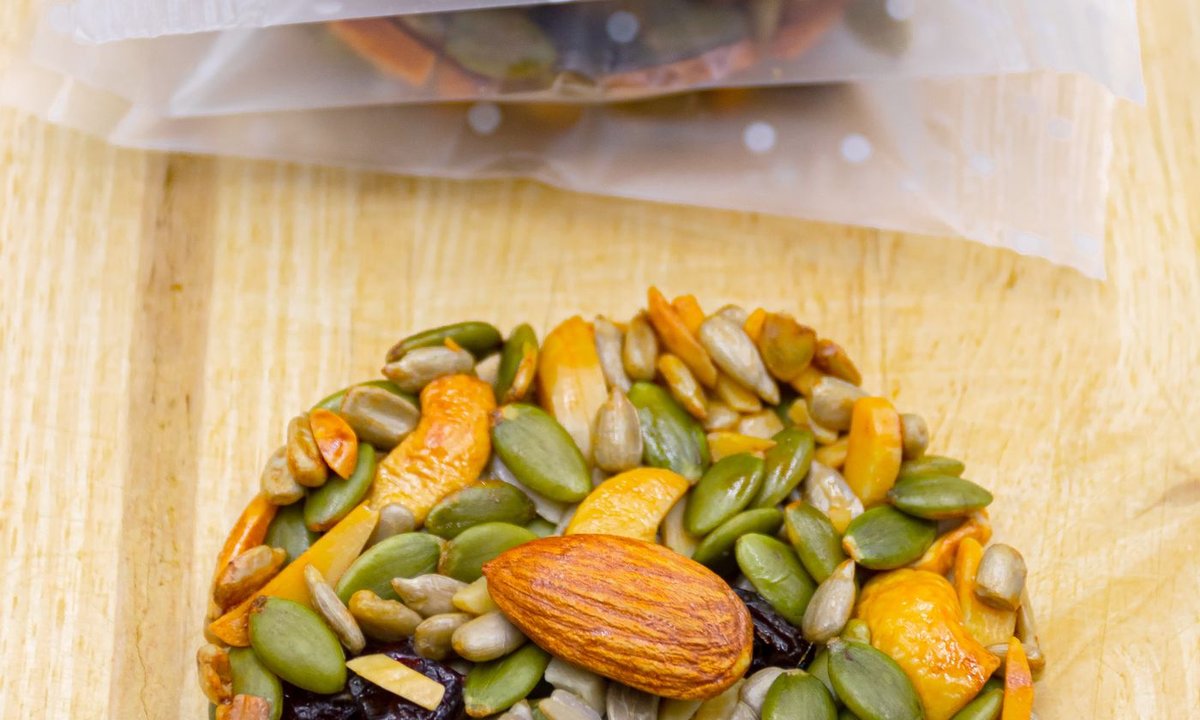
Keep fiber-rich foods in your regular meals, and adjust what you eat shortly before training only if it tends to cause discomfort. A small study of endurance runners found that some avoided high-fiber foods before…
Keep your dance class as the week’s anchor, then place strength sessions where they’re least likely to leave your legs tired for class. Start with one or two manageable workouts, adjust based on how you feel, and…
Build vegetable variety into meals you already eat: add one vegetable to breakfast, pack a crunchy or cooked option at lunch, and rotate dinner sides. Fresh, frozen, and canned vegetables can all work. The portions…
Keep your training recognizable by choosing a primary exercise and a planned substitute for each movement—not by expecting every gym to have identical equipment. Match the movement and setup as closely as practical,…
A treadmill walk can be a simple, adjustable part of an adult’s weekly training. Start with manageable sessions, use the talk test to set effort, and build a schedule that complements—not replaces—your other training.
A short lunch break can still cover a workout day: prepare a meal you can eat quickly, match its size and texture to when you train, and use a simple snack or later meal if lunch has to be split.
Cook a shared set of meal components, but portion them separately at serving time. Keep the meal’s base consistent and use flexible add-ons—such as extra rice, bread, or vegetables—so each person can eat a satisfying…
Pack your lunch in an insulated bag with frozen cold packs, or choose shelf-stable foods and assemble them at lunchtime. Keep perishable foods cold until you eat them: without a reliable cold source, they should not…
Plan a relaxed tennis session around simple rally games rather than keeping score: agree on a short time, warm up together, choose one easy target, and finish while you still want to play again.