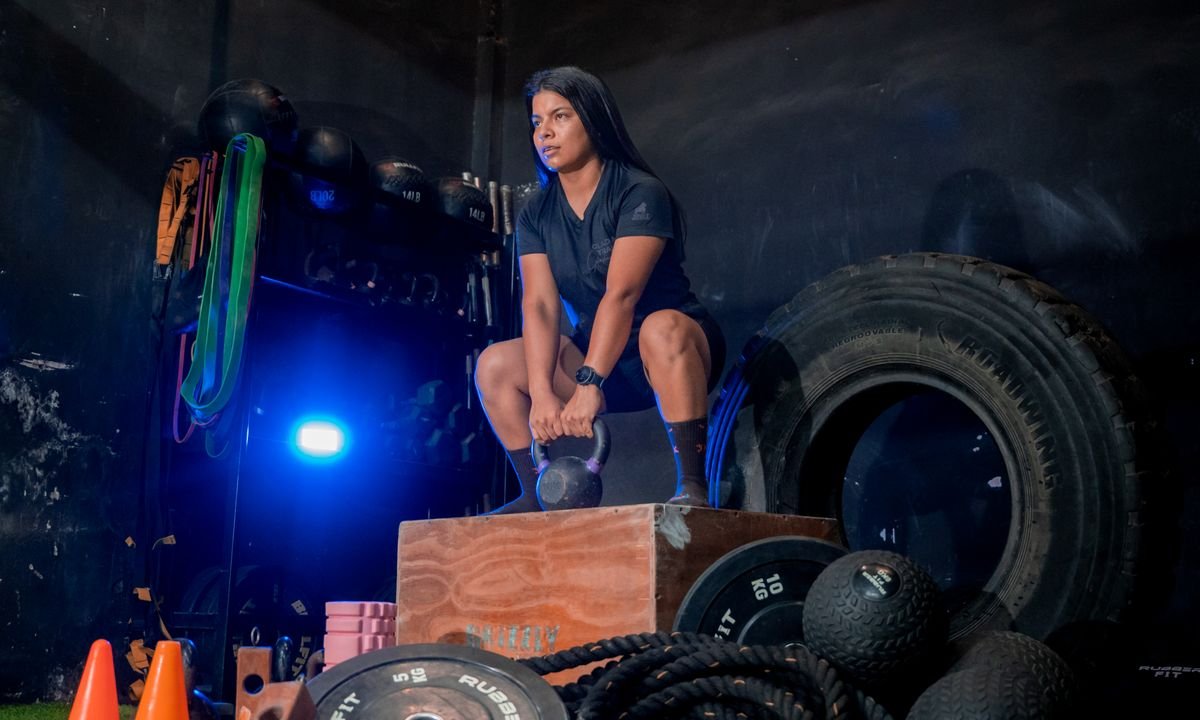
A straightforward kettlebell workout can be a few separate movements—not a fast sequence to memorize. Try a squat, floor press, supported row, and deadlift for two or three rounds, using a weight you can control and…
Record each exercise, the load, and repetitions for every set. Keep units and exercise setup consistent, then review your last session before deciding whether to repeat or adjust the workout. A brief, legible log—on…
A two-day split can make both weekly gym visits feel distinct without assigning one day to upper body and the other to lower body. Use two different full-body sessions, each with a different mix of movement patterns,…
A short weekly conversation can help gym partners make plans that fit real schedules, agree on backup options, and support one another without turning exercise into pressure or judgment.
Use three full-body sessions—two at the gym and one at home—so each workout covers the major movement patterns without requiring a gym visit every other day. Space sessions across the week, keep the home session…
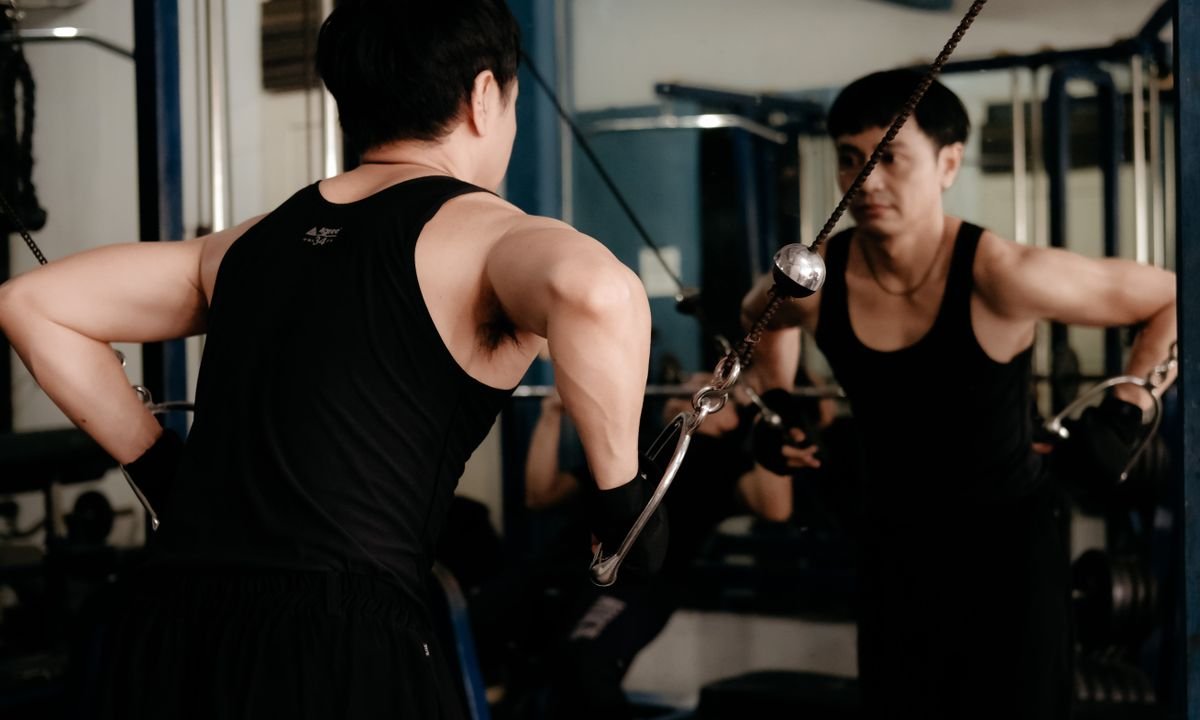
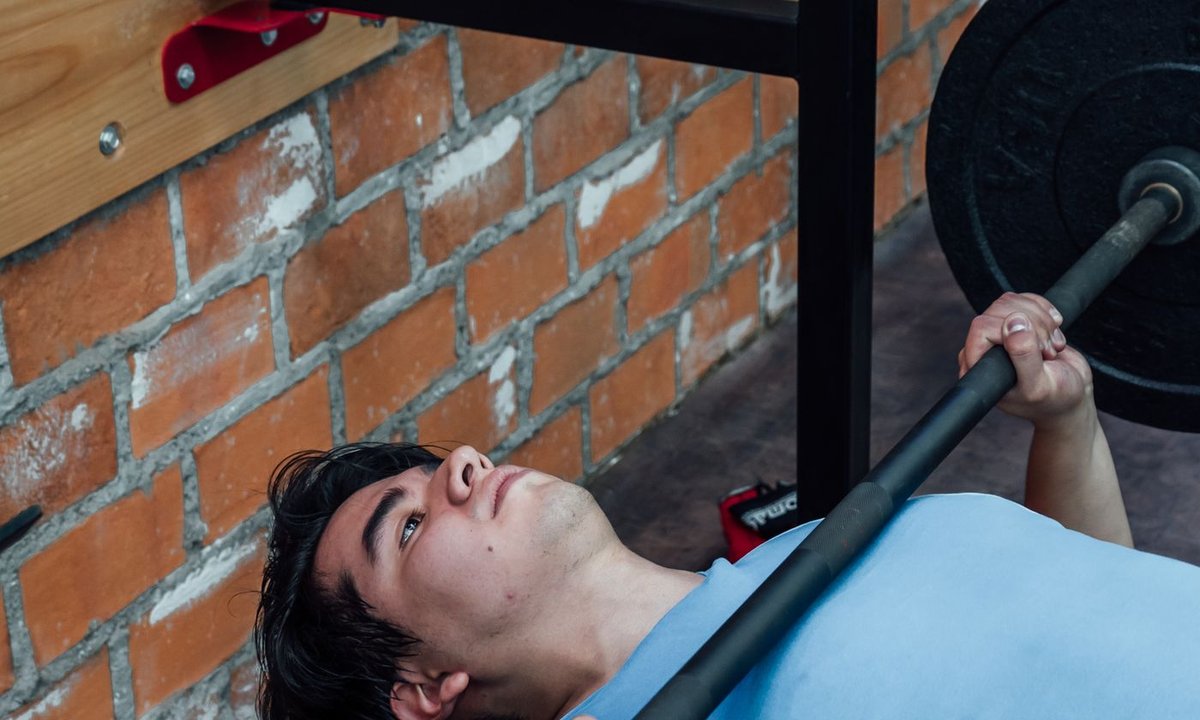
Yes. Alternating exercises for opposing muscle groups—such as a chest press and a row—can cut idle time while keeping both exercises in the workout. They are most useful when you can move between stations smoothly…
Yes. Two weekend gym sessions can form a practical strength routine for adults with busy weekdays. Train your whole body both days, choose manageable exercises and avoid trying to cram a week’s worth of hard work…
Yes. Lighter weights can build muscle when your sets are challenging and you do enough quality work. They’re not automatically as effective for every goal, though: heavier weights generally offer a more direct route…
No. Ten thousand steps is a memorable target, not a minimum for worthwhile walking. If you’re currently less active, adding a manageable amount of walking can be a useful start; build toward regular brisk activity if…