Quick answers / 3 min read
Can opposing-muscle supersets save time at the gym?
Yes. Alternating exercises for opposing muscle groups—such as a chest press and a row—can cut idle time while keeping both exercises in the workout. They are most useful when you can move between stations smoothly…
Yes—opposing-muscle supersets can make a workout more time-efficient by letting one muscle group work while another rests. For example, alternate a chest press with a row. Research on paired sets suggests they can reduce session time, but results depend on the exercises, rest periods, and lifter; a superset is a scheduling option, not a requirement to rush.
What counts as an opposing-muscle superset?
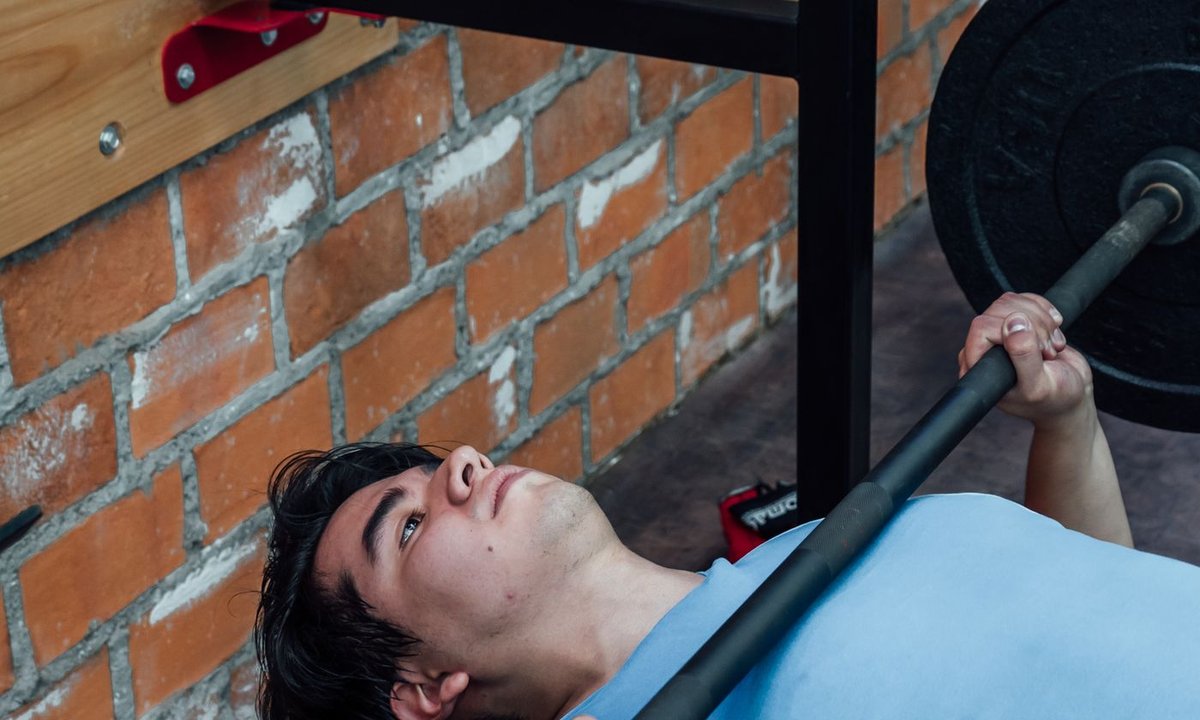
Pair exercises that emphasize opposing actions or muscle groups, then alternate them before returning to the first exercise. A common upper-body pairing is a bench press and a row: press a set, move to the row, then rest as needed before pressing again. Another option is a biceps curl and a triceps pressdown.
This is different from doing two exercises for the same muscle back-to-back, such as two chest exercises. The goal is to use the time spent on one exercise to fit in work for another, rather than leaving a long stretch of idle time between sets.
What research says—and what it does not
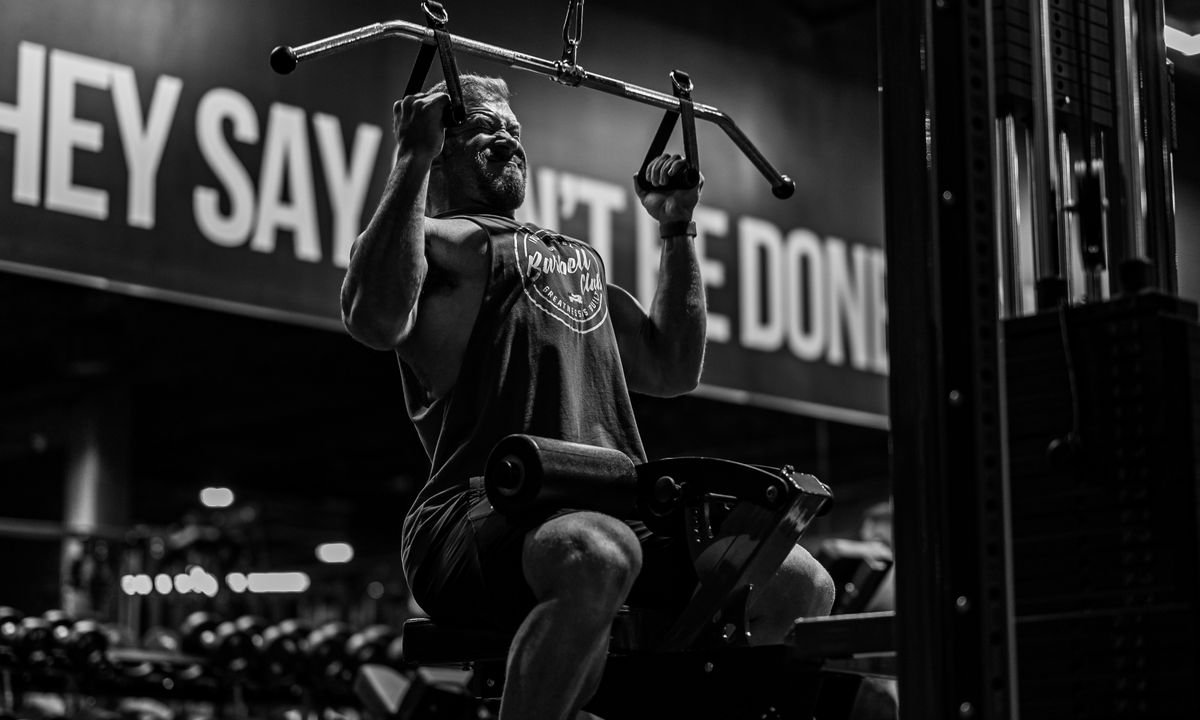
In a study of 18 recreationally trained men, researchers tested paired exercises including bench rows with bench presses and lat pulldowns with overhead presses. The study assessed workout performance and efficiency under different rest intervals; its small, specific sample means it does not establish that every pairing will save the same amount of time for every gym-goer. Study details on PubMed.
A research review comparing superset and traditional set prescriptions found that supersets can improve training efficiency, while noting that results vary across protocols and outcomes. That supports trying them for suitable exercises—not assuming every lift, goal, or busy gym setup is a good fit. Systematic review and meta-analysis on PMC.
A practical way to try them
For a general workout, try this sequence:
| Round | Exercise | Example dose |
|---|---|---|
| A1 | Machine chest press | 8–12 repetitions |
| A2 | Seated cable row | 8–12 repetitions |
| Repeat | Alternate A1 and A2 | 2–3 rounds; rest as needed |
These are practical example ranges, not a research-tested prescription for everyone. Choose loads that let you complete controlled repetitions, and take enough time between rounds to be ready for the next set. If your repetitions, technique, or performance noticeably suffer, add rest or perform the exercises as ordinary sets instead.
Pairings work best when you can use both stations without occupying equipment someone else needs. If the gym is crowded, choose nearby machines or dumbbells, or skip the superset rather than reserving multiple stations. For heavy, technically demanding lifts, keep the setup simple and allow recovery that supports safe, focused repetitions.
Opposing-muscle supersets can save time by reducing idle gaps, especially for compatible upper-body exercises. Try one pairing, note whether the session feels smoother without compromising your sets, and keep it only if it works for your space and training. If you prefer having a workout partner for a session, Actively helps adults find nearby workout partners and active friends.
Sources & further reading
- The Effect of Different Rest Intervals Between Agonist-Antagonist Paired Sets on Training Performance and EfficiencyChecked October 29, 2026
- Superset Versus Traditional Resistance Training Prescriptions: A Systematic Review and Meta-analysis Exploring Acute and Chronic Effects on Mechanical, Metabolic, and Perceptual VariablesChecked October 29, 2026
Prepared with AI assistance by Actively Editorial. Read our sourcing and corrections policy. General educational information; individual needs vary.