Training splits / 3 min read
A Weekly Routine With Two Gym Days and One Home Workout
Use three full-body sessions—two at the gym and one at home—so each workout covers the major movement patterns without requiring a gym visit every other day. Space sessions across the week, keep the home session…

A practical setup is gym Monday, home Wednesday or Thursday, gym Saturday. Make all three sessions full-body: include a squat or lunge, a hip hinge, a push, and a pull. At the gym, use the equipment available; at home, use bodyweight or a backpack if you have no weights. This is a flexible example, not a required split or individualized program.
Example week: two gym sessions and one home session
Choose loads that let you complete each set with controlled form. As a starting point, do 2–3 sets of 8–12 repetitions per exercise; for single-leg movements, that means 8–12 per side. Rest as needed to be ready for the next set.
| Day | Workout | Example exercises |
|---|---|---|
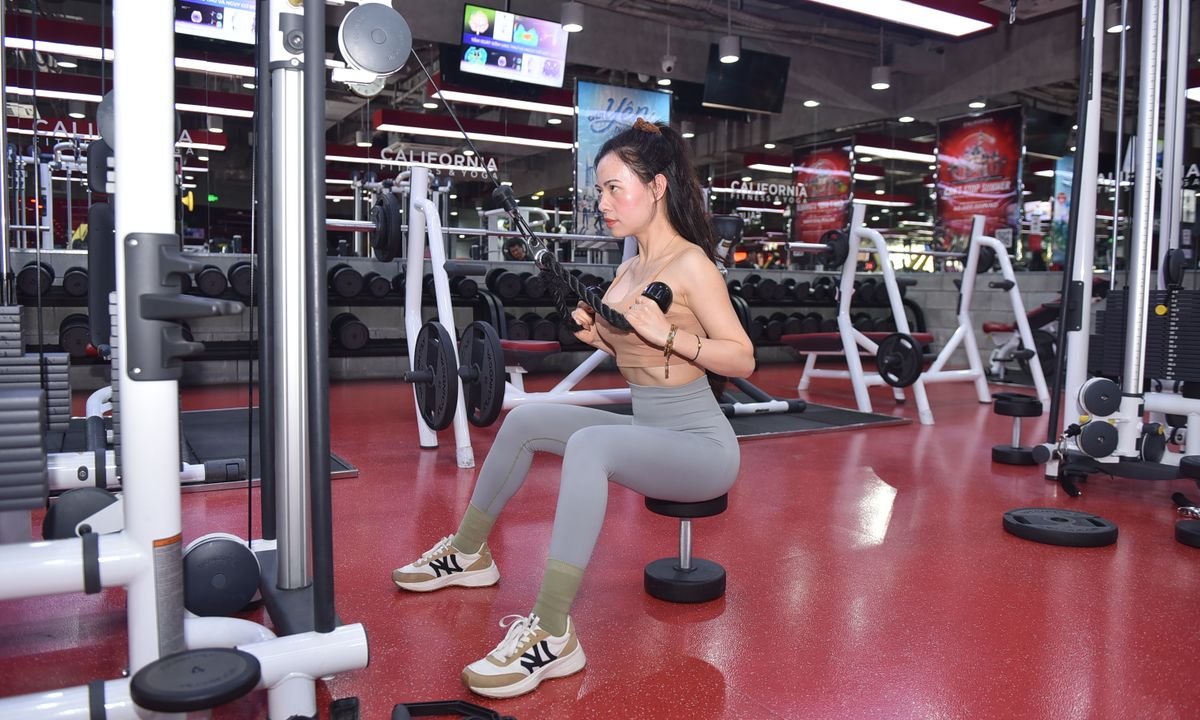
| Monday | Gym A | Leg press, dumbbell bench press, seated cable row, dumbbell Romanian deadlift |
| Wednesday or Thursday | Home | Split squat, push-up (use a wall or sturdy raised surface if needed), backpack row, glute bridge |
| Saturday | Gym B | Goblet squat, lat pulldown, machine chest press, dumbbell hip hinge |
For each session, perform the exercises listed for that day, doing 2–3 sets of each exercise. If a movement is unfamiliar, use a comfortable range of motion and a light resistance while you learn it. The gym sessions don’t need to be completely different: repeating a few exercises makes it easier to compare your repetitions and loads from week to week.
How to make the home workout count
Treat the home session as a real strength workout, not a punishment or a test. If bodyweight squats become easy, hold a backpack close to your chest; if push-ups are too difficult, raise your hands on a stable counter. For rows, use a resistance band or a securely loaded backpack, and keep the movement controlled. Don’t use furniture that can slide or tip.
When you can complete the top end of your chosen repetition range with steady technique, make one modest change next time: add a little load, do another repetition, or choose a slightly harder variation. Write down the exercise, resistance, and repetitions in any notes app or on paper. That’s a practical tracking suggestion, not a claim that a particular progression is necessary.
Scheduling, recovery, and expectations
Leave at least a day between sessions when your schedule allows. If you miss a day, continue with the next planned session rather than squeezing two workouts together to “catch up.” The three strength sessions can fit around work and family commitments, but they don’t automatically meet every activity guideline: U.S. adults are also advised to get at least 150 minutes of moderate-intensity aerobic activity each week, alongside muscle-strengthening activity on at least 2 days. Walking or cycling on other days can help build toward that aerobic target. (CDC adult activity guidance)
Research comparing split and full-body routines suggests that, when weekly training volume is matched, either format can work; the practical choice is the one you can follow consistently. (Training study on PubMed) If you’d enjoy having company for a gym day or a walk, Actively can help adults find nearby workout partners and active friends through shared interests and matching; it’s for meeting people, not for workout logging or coaching.
Sources & further reading
- CDC: Adult Activity — An OverviewChecked October 24, 2026
- Split or full-body workout routine: which is best to increase muscle strength and hypertrophy?Checked October 29, 2026
Prepared with AI assistance by Actively Editorial. Read our sourcing and corrections policy. General educational information; individual needs vary.