Meal plans / 3 min read
How to Pack a Gym-Day Lunch When You Do Not Have a Fridge
Pack your lunch in an insulated bag with frozen cold packs, or choose shelf-stable foods and assemble them at lunchtime. Keep perishable foods cold until you eat them: without a reliable cold source, they should not…
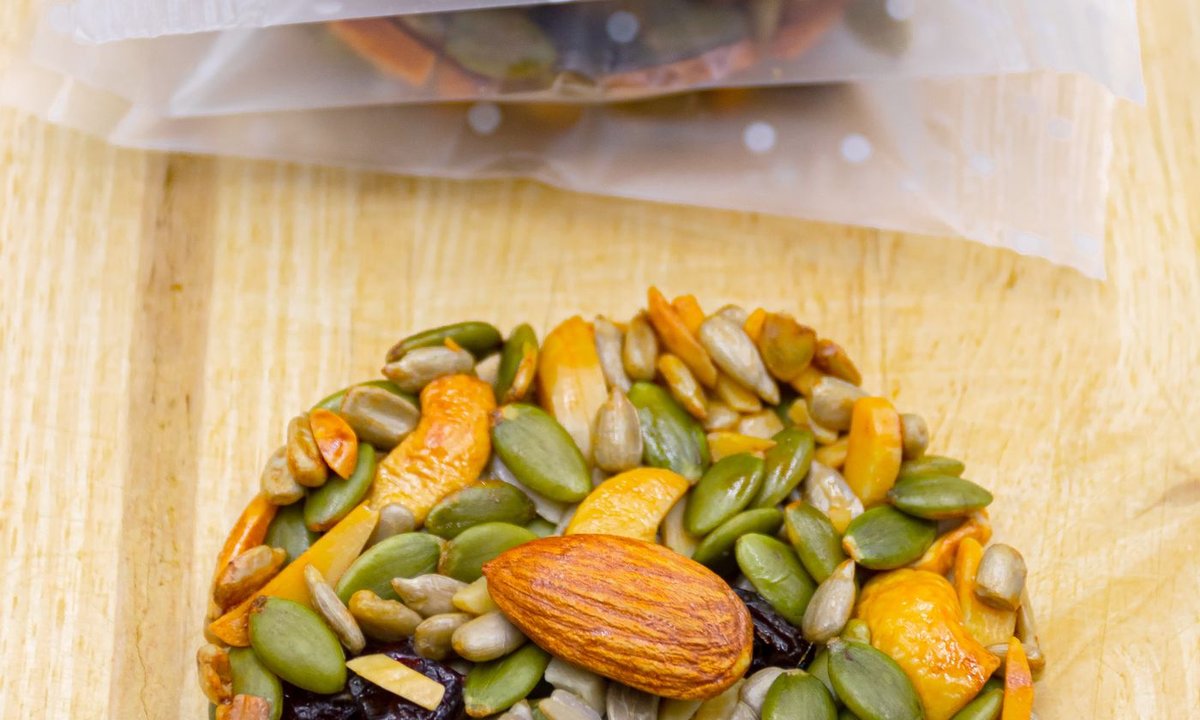
Pack your lunch in an insulated bag with frozen cold packs, or choose shelf-stable foods and assemble them at lunchtime. Keep perishable foods cold until you eat them: without a reliable cold source, they should not sit out for more than 2 hours—or 1 hour above 90°F. A simple lunch can include a grain, a protein, fruit or vegetables, and a drink.
Choose your food around your storage setup
If you can carry an insulated lunch bag and frozen cold packs, pack a meal that would normally need refrigeration, such as a chicken-and-rice bowl or yogurt with fruit. Chill the food before packing, place cold packs around it, and keep the bag out of direct sun and away from a hot car. CDC guidance says perishable food should not remain at room temperature for more than 2 hours, or 1 hour when the temperature is above 90°F. If you cannot keep it cold, choose shelf-stable ingredients instead. CDC food-safety guidance
A “no fridge” lunch does not have to mean a snack-only lunch. The portions below are practical examples for generally healthy adults—not individualized nutrition prescriptions.
| Lunch idea | Example portions | Pack separately |
|---|---|---|
| Tuna-and-cracker kit | 1 unopened tuna pouch, 1 serving whole-grain crackers, 1 apple | Open the tuna at lunch; add a small pack of nuts if desired |
| Bean-and-grain bowl | 1 ready-to-eat shelf-stable grain pouch, 1 unopened single-serving bean pouch, 1 whole fruit | Open both pouches at lunch; add a sealed dressing packet if desired |
| Sunflower-butter sandwich | 2 slices bread, 2 tablespoons sunflower-seed butter, 1 banana | Keep banana whole until eating |
These are mix-and-match ideas, not a prescribed gym diet. CDC’s general healthy-eating guidance encourages variety, including vegetables, fruits, protein foods, and whole grains; use that as a flexible starting point rather than trying to make every lunch perfect. CDC healthy-eating guidance
Pack it so lunch is easy after training
Put utensils, a napkin, and hand wipes in the bag, and keep wet or strongly flavored ingredients separate from crackers or bread until mealtime. Choose pull-tab cans or pouches if you will not have a can opener. If you have access to a microwave, shelf-stable rice or grain pouches can be heated according to their package directions; if you cannot heat them, choose pouches explicitly labeled ready to eat and follow their storage instructions.
If you pack leftovers, cooked meat, dairy, cut fruit, or another perishable item, use a cold source and keep it cold. Don’t rely on smell or appearance to decide whether food left warm is safe. When the day’s schedule means the food may exceed the safe time limit, take an unopened shelf-stable option instead. For adults who want a regular gym meetup alongside the practical planning, Actively is a platonic app for finding workout partners and active friends—not a meal-planning or nutrition-coaching tool.
A quick packing routine
The night before, choose one lunch from the table and check whether any item needs refrigeration. Put perishable food in the refrigerator and freeze your cold packs. In the morning, pack the cold item and cold packs together, or leave perishables behind and take the shelf-stable option. This small decision makes the lunch fit your actual commute and workday instead of hoping a fridge will turn up.
Sources & further reading
- Preventing Food PoisoningChecked October 28, 2026
- Tips for Healthy Eating for a Healthy WeightChecked October 29, 2026
Prepared with AI assistance by Actively Editorial. Read our sourcing and corrections policy. General educational information; individual needs vary.