Meal plans / 3 min read
How to Meal Prep for Two People With Different Appetites
Cook a shared set of meal components, but portion them separately at serving time. Keep the meal’s base consistent and use flexible add-ons—such as extra rice, bread, or vegetables—so each person can eat a satisfying…
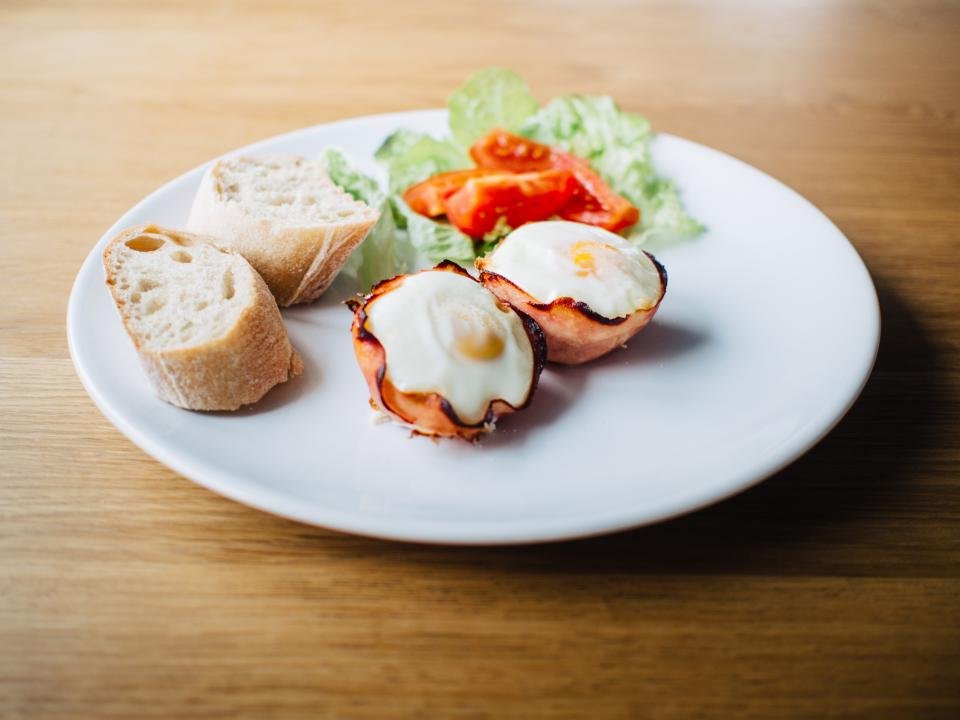
Cook one shared meal, but don’t force it into identical containers. Prep the main components in batches, then give each person a different starting portion and keep extra sides available. This makes meal prep simpler while letting appetite, schedule, and preference guide how much each person eats.
Prep components, not matching containers
Choose a shared base—such as roasted vegetables, rice, and chicken, tofu, or beans—and store components separately. At mealtime, each person can assemble a bowl or plate and add more if still hungry. The CDC describes a plate approach that combines vegetables, protein foods, and carbohydrate foods; use it as a flexible starting point, not a mandatory ratio for every meal. CDC meal-planning guidance is written for people with diabetes, so its specific advice may not suit everyone.
For a generally healthy adult couple, here’s an illustrative prep for two lunches—not individualized nutrition prescriptions:
| Component | Person A: smaller starting portion | Person B: larger starting portion |
|---|---|---|
| Cooked rice | ¾ cup | 1¼ cups |
| Cooked chicken or tofu | About 4 oz | About 5–6 oz |
| Roasted vegetables | 1 cup, plus more if wanted | 1½ cups, plus more if wanted |
| Optional add-on | Fruit or yogurt | Extra rice, pita, or fruit |
These amounts are simply an example. Appetite and needs vary, and either person can adjust the starting portion. Keep a little extra rice, vegetables, or another side in a shared container rather than sealing every serving into a fixed-size meal.
Make the difference easy to manage
- Batch the shared ingredients. Prepare enough of the main dish and sides for the meals you intend to cover.
- Pack components separately. This allows each person to choose a different balance or serving size without changing the recipe.
- Set a starting portion, not a limit. The smaller appetite can begin with less; the larger appetite can take more. Either person can have seconds.
- Use add-ons that fit the meal. Keep quick options on hand, such as extra bread, rice, fruit, yogurt, or leftover vegetables. CDC healthy-eating guidance recommends variety across food groups, including vegetables, fruits, protein foods, and whole grains. CDC healthy-eating guidance
- Review what’s left after a few meals. If one person regularly wants more rice or another side, prep more of that component next time. If food is consistently untouched, scale that component back.
The practical idea is to share the cooking, not necessarily the portion size. If a friend or partner helps you stay consistent with grocery trips or batch-cooking, Actively is a platonic app for finding nearby workout partners and active friends; it doesn’t provide meal plans or nutrition coaching.
For safety, refrigerate perishable prepared food promptly. CDC advises refrigerating it within two hours, or within one hour when temperatures are above 90°F. CDC food-safety guidance
Sources & further reading
- Diabetes Meal Planning | CDCChecked October 29, 2026
- Tips for Healthy Eating for a Healthy Weight | CDCChecked October 29, 2026
- Preventing Food Poisoning | CDCChecked October 29, 2026
Prepared with AI assistance by Actively Editorial. Read our sourcing and corrections policy. General educational information; individual needs vary.