Build your strength schedule around sleep and the shifts you actually work—not fixed weekdays. Use a flexible two-session template, move workouts when shifts change, and scale training to your energy rather than…
A useful workout-partner profile tells people what you like to do, when and where you’re available, what pace or experience level feels comfortable, and what kind of partnership you want. Be specific enough to make…
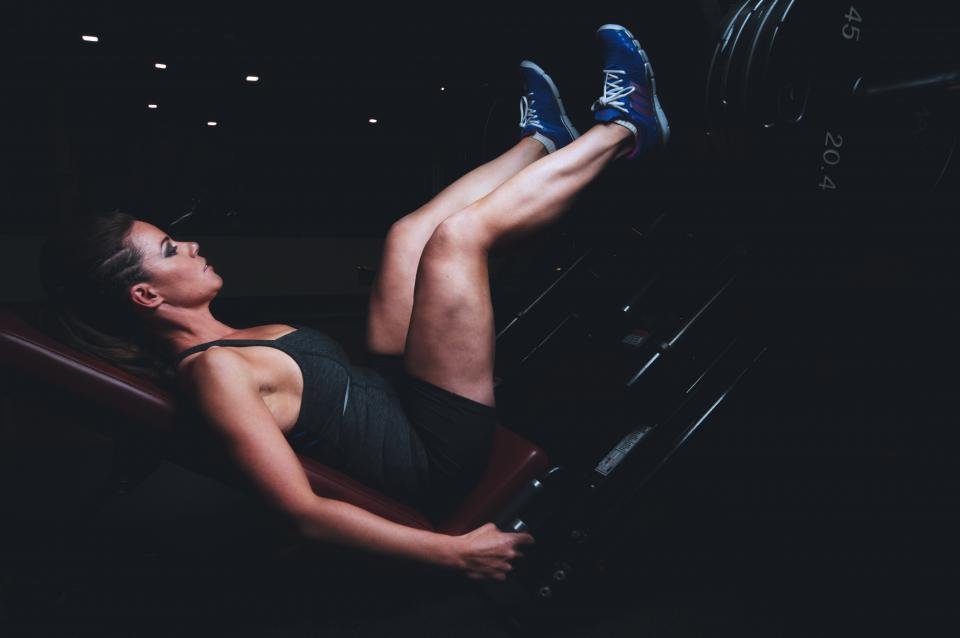
For most beginners, either machines or free weights can work. Start with the option you can set up comfortably and use with controlled technique; combining both is a practical way to learn while keeping workouts simple.
A deload week is a planned, temporary reduction in training stress. It can be useful when fatigue is building, but it is not mandatory on a fixed schedule—and research has not established one best way to deload.
Use a brief, easy general warm-up if you feel cold or stiff, then rehearse your first exercise with progressively heavier, non-fatiguing sets. The goal is to feel ready for your working weight—not tired before you…
The best exercise plan is one that fits your real schedule, feels accessible, and is enjoyable enough to repeat. Choose practical activities first, then build a simple routine around them.
For an early workout, choose food based on the session and how much time you have. A small, familiar carbohydrate snack can suit harder or longer exercise; a short, easy workout may feel fine without food. Keep…
Yes—mainly for which exercises get your best effort. Put the movements or muscle groups you most want to improve earlier, when you are fresher. Research suggests exercise order can affect strength gains in the…