Quick answers / 3 min read
Machines vs. free weights: which should a beginner use?
For most beginners, either machines or free weights can work. Start with the option you can set up comfortably and use with controlled technique; combining both is a practical way to learn while keeping workouts simple.
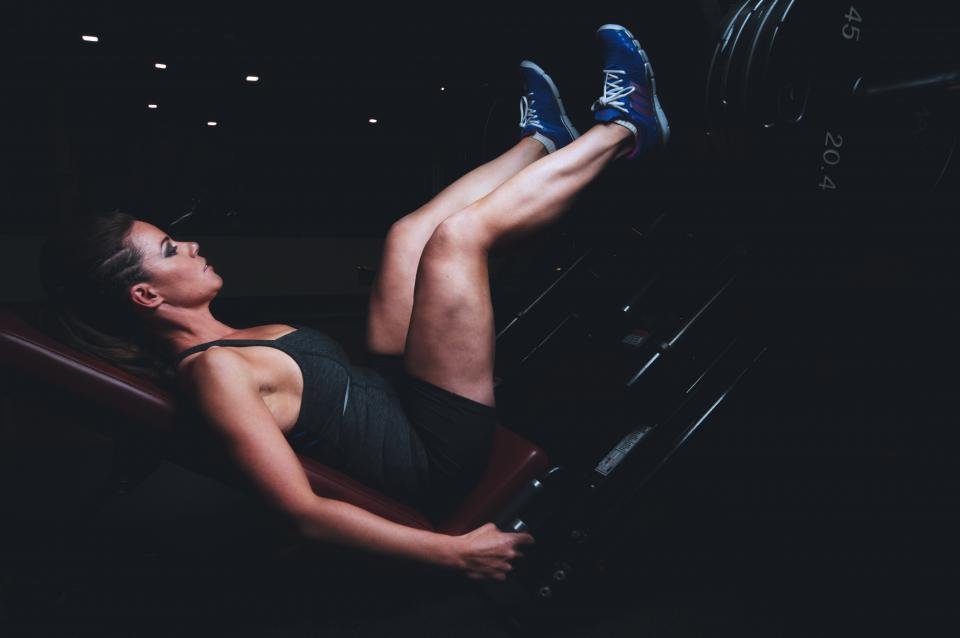
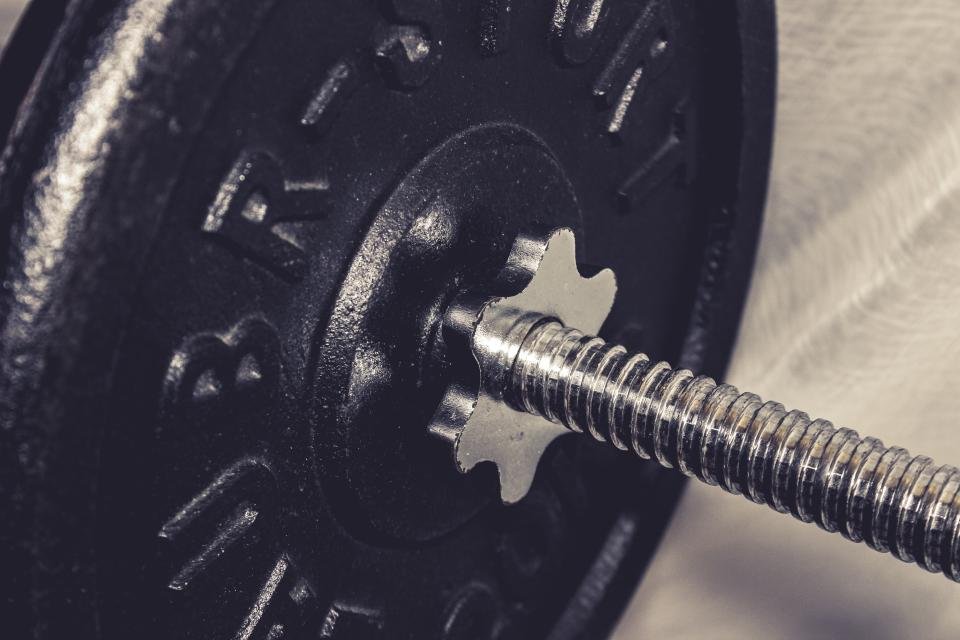
For most beginners, either machines or free weights can work. Start with the option you can set up comfortably and use with controlled technique; combining both is a practical way to learn while keeping workouts simple. Machines guide the movement and make resistance easy to adjust. Dumbbells and barbells allow more freedom of movement and practice handling weights, but may take more time to learn. You don’t have to choose one for every exercise.
What research says about machines and free weights
A randomized 10-week study of novice adult men compared machine-only, free-weight-only, and mixed training. It found broadly similar improvements across the groups in several measures, though some strength results differed by the exercise used for testing. A systematic review and meta-analysis likewise found that strength gains tended to favor the type of equipment used in training and testing; it did not establish one option as universally best for muscle growth or strength. These findings support choosing equipment partly based on your goals, rather than assuming one is automatically superior. Novice-men trial · Systematic review and meta-analysis
A practical way to choose
This is practical guidance, not a research finding: begin with machines if their setup feels clearer and helps you focus on moving smoothly. Try free weights when you want to learn a particular movement, such as a dumbbell row, or when a machine’s path doesn’t feel comfortable. Ask gym staff to show you how to adjust a machine, and start with a light load you can control through the full movement.
| If you want… | A useful starting point |
|---|---|
| A straightforward first session | Seated chest-press and leg-press machines |
| To practice everyday lifting patterns | Light dumbbell squat or hip hinge, with instruction if needed |
| A bit of both | Machine chest press plus dumbbell row and a leg exercise |
Treat these as examples, not a required program. Choose exercises that feel manageable, learn their setup, and increase the load gradually when you can complete repetitions with steady control. If an exercise causes pain, stop and reassess rather than pushing through it.
Make consistency the deciding factor
The best beginner choice is often the one you’ll use regularly. If you enjoy company while getting started, Actively helps adults find nearby workout partners and active friends through activity interests, mutual matching, and chat. It’s a social connection app, not a workout coach or logging tool.
For general health, the CDC recommends adults get muscle-strengthening activity on at least two days each week, working all major muscle groups. The guidance doesn’t require a particular kind of equipment. Pick a manageable approach, then build a repeatable routine around it. CDC adult activity guidance
This is Actively’s own blog. The article offers general fitness education, not individualized training advice.
Sources & further reading
- Using Machines or Free Weights for Resistance Training in Novice Males? A Randomized Parallel TrialChecked October 24, 2026
- Effect of free-weight vs. machine-based strength training on maximal strength, hypertrophy and jump performance – a systematic review and meta-analysisChecked October 24, 2026
- CDC: Adult Activity — An OverviewChecked October 24, 2026
Prepared with AI assistance by Actively Editorial. Read our sourcing and corrections policy. General educational information; individual needs vary.