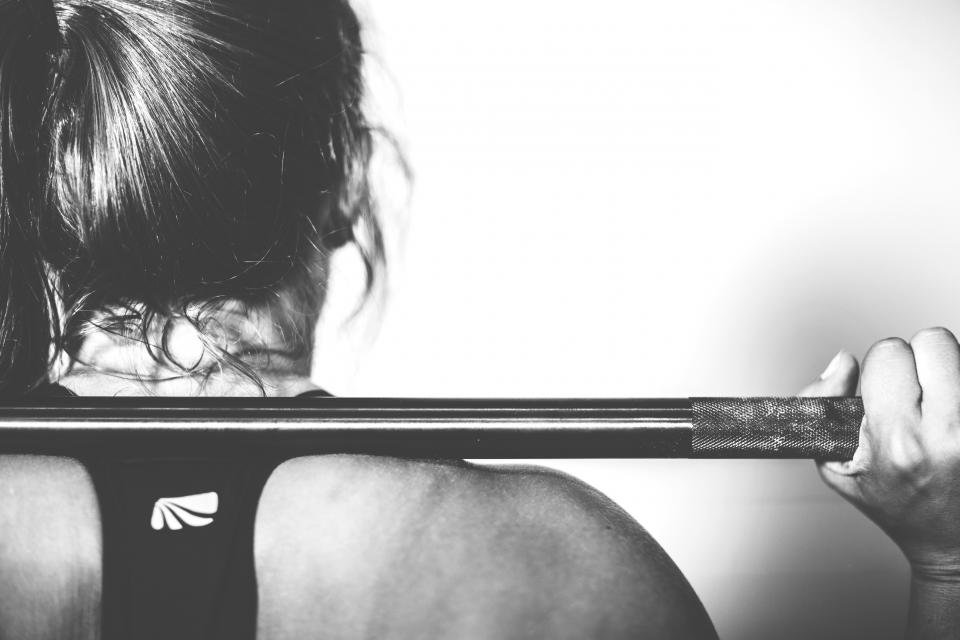
Full range of motion (ROM) means moving a weight through the intended exercise’s broad, controlled movement—from one end of the movement to the other. What counts as “full” depends on the exercise and your…
A five-day push/pull/legs plus upper/lower hybrid can give each major muscle group two training opportunities across the week. Put rest days where they help you recover, keep the upper/lower sessions from simply…
Compare protein foods using the amount you’ll actually eat—not just the grams printed per serving. Check serving size, calculate protein for a consistent portion, then weigh calories, sodium, saturated fat, price and…
Choose the movement first, set a comfortable spending limit, and agree on a free or low-cost plan before anyone books or pays. Clear, no-pressure options help friends stay active together without making budget…
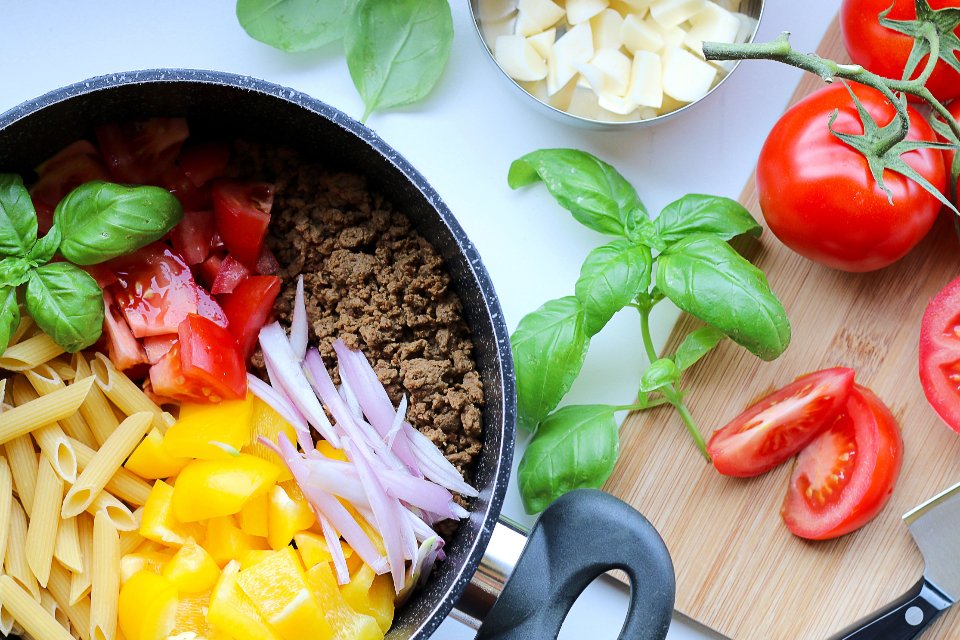
After a workout, choose a meal with a clear protein source, a satisfying carbohydrate, and vegetables or fruit. Let your appetite and the workout guide portion size, and remember that an ordinary meal is usually…
Both schedules can work. A three-day PPL is usually easier to fit around a busy week; six days spreads similar weekly training across shorter sessions. Choose based on the schedule you can sustain, your recovery, and…
Build a useful leg session by covering different movement patterns—not by collecting near-identical squat variations. A squat, a hip hinge, a single-leg exercise, and an optional calf or knee-flexion exercise can…
No. Most healthy adults don’t need to rush for food after a lifting session. If you ate protein in the hours before training, your next regular meal is usually a practical choice. What matters more is getting enough…
Agree on a simple cancellation policy before your first workout: decide how much notice to give, what counts as an emergency, and what happens when one person cancels. Aim for clear communication and flexibility—not…