Nutrition / 3 min read
How to Choose a Balanced Restaurant Meal After Training
After a workout, choose a meal with a clear protein source, a satisfying carbohydrate, and vegetables or fruit. Let your appetite and the workout guide portion size, and remember that an ordinary meal is usually…

Build the meal from three parts
For generally healthy adults after a typical gym session, start with a palm-sized portion of protein, a fist-sized portion of rice, potatoes, bread, pasta, or another carbohydrate, and a serving of vegetables or fruit. These are practical visual guides, not individualized prescriptions. Choose water or another drink that suits your thirst.
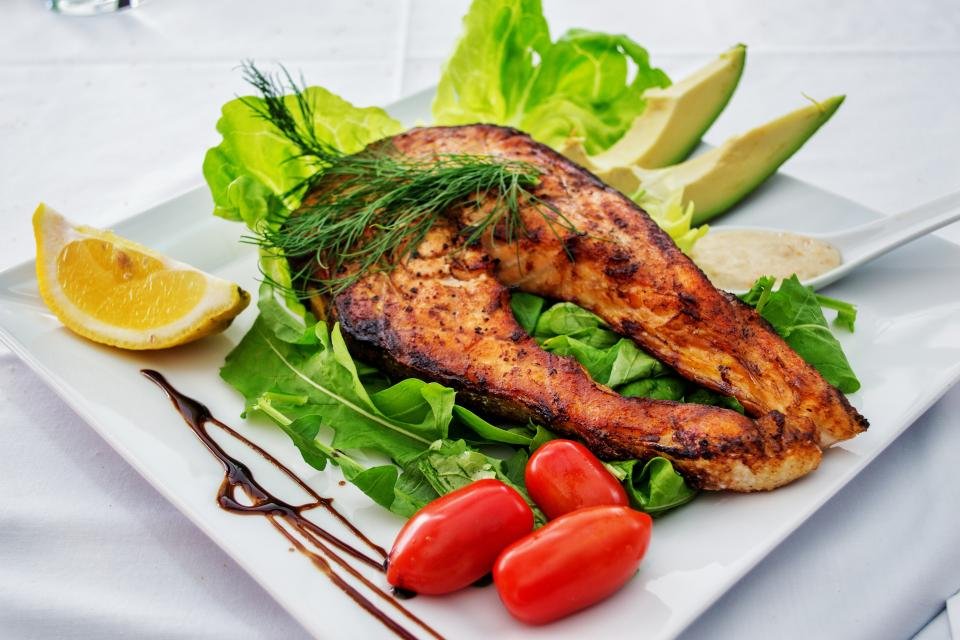
Restaurant menus may call the same idea a grain bowl, burrito, sandwich, stir-fry, or plated entrée. Look for a recognizable protein—such as beans, tofu, eggs, fish, chicken, or lean meat—and a filling carbohydrate. Add produce if it is available and appealing. Sauces and richer sides can fit too; consider asking for sauce on the side if you want more control over how much you use.
Example: a rice bowl with about one palm of chicken or tofu, one fist of rice, and a fist or more of vegetables. This is an adaptable example for generally healthy adults, not a prescribed meal plan.
Match the choice to the workout and your day
After resistance training, including a source of protein is a useful practical choice. A meta-analysis of 49 studies in healthy adults found that protein supplementation modestly augmented gains in muscle mass and strength during prolonged resistance training; it did not test specific restaurant meals. That supports including protein across your diet, not treating one post-workout dish as a magic fix. Morton et al., 2018
After a long or demanding endurance session—or when you will exercise again soon—a carbohydrate-containing side such as rice, potatoes, bread, or fruit may be especially useful. Research reviews describe carbohydrate as a fuel for restoring muscle glycogen, with protein also supporting muscle repair; the urgency depends on exercise demands and recovery time. For a routine workout with no rapid return to training, a normal balanced meal is a reasonable approach. Beelen et al., 2010
Your schedule and appetite matter. If you ate shortly before training and are not hungry, you do not have to force a large meal immediately. If you arrive very hungry, choose a satisfying entrée rather than trying to make the meal as small as possible. This is practical guidance, not a research-tested restaurant formula.
Make ordering easy
| If the menu offers… | A balanced way to order |
|---|---|
| Sandwich or wrap | Pick one with chicken, egg, beans, tofu, or fish; add vegetables and fruit or potatoes if available. |
| Pasta | Add beans, seafood, chicken, or tofu, and choose a side salad or vegetables. |
| Mexican-style plate | Combine beans or meat, rice or tortillas, and vegetables or salsa. |
These combinations are examples, not rules. Preferences, allergies, budget, and what the restaurant serves can all shape the choice. If you often meet friends through exercise, Actively can help you find workout partners and active friends; it is not a meal-planning or nutrition-coaching app.
The practical takeaway: choose a protein, add a carbohydrate that suits your workout, and include produce when it works for you. One restaurant meal does not need to be exact to be balanced.
Sources & further reading
- Morton et al. (2018): Protein supplementation and resistance trainingChecked October 24, 2026
- Beelen et al. (2010): Short-term recovery from prolonged exerciseChecked October 25, 2026
Prepared with AI assistance by Actively Editorial. Read our sourcing and corrections policy. General educational information; individual needs vary.