Everyday fitness / 3 min read
How to Return to Lifting After a Break
Restart with less weight and fewer hard sets than you used before, then build back gradually. Treat your first sessions as practice: use familiar exercises, leave several reps in reserve, and increase the challenge…
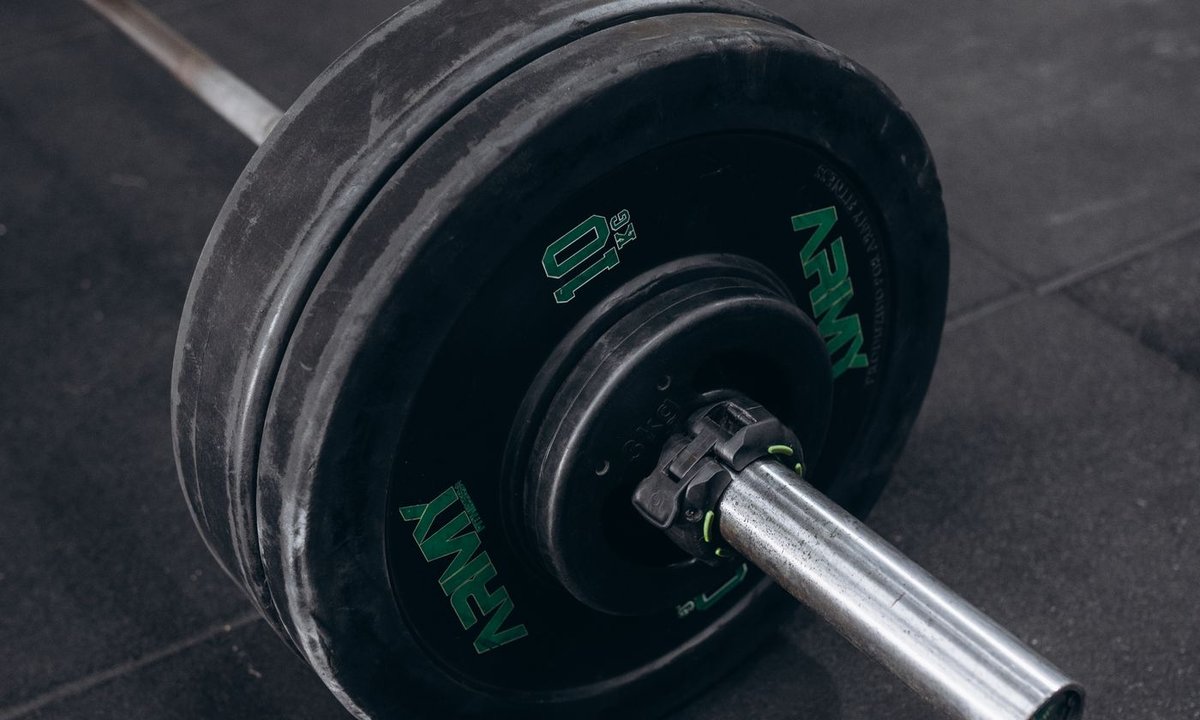
If you’re returning to lifting after a nonmedical break, don’t try to prove you’re still as strong as before in your first workout. Start with familiar exercises, lighter loads, and fewer working sets; finish each set while you could still do a few clean reps. Repeat that manageable workload for a couple of sessions before adding weight or sets. The aim is to rebuild a routine—not make up for missed training.
Make the first two weeks deliberately manageable
As a practical starting point—not a research-prescribed formula—try two sessions in your first week, with at least a day between them. Choose four or five familiar movements that cover the main muscle groups, such as a leg press, chest press, seated row, hip hinge, and shoulder press. Do one or two working sets of each for a comfortable range, such as 6–10 reps. Use a load that lets you stop with about three or four good reps left.
For example, if you previously did three hard sets of 10 on the leg press, try one or two lighter sets of 8 on your first day back. If your reps slow down or your technique changes, end the set rather than forcing the old target. These numbers are a conservative way to scale a session, not a rule that applies to everyone.
What research says: In a study of older men who completed resistance training, then detraining and retraining, some strength and power were lost during the break, while less than eight weeks of retraining restored their post-training one-rep-max strength. That result is specific to the study participants and schedule; it doesn’t predict how quickly every lifter will regain strength. (pubmed.ncbi.nlm.nih.gov)
Build back using your next session as feedback
Keep the exercises and loads steady for the first few sessions. If your technique stays controlled, the work feels manageable, and you’re ready to train again as planned, add a small amount of weight or one set to a few exercises—not both everywhere at once. If you’re unusually worn out or your performance drops, repeat the same workload or scale it down. There’s no need to catch up on missed sessions.
| Session | Practical target |
|---|---|
| First | Familiar movements; light-to-moderate effort; 1–2 sets each |
| Next | Repeat the same plan and notice how it feels |
| Following sessions | Add a little weight or a set when the current plan feels controlled |
The CDC advises adults returning to physical activity to start slowly and work toward more time or challenging activity. That guidance supports a gradual return, though it doesn’t specify a lifting progression. (cdc.gov)
Make showing up easier than going all-out
Set a modest first goal, such as completing two sessions this week, and choose workout times you can repeat. If a training partner would help you follow through, Actively helps adults find nearby workout partners and active friends through shared interests and mutual matching; it isn’t a coach or workout tracker.
Expect the first workouts to feel unfamiliar, even if the exercises are familiar. Let consistent, comfortable sessions—not your old personal records—set the pace for your return.
Sources & further reading
- The effect of resistance training, detraining and retraining on muscle strength and power, myofibre size, satellite cells and myonuclei in older menChecked October 29, 2026
- CDC: Steps for Getting Started With Physical ActivityChecked October 24, 2026
Prepared with AI assistance by Actively Editorial. Read our sourcing and corrections policy. General educational information; individual needs vary.