Everyday fitness / 3 min read
How to Set Up a Gym Bag for Different Training Days
Pack a small, reliable core kit, then add only the gear your session needs. A strength workout, cardio day, swim, or class each calls for different extras; keeping them in separate pouches makes it easier to grab the…
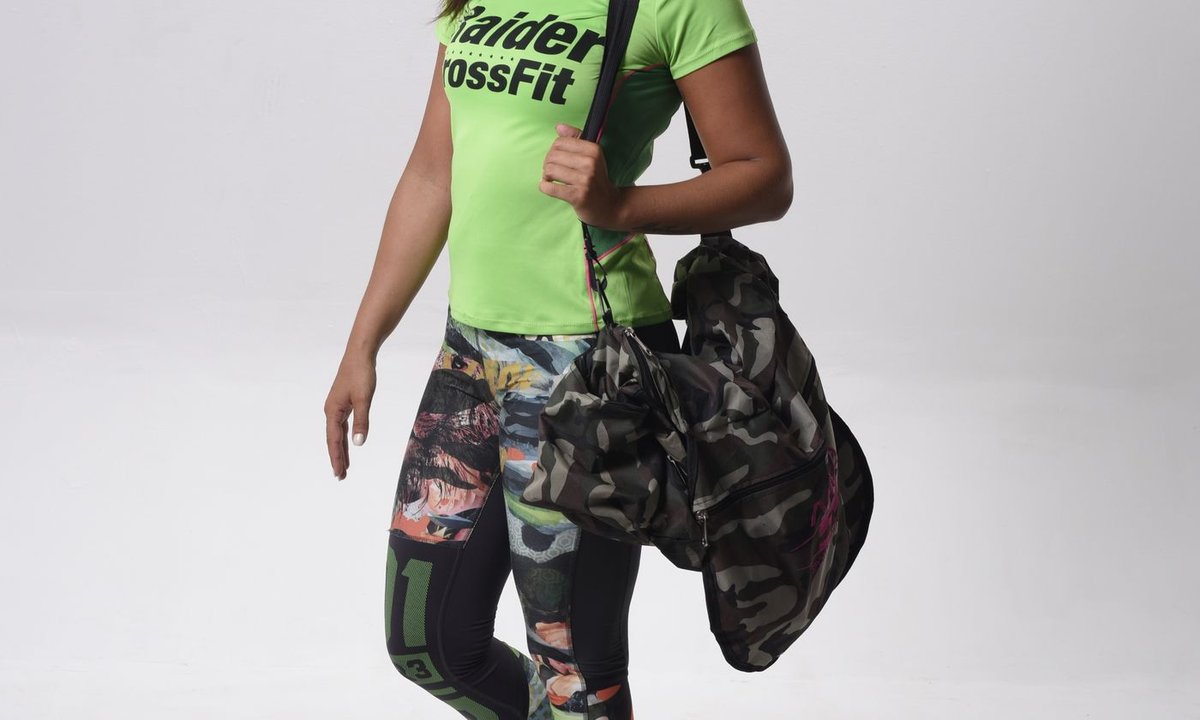
Keep a small core kit in your gym bag, then add only the gear needed for the planned session. Clothing, suitable shoes, water, and locker essentials cover most visits; a swim, outdoor run, or class may need a separate pouch. Check venue rules in advance and separate wet or worn clothing from clean items when you finish.
Start with a core kit
Keep the everyday basics together: comfortable workout clothes, a water bottle, a small towel if your gym requires or provides for one, and a pouch for essentials such as your membership card, phone, and locker key. The CDC recommends comfortable clothing and footwear that feel safe for your activity; treat shoes as session-specific rather than assuming one pair suits every workout. CDC guidance on activity clothing and footwear
Use a ventilated pocket or washable bag for worn clothes, separate from clean gear. Refill the bottle and restock anything you used when you get home. This is practical organization—not a research-backed rule that everyone needs the same kit.
Add gear for the training day
| Training day | Add to the core kit | Leave out unless you’ll use it |
|---|---|---|
| Strength training | Shoes that feel stable for your planned lifts; lifting straps or a belt only if already part of your routine; a written plan or phone note | Multiple accessories “just in case” |
| Cardio or outdoor run | Running shoes, socks, and weather-appropriate layers; for an outdoor session, consider a hat or sunscreen | Heavy lifting accessories |
| Fitness class | Any required class equipment, such as a mat if the studio doesn’t provide one; grip socks if the class requires them | Extra gear the venue supplies |
| Swim | Swimsuit, goggles, shower sandals, and a separate waterproof pouch for wet items | Street shoes in the wet-gear compartment |
These are packing suggestions, not universal requirements. Check the gym or class’s equipment and footwear rules before you go. For outdoor activity, adjust clothing to the weather; the CDC advises loose, lightweight, light-colored clothing when exercising in hot conditions. CDC guidance for activity in hot weather
Make the bag fit your actual schedule
If you go straight from work, pack clean clothes and a spare pair of socks the night before. If you train during a lunch break, keep the kit compact: clothes, shoes, bottle, and whatever the session specifically requires. For a gym session followed by a meetup with a workout partner, leave room for a fresh shirt and put your change of clothes in its own bag. If you’re looking for a platonic workout partner or active friend, Actively can help adults connect around activity interests and availability.
Try a “default bag” plus one small add-on pouch: strength, cardio, class, or swim. Switch the pouch based on the calendar, then check three things at the door: correct shoes, session-specific gear, and water. The aim isn’t to pack for every possibility; it’s to make the planned session easy to start.
Sources & further reading
- CDC: Places to Be Physically ActiveChecked October 29, 2026
- CDC: Heat and AthletesChecked October 29, 2026
Prepared with AI assistance by Actively Editorial. Read our sourcing and corrections policy. General educational information; individual needs vary.