Everyday fitness / 3 min read
A First Group-Hike Checklist for Active Friends
Make a first group hike easier by agreeing on the route, pace, timing, and backup plan before meeting. Choose a trail that fits the least-experienced hiker, pack for the conditions, and keep the group together. A…
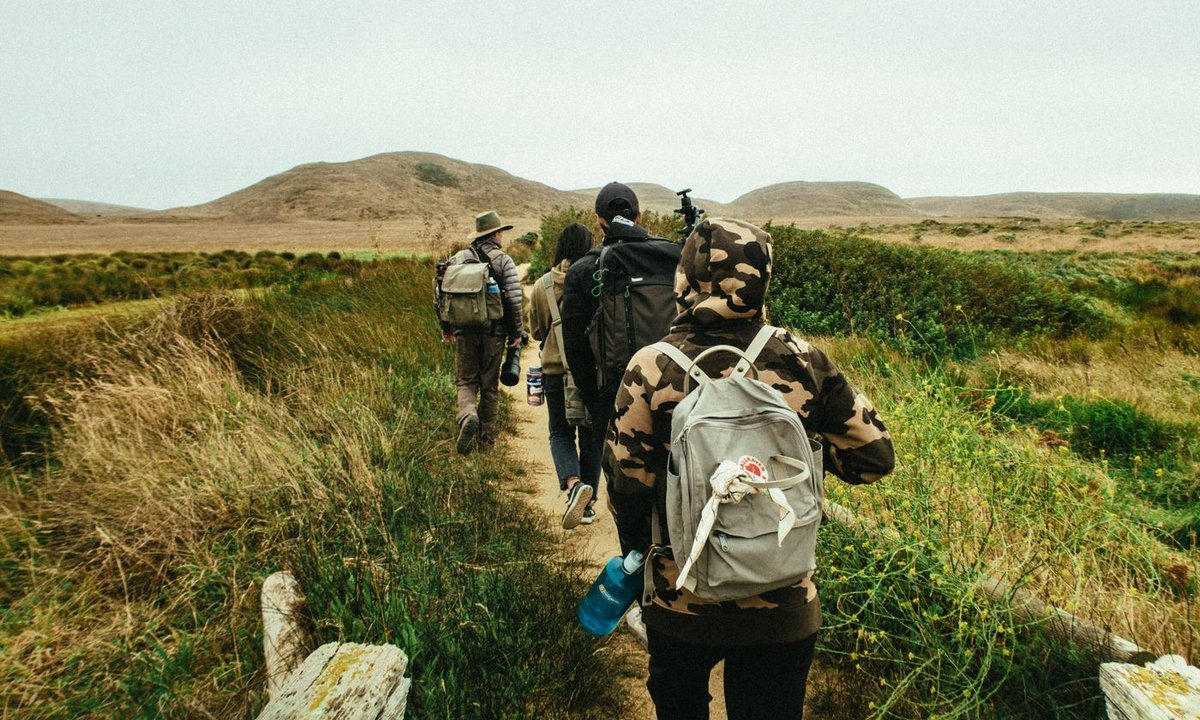
For a first group hike, choose a well-marked route that fits the least-experienced person, then agree on the distance, pace, meeting point, and turnaround time. Check the forecast and trail conditions, tell someone outside the group your plan, and bring water, a snack, layers, and a charged phone. The aim is a shared outing—not proving who can walk fastest.
Before you invite everyone
Pick a trail with clear information about distance, elevation, surface, and expected time. For a first outing, a shorter, well-marked route with a straightforward return is easier to adapt than a remote trail or a route with a steep climb. The CDC’s hiking guidance also recommends starting with a safe, well-marked trail without too many steep climbs. CDC hiking guidance
Ask each person what they’re comfortable with, including how long they’ve walked on trails and whether they have footwear suited to the terrain. Set a pace where people can talk and regroup without anyone feeling pressured to keep up. If friends have different comfort levels, choose a route with a clear early exit or turnaround point rather than splitting up.
You can use Actively to connect with adults nearby who share an interest in hiking or other activities; confirm the specific plan together in chat before heading out.
The practical checklist
| When | Agree on or pack | Why it helps |
|---|---|---|
| Before the day | Trail, route length, pace, meetup spot, return time, and backup plan | Everyone knows what they’re signing up for |
| Before leaving | Weather check, comfortable shoes, layers, water, snack, charged phone | The group is better prepared for the actual conditions |
| At the trailhead | Count everyone, review the route, set regroup points | Nobody has to guess where the group is going |
Bring a map or downloaded route information, water, a snack, a light rain layer, sun protection, and a small first-aid kit. Take extra food and a warm layer if the outing is longer or conditions could change. The CDC hiking guidance lists suitable shoes, layers, a waterproof jacket, water, extra food, a map, and a first-aid kit among practical preparations. Don’t assume a stream or lake is safe to drink from; CDC guidance says water from uncertain sources should be boiled or filtered and disinfected before drinking. CDC: hiking preparation CDC: treating water while hiking
Keep the group comfortable on the trail
At the start, name a leader and a back marker, and agree that nobody walks ahead of the leader or behind the back marker. Pause at planned junctions and regroup if the group stretches out. These are practical group habits, not a substitute for local trail rules or good judgment.
For example, if five friends are trying hiking for the first time, they might pick a two-hour marked loop, meet at the trailhead at 9 a.m., and turn back if the route is muddy or anyone feels uncomfortable. One person downloads the map; everyone brings their own water and snack. Afterward, ask what felt enjoyable and what they’d change next time. That feedback makes the next invitation easier to plan—and keeps a first hike from becoming an accidental endurance test.
Sources & further reading
- CDC: Hiking Activity CardChecked October 29, 2026
- CDC: About Water Treatment Options When Hiking, Camping, or TravelingChecked October 29, 2026
Prepared with AI assistance by Actively Editorial. Read our sourcing and corrections policy. General educational information; individual needs vary.