Nutrition / 3 min read
How to Spread Protein Across Ordinary Meals
A practical guide to sharing protein across breakfast, lunch, dinner, and snacks—without turning meals into a tracking project.
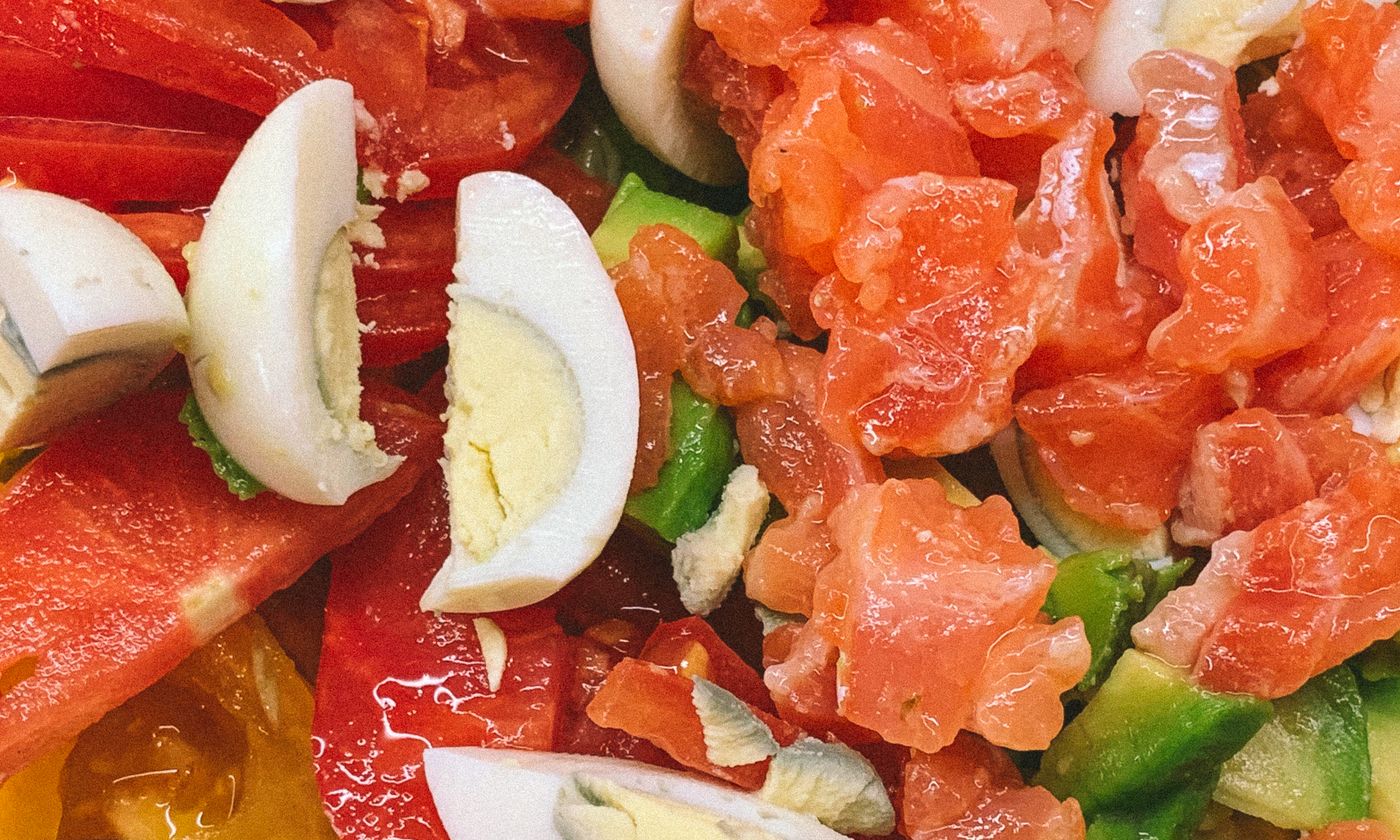
The simplest approach is to include a noticeable protein food at each meal instead of saving most of it for dinner. If you already have a daily protein goal, divide that amount across the meals you normally eat; you do not need special timing or a shake. For generally healthy adults, think of the portions below as flexible examples, not individualized prescriptions.
What research says—and what it doesn’t
In a small study of resistance-trained young men, researchers compared three ways of consuming the same 80 grams of whey protein during the 12 hours after a resistance-training session. The group that had 20 grams every three hours showed a higher muscle-protein-synthesis response over that period than groups having 10 grams more often or 40 grams less often. That was a short-term lab result in a specific group—not proof that everyone needs to eat on a three-hour schedule or that this pattern guarantees greater long-term muscle growth. Read the study.
Practical takeaway: Aim for a protein source at meals you already eat. A roughly similar amount each time is a convenient starting point, especially if breakfast is usually small on protein and dinner carries most of it. You don’t need to make every meal identical.
A flexible day using familiar foods
These are approximate portions and protein amounts; brands, preparation, and food size vary. Mix and match based on preference, appetite, and what’s available.
| Meal | Example portion | Approximate protein |
|---|---|---|
| Breakfast | 2 eggs and ¾ cup Greek yogurt | 25–30 g |
| Lunch | 3–4 oz cooked chicken in a sandwich or salad | 25–30 g |
| Snack, if useful | ¾–1 cup cottage cheese, or a cup of milk with a handful of nuts | 15–25 g |
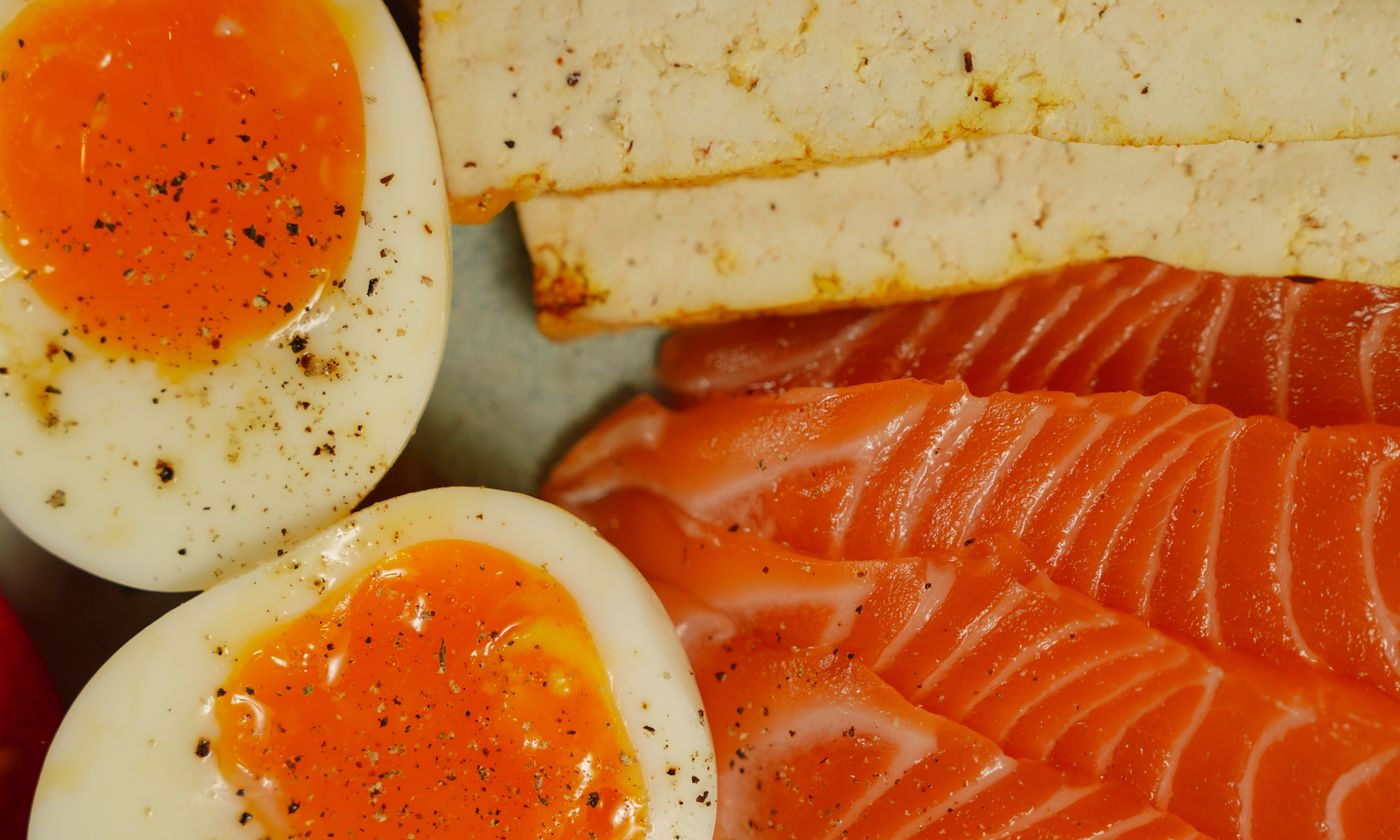
| Dinner | 4 oz cooked salmon, tofu, or lean meat, with usual sides | About 20–30 g, depending on choice |
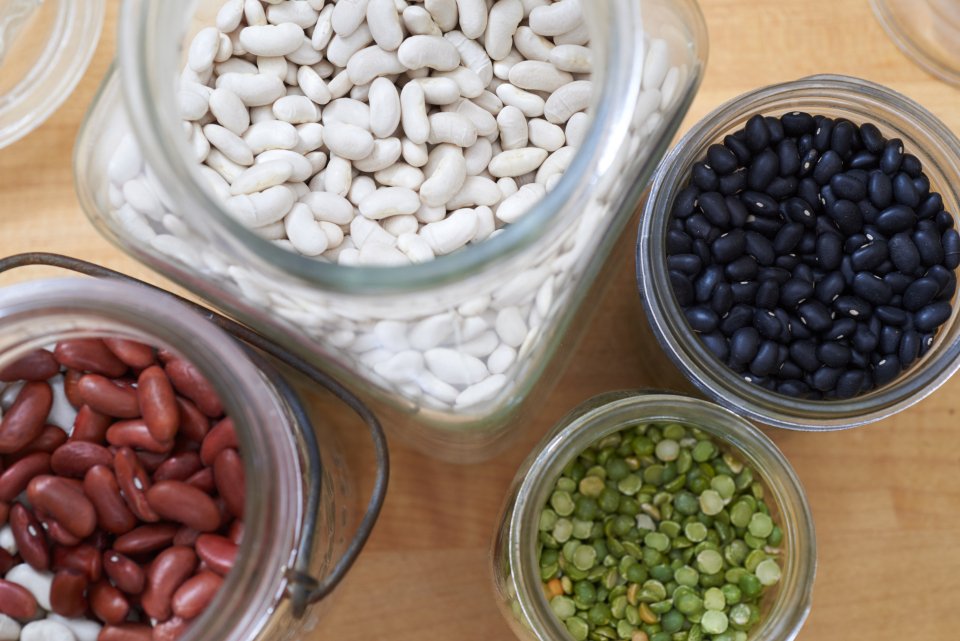
These portions are a menu-planning example for generally healthy adults, not a requirement to eat four times a day. If you prefer three meals, add the snack’s protein to a meal; if you eat smaller meals more often, spread the foods across those occasions. Beans, lentils, tofu, eggs, dairy, fish, meat, and convenient options such as canned tuna can all help. Check labels or a trusted nutrition database if you need a closer estimate.
Make the pattern fit real life
Start with the meal that currently has the least protein. Add one ordinary food—yogurt at breakfast, beans in soup at lunch, or tofu alongside dinner—rather than rebuilding your whole diet. If you miss a meal or have a low-protein day, simply return to your usual pattern at the next meal; there’s no need to “make up” for it with a huge serving.
The best distribution is one you can follow without fuss. If finding people to share an active routine with would make consistency more enjoyable, Actively helps adults connect with nearby workout partners and active friends through interests, mutual matching, and chat. It’s a social connection app—not a nutrition or meal-planning tool.
If you have a medical condition or specific dietary needs, general examples may not fit; ask a qualified health professional for advice tailored to you.
Sources & further reading
- Areta et al. (2013), Timing and distribution of protein ingestion during prolonged recovery from resistance exercise alters myofibrillar protein synthesisChecked October 24, 2026
Prepared with AI assistance by Actively Editorial. Read our sourcing and corrections policy. General educational information; individual needs vary.