Nutrition / 3 min read
Do you need different meals on training and rest days?
Usually, no. Most generally healthy adults can keep a similar eating pattern on training and rest days, while adjusting portions or snacks to match appetite and activity. Consistent meals and adequate protein matter…
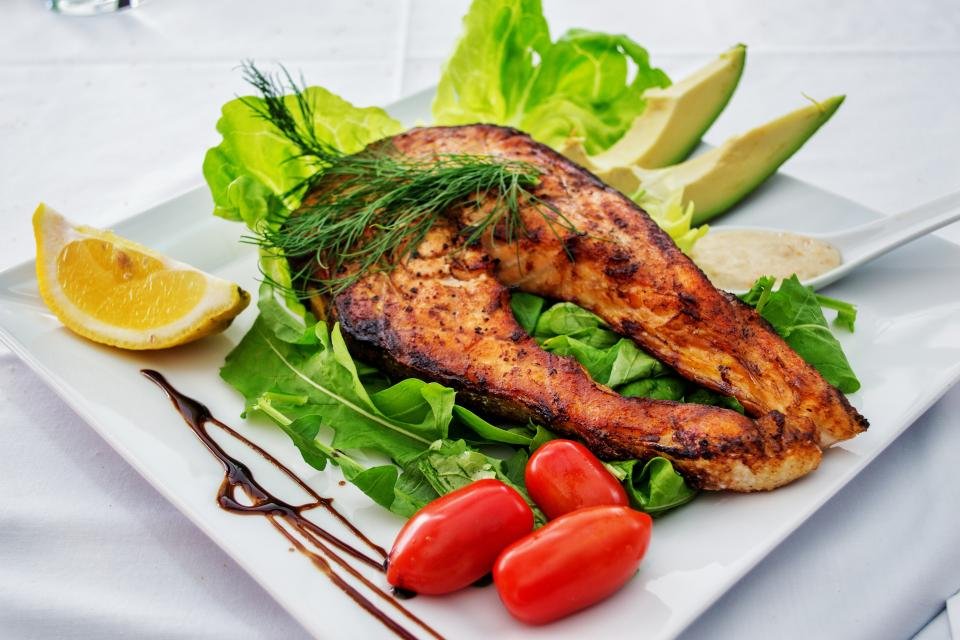
Usually, no. If you’re a generally healthy adult doing recreational exercise, you don’t need a special menu for training days and another for rest days. Keep your usual balanced meals, and adjust portions or add a snack when a longer or harder session leaves you hungrier. The aim is a flexible pattern you can sustain—not perfect day-by-day food matching.
What to keep consistent
For adults who lift weights, a practical starting point is to include a protein-rich food at meals on both training and rest days. A meta-analysis of resistance-training studies in healthy adults found that protein supplementation modestly enhanced gains in strength and fat-free mass; it examined supplementation during training programs, not whether rest-day meals should differ. So it supports paying attention to overall protein intake, but doesn’t prove that a particular training-versus-rest menu is necessary. Morton et al., 2018
Keep familiar foods such as grains or potatoes, vegetables or fruit, and protein foods in your routine. You don’t need to remove carbohydrates on a rest day: rest is part of the training cycle, and your next session may be soon. This is a practical suggestion, not a claim that research has established one ideal menu for every exercise schedule.
What you might adjust
Change the amount or timing of food to fit your training and appetite—not because a calendar says “rest day.” For example, a longer run or demanding gym session may make an extra snack useful; after a short, easy session, your regular meals may be enough. If you’re less hungry on a rest day, a snack may not be needed. Keep normal hydration habits, and let thirst and conditions such as heat guide you rather than forcing a rigid target.
Here’s an illustrative comparison for generally healthy adults, not an individualized prescription. Portions depend on appetite, body size, goals, and session demands.
| Example | Meals and portions |
|---|---|
| Training day | Oatmeal made with ½ cup dry oats and 1 cup milk, plus 1 banana; lunch with 1 cup cooked rice, 1 palm-sized portion of chicken or tofu, and vegetables; if hungry before exercise, 1 piece of fruit; dinner with 1 medium potato, 1 palm-sized portion of fish, beans, or tofu, and vegetables. |
| Rest day | Keep the same breakfast and lunch; have the same style of dinner. Skip the optional fruit snack if you’re not hungry, or keep it if you are. |
The example shows flexibility, not a rule to eat exactly these foods or amounts. Your training-day and rest-day meals can also be identical.
A simple way to decide
Try your usual meals for a couple of weeks. If you’re regularly hungry around workouts, add a convenient snack; if you’re comfortably satisfied on rest days, there’s no need to eat an extra workout snack just to follow a plan. People with medical conditions, pregnancy, a history of disordered eating, or demanding sport-specific needs may benefit from individualized advice from a qualified clinician or dietitian.
If finding workout partners or active friends would help you stay consistent, Actively supports activity interests, mutual matching, and chat. It’s Actively’s own blog, and the app is for connecting with people—not meal plans, nutrition coaching, calorie tracking, or workout logging.
Sources & further reading
- Morton et al. (2018): A systematic review, meta-analysis and meta-regression of the effect of protein supplementation on resistance training-induced gains in muscle mass and strength in healthy adultsChecked October 24, 2026
Prepared with AI assistance by Actively Editorial. Read our sourcing and corrections policy. General educational information; individual needs vary.