Nutrition / 3 min read
Do You Need Protein Powder to Build Muscle?
No. Protein powder is a convenient food supplement, not a requirement for muscle growth. For most adults who lift, the practical priority is getting enough protein across the day from foods, while training…
What matters more than the powder
For adults doing resistance training, research supports paying attention to total daily protein—not whether it comes from a tub or a plate. The International Society of Sports Nutrition describes roughly 1.4–2.0 grams of protein per kilogram of body weight per day as sufficient for most exercising people seeking to build or maintain muscle. That is a broad range, not an individualized prescription. Its position stand reviews the evidence.
A meta-analysis of 49 resistance-training studies in healthy adults found that protein supplementation modestly increased gains in muscle and strength on average. Its analysis also found no further fat-free-mass benefit beyond a total intake of about 1.62 g/kg/day, though the estimated breakpoint had uncertainty. The takeaway isn’t that everyone needs a supplement: adding protein helped in studies, but the supplement was one way to increase total intake. Morton et al., 2018.
Practical suggestion: first look at your usual meals. If you regularly include protein-rich foods and your overall intake is adequate, powder is optional. If you struggle to fit those foods into your day, a shake may be a straightforward backup.
Food versus powder: a practical comparison
| Option | Useful when | Fair limitation |
|---|---|---|
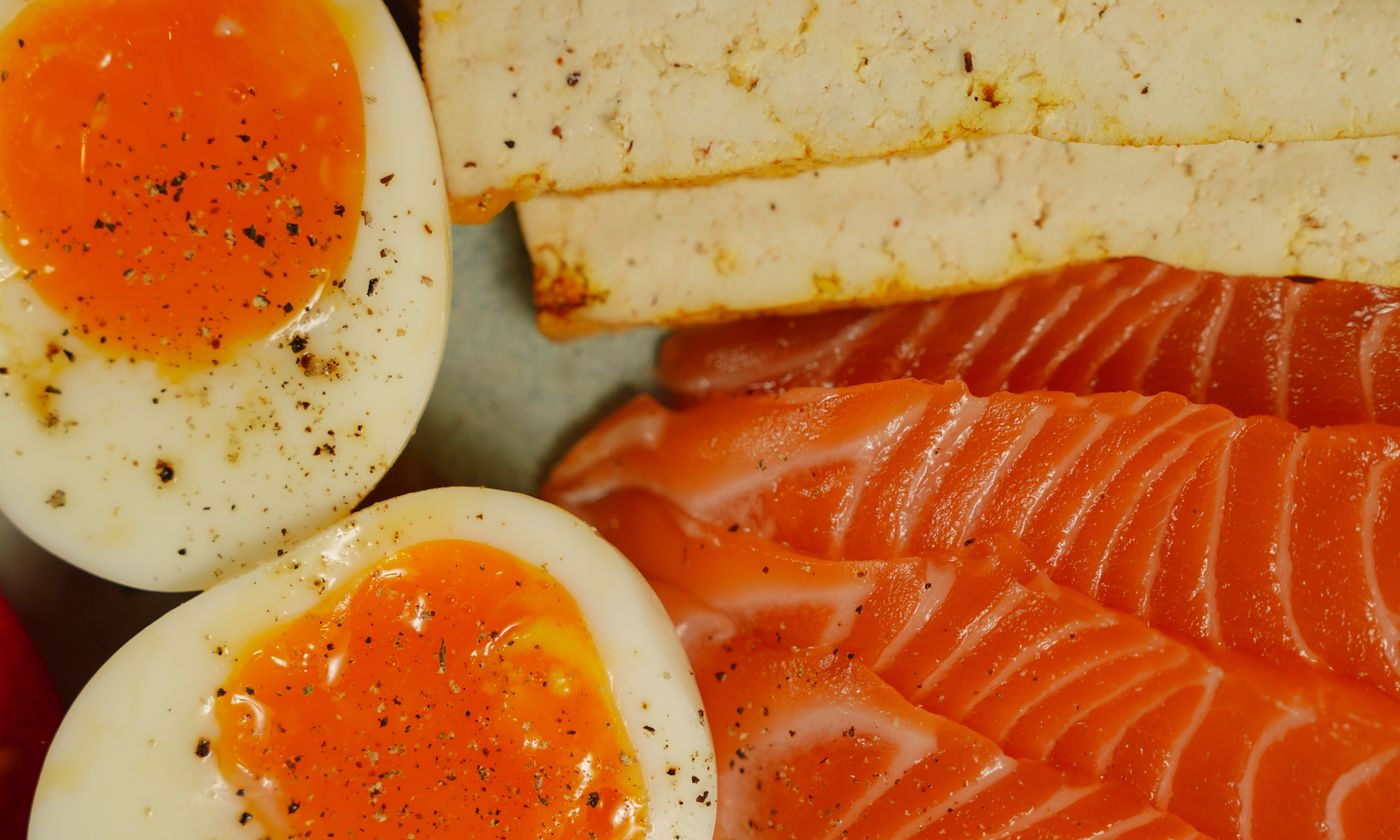
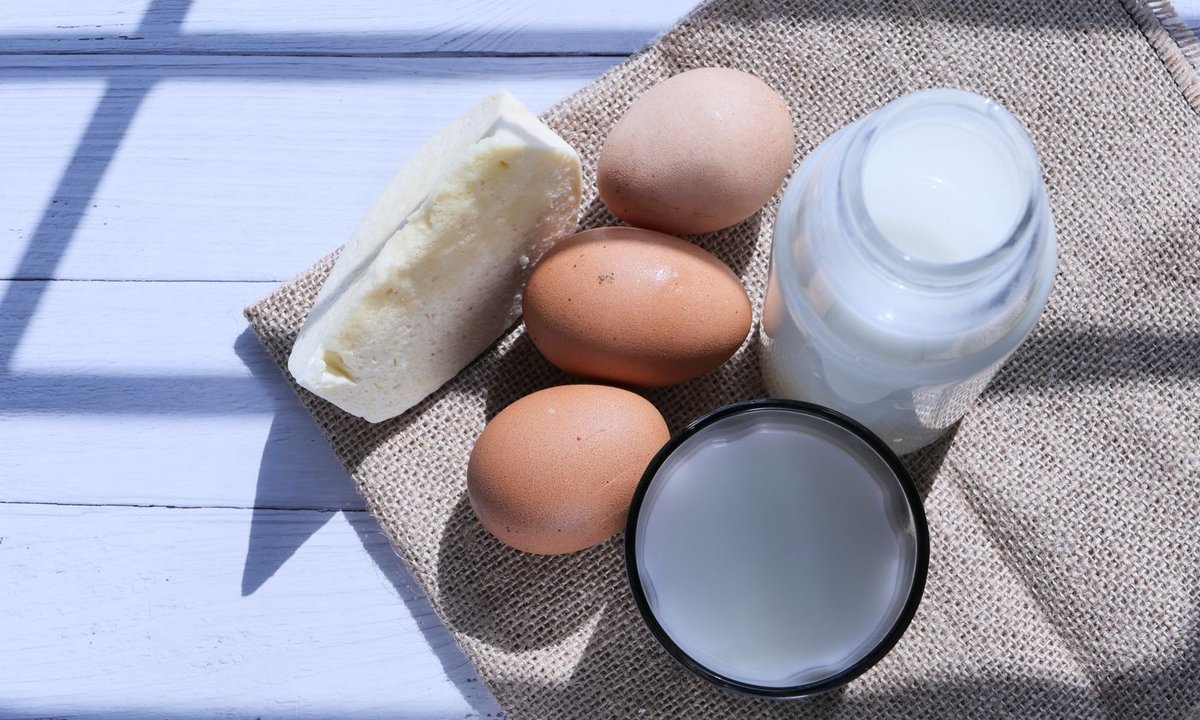
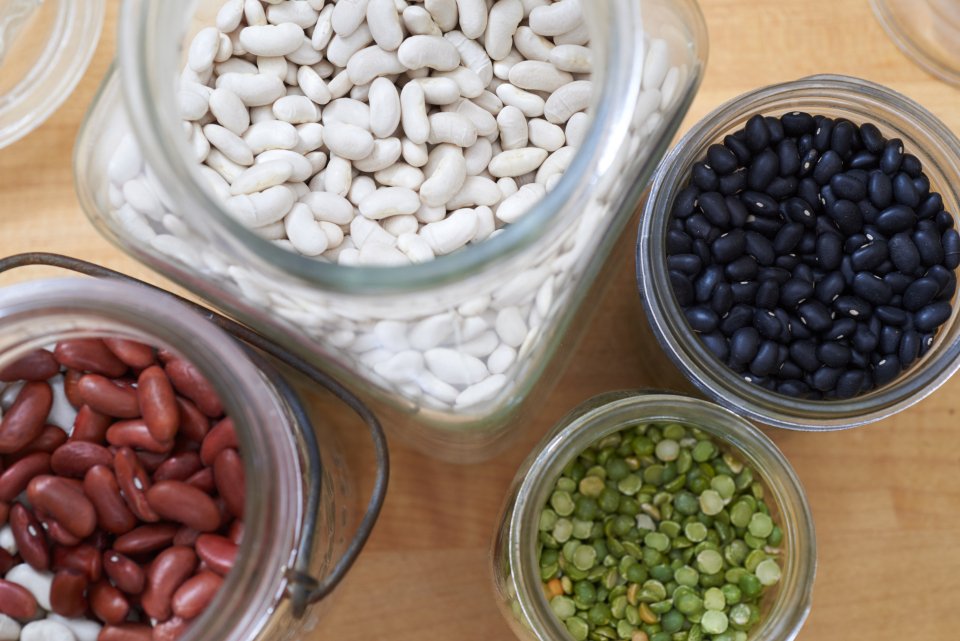
| Food, such as eggs, dairy, tofu, beans, fish, or meat | You want protein as part of a meal | Planning and preparation take time; portions vary in protein content |
| Protein powder mixed into a drink | You need a quick, portable option | It costs money, may not be filling like a meal, and is not required if food already covers your needs |
You don’t need to time a shake to a narrow post-workout window to make progress. A sustainable routine of resistance training and enough food matters more than choosing a particular format. If the social side helps you stick with lifting, Actively can help adults meet nearby workout partners and active friends through shared interests, mutual matching, and chat.
A simple way to decide
For a generally healthy adult, a useful example—not a personalized meal plan—is to include a protein source at meals: eggs or yogurt at breakfast, beans or tofu at lunch, and fish, chicken, or another protein-rich choice at dinner. Adjust portions to your appetite and needs; those examples don’t guarantee a particular daily total.
If meals consistently leave you short, consider a serving of powder as a convenient addition, not a substitute for every meal. Compare labels for protein per serving and ingredients that suit your preferences. If you have a medical condition or have been advised to limit protein, ask a qualified healthcare professional before increasing your intake.
Bottom line: You do not need protein powder to build muscle. Use it if convenience helps you consistently get enough protein; otherwise, ordinary foods can do the job.
Sources & further reading
- Morton et al. (2018): Protein supplementation and resistance trainingChecked October 24, 2026
- International Society of Sports Nutrition Position Stand: Protein and ExerciseChecked October 24, 2026
Prepared with AI assistance by Actively Editorial. Read our sourcing and corrections policy. General educational information; individual needs vary.