Workouts / 3 min read
A Lower-Body Session Using Only Dumbbells and a Bench
A practical lower-body workout using dumbbells and a stable bench, with exercise order, sets, reps, and simple ways to scale it.
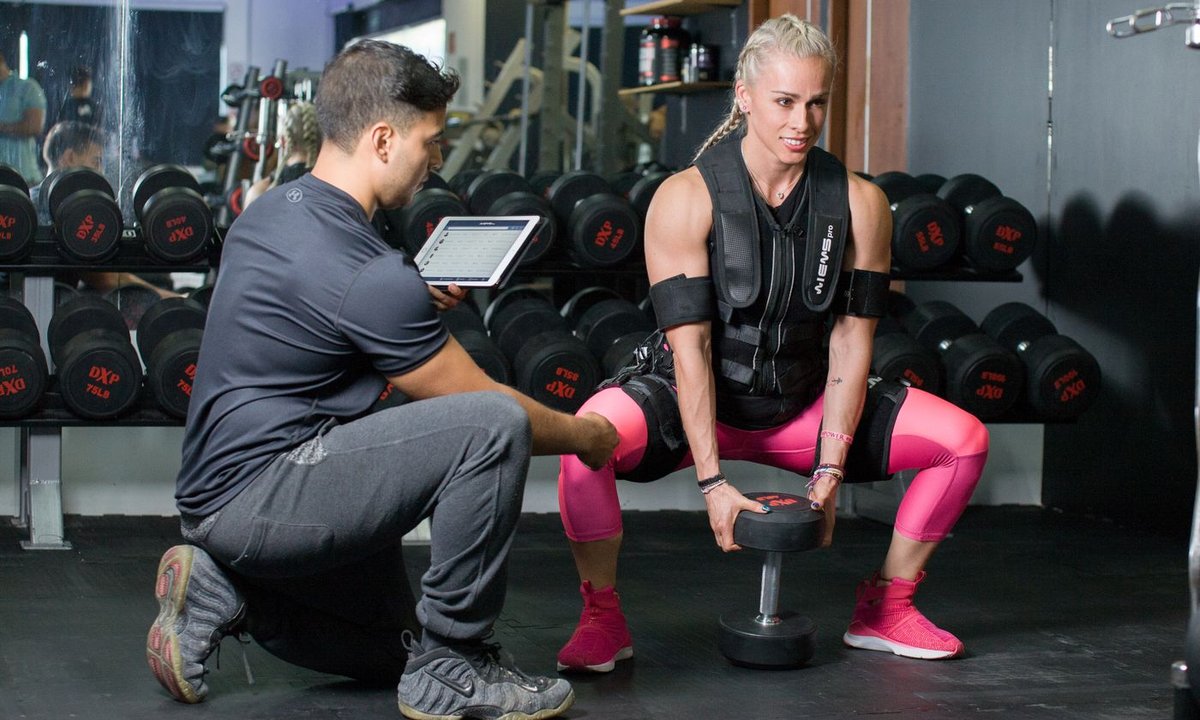
You can train your quads, glutes, and hamstrings with a pair of dumbbells and a sturdy bench. Try this session: dumbbell Romanian deadlift, bench goblet squat, split squat, and glute bridge. Do 2–3 sets of 8–12 reps per exercise, resting until you can perform the next set with controlled form. For one-sided moves, complete reps on both legs; use the bench for support only if it feels stable.
The session
Start with a few easy bodyweight squats and hip hinges, then do a light practice set of your first exercise. The sets below are practical programming suggestions—not a research-prescribed routine. Choose a weight that lets you finish each set with steady technique and a little room to spare.
| Exercise | Sets × reps | Setup and cue |
|---|---|---|
| Dumbbell Romanian deadlift | 3 × 8–12 | Hold dumbbells by your thighs. Push your hips back, keep the weights close to your legs, and stand by driving your hips forward. |
| Goblet squat to bench | 3 × 8–12 | Hold one dumbbell at your chest. Sit back until you lightly touch the bench, then stand. Don’t drop onto the seat. |
| Supported split squat | 2 × 8–10 per leg | Hold one dumbbell if you need your other hand for light support on the bench; use two only if you can balance without hand support. Lower under control, then push through the front foot to rise. |
| Dumbbell glute bridge | 2–3 × 10–15 | Lie on the floor with knees bent and a dumbbell across your hips. Lift until your hips are extended without arching your lower back. |
A study measuring muscle forces during squats, split squats, and step-ups found that demands changed with added load and varied by exercise; it does not establish that this exact workout is best. Use that as a reason to choose a manageable dumbbell load and movements you can control, not to chase a particular exercise ranking. Study on lower-body exercise loading
Make the workout fit your setup
If the dumbbells are light, build toward the upper end of the listed repetition range while keeping the movement controlled. If every set remains very easy, consider a familiar harder variation or a heavier dumbbell when available. If they are heavy, reduce reps and choose a load you can lift safely. When balance is the limiting factor, do the split squat without weights and hold the bench lightly. Use the bench as a squat target only if its height allows a comfortable, controlled touch; otherwise do a goblet squat without sitting back to it. Skip step-ups unless the bench is designed for that use and feels secure.
Rest as long as you need to repeat your reps with control—often around 1–3 minutes, depending on the movement and effort. If you want a workout partner for a home or gym session, Actively helps adults find nearby active friends through shared interests, mutual matching, and chat; it is for connection, not workout coaching or logging.
For a first session, begin with two sets per exercise and see how you feel during and after. Next time, add a repetition within the listed range before increasing dumbbell weight. Stop if you feel sharp pain, and use a bench that does not rock or slide.
Sources & further reading
- Muscle Forces During the Squat, Split Squat, and Step-Up Across a Range of External Loads in College-Aged MenChecked October 29, 2026
Prepared with AI assistance by Actively Editorial. Read our sourcing and corrections policy. General educational information; individual needs vary.