Quick answers / 3 min read
Warm-up sets vs. working sets: which sets count in your plan?
Warm-up sets prepare you for the exercise; working sets are the planned, challenging sets you use to track training volume and progress. Count working sets toward your programmed set target, and record warm-ups…
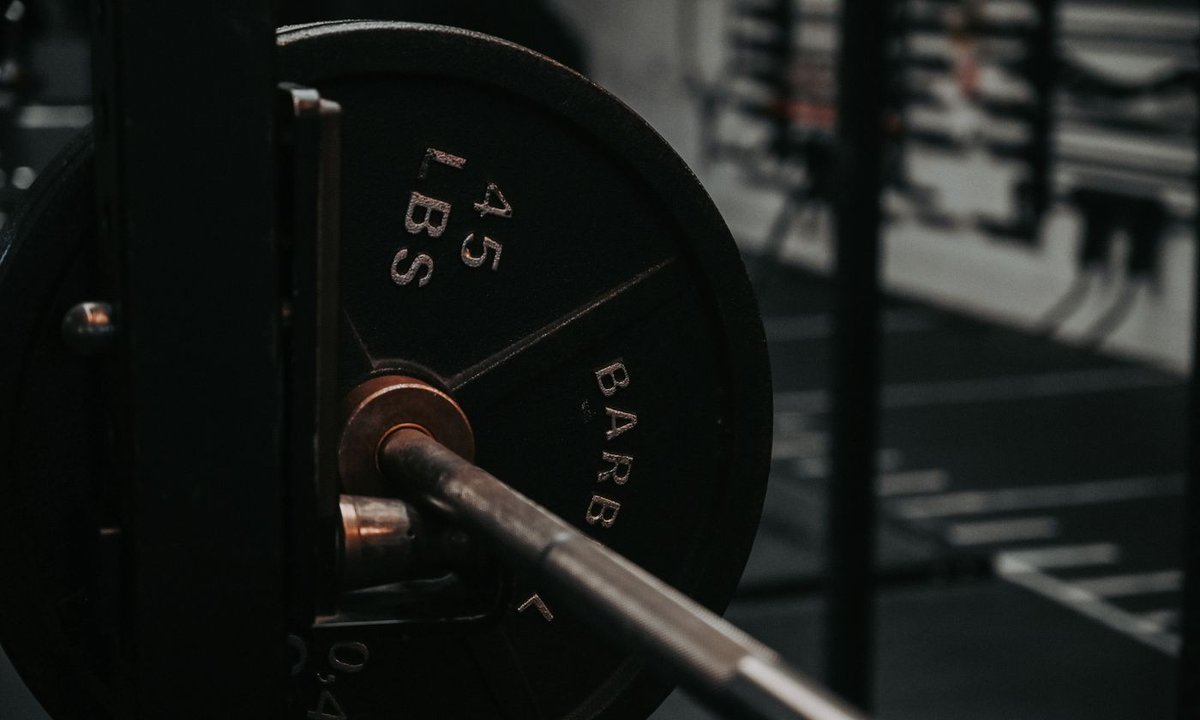
Warm-up sets generally don’t count toward your planned working-set total. They help you prepare for the exercise; working sets are the challenging sets you intend to perform as training. For example, if your plan calls for 3 sets of 8 squats, do 3 working sets—not 2 just because you first did a light practice set. The boundary depends on the set’s purpose and effort, not merely its place in the workout.
The practical distinction
A warm-up set uses a lighter load, fewer repetitions, or both, and should leave you ready rather than tired. A working set uses the load and effort level intended by your plan. It doesn’t have to be taken to failure: a set can count if it’s challenging and performed as prescribed, even when you stop with a few good reps left.
Research has examined how exercise-specific warm-ups affect performance. One study tested different warm-up approaches before squat and bench-press training; it supports treating warm-up as preparation, but it does not establish a universal set-counting rule for every lifter or program (study on specific warm-ups). The counting guidance here is a practical programming convention, not a finding that every warm-up is physiologically “worth zero.”
| Example before 3 × 8 squats | Count toward the 3 working sets? |
|---|---|
| 8 reps with an empty bar, easy effort | No |
| 5 reps with a moderate load, still easy | No |
| 8 reps at the planned challenging load | Yes |
How to log sets—and avoid common mistakes
Write your plan as 3 working sets, then list warm-ups separately if useful: “Squat: warm-up 8 × 20 kg, 5 × 40 kg; working 3 × 8 × 60 kg.” Loads are examples, not recommendations; choose weights that fit your ability and plan.
Don’t count every set with a barbell as a working set. Conversely, don’t label a genuinely hard set a warm-up just to make your volume look smaller. If a “warm-up” is close to your working load and leaves you noticeably fatigued, it may be adding training work—consider whether it’s doing more than preparing you.
Warm-ups don’t need to be identical for every movement. After your first compound lift, a lighter first set may be enough for a familiar machine exercise; a new movement or heavier lift may call for a more gradual build-up. Use enough preparation to feel ready, without turning it into a second workout.
If you train with a partner, agree beforehand which sets are practice and which are planned work; that makes sharing equipment and tracking the workout easier. Actively is a platonic app for adults to find nearby workout partners and active friends through activity interests, mutual matching, and chat.
Sources & further reading
- The Role of Specific Warm-up during Bench Press and Squat Exercises: A Novel ApproachChecked October 24, 2026
Prepared with AI assistance by Actively Editorial. Read our sourcing and corrections policy. General educational information; individual needs vary.