Nutrition / 3 min read
A Practical Guide to Choosing Convenient Protein Foods at the Grocery Store
Choose protein foods you’ll actually use: compare the protein per serving, how much preparation and storage they require, and what else comes with them. Canned beans, eggs, plain yogurt, tofu, and ready-to-eat fish…
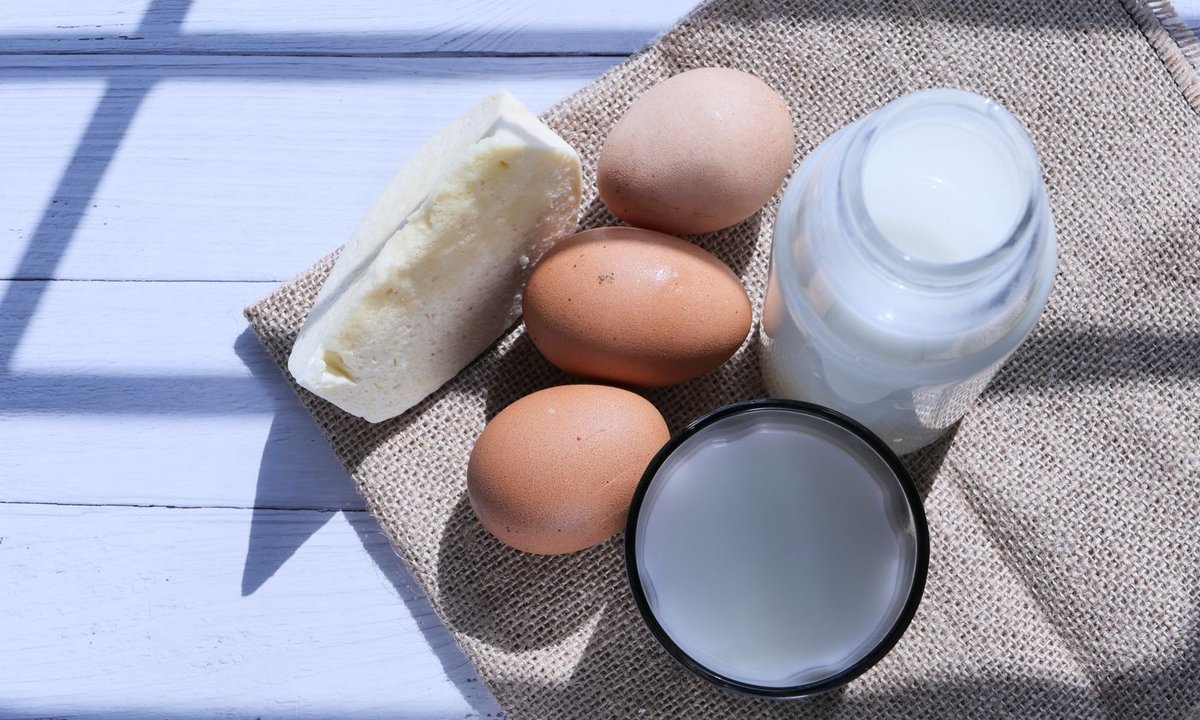
Choose protein foods around the preparation time and storage you actually have. Keep a pantry option, a refrigerated or frozen staple, and a convenient snack you enjoy. Compare labels between similar products, then consider cost, taste, and how quickly you will use them. A food is convenient when it fits your routine, rather than simply carrying a high-protein label.
Start with the kind of convenience you need
Convenient protein is not just food that cooks quickly. It may be something you can eat straight from the package, keep in the pantry, or prepare in a few minutes. The CDC lists options across food groups, including eggs, seafood, beans, lentils, nuts, seeds, soy, and yogurt without added sugars. Its healthy-eating guidance also suggests canned or frozen foods as practical choices.
Use the table as a starting point—not a ranking. Check the package for serving size, protein, sodium, added sugar, and storage instructions; compare similar products by serving rather than by package.
| If you need… | Try… | Practical check |
|---|---|---|
| Pantry backup | Canned beans, lentils, tuna, or salmon | Look at sodium; choose a pull-tab can or pouch if that helps. |
| A quick snack | Plain Greek-style yogurt, cottage cheese, or a small pack of nuts | Check the protein and added sugar on the label; nuts are portable but also energy-dense. |
| Little cooking | Hard-cooked eggs, baked tofu, or ready-to-eat chicken | Check refrigeration needs and use-by dates. |
| A meatless staple | Tofu, edamame, beans, or lentils | Choose the form you’ll actually prepare—frozen edamame, for example, can be microwaved. |
These are practical shopping suggestions, not a research-tested ranking. The CDC’s guidance supports variety among protein foods and notes that yogurt without added sugars is an option; it does not establish one best grocery choice for everyone. CDC healthy-eating guidance
Compare labels without overthinking them
First, compare the serving size and protein amount between similar products. Then check the details that matter for you: added sugar in flavored yogurt or bars, sodium in canned foods and deli meats, and whether a product needs refrigeration. A “high-protein” claim does not tell you whether you like the taste, can afford it, or will use it before it spoils.
If you want more than a snack, pair a protein food with something else you enjoy—such as yogurt with fruit and oats, beans with microwave rice and salsa, or tuna with whole-grain crackers and chopped vegetables. These are simple examples, not individualized meal prescriptions. CDC guidance recommends a variety of protein foods as part of an eating pattern that also includes fruits, vegetables, and whole grains. CDC healthy meals and snacks
Make a small, usable shopping list
Pick one option for the pantry, one for the fridge or freezer, and one grab-and-go choice. For example: canned chickpeas, frozen edamame, and plain yogurt. If you shop for several days, choose quantities you can reasonably store and finish; convenience disappears when food goes unused.
If a shared workout or walk makes it easier to build an active routine, Actively helps adults find nearby workout partners and active friends. It is a platonic activity-matching app, not a meal-planning or nutrition-coaching service.
Sources & further reading
- Tips for Healthy Eating for a Healthy Weight | CDCChecked October 29, 2026
- How to Have Healthier Meals and Snacks | CDCChecked October 27, 2026
- Actively: Find Gym BuddiesChecked October 29, 2026
Prepared with AI assistance by Actively Editorial. Read our sourcing and corrections policy. General educational information; individual needs vary.