Warm-up sets prepare you for the exercise; working sets are the planned, challenging sets you use to track training volume and progress. Count working sets toward your programmed set target, and record warm-ups…
A small side-to-side difference is common. Check your setup and technique, compare sides with the same load and range of motion, then use controlled single-side work to build consistency—without letting the stronger…
Bodybuilding training shifted from physical-culture exercises and early weight routines toward more organized, research-informed resistance training. The biggest practical change is not that modern lifters discovered…
A strange-looking exercise can be useful if it trains your target muscle comfortably and is practical to progress. Treat an S-tier label as a personal ranking, not a universal verdict: the best choice depends on your…
Add weight when you can complete the top of your planned rep range for every set with controlled technique and still have a little effort in reserve. Increase by the smallest practical amount, then build reps again.…
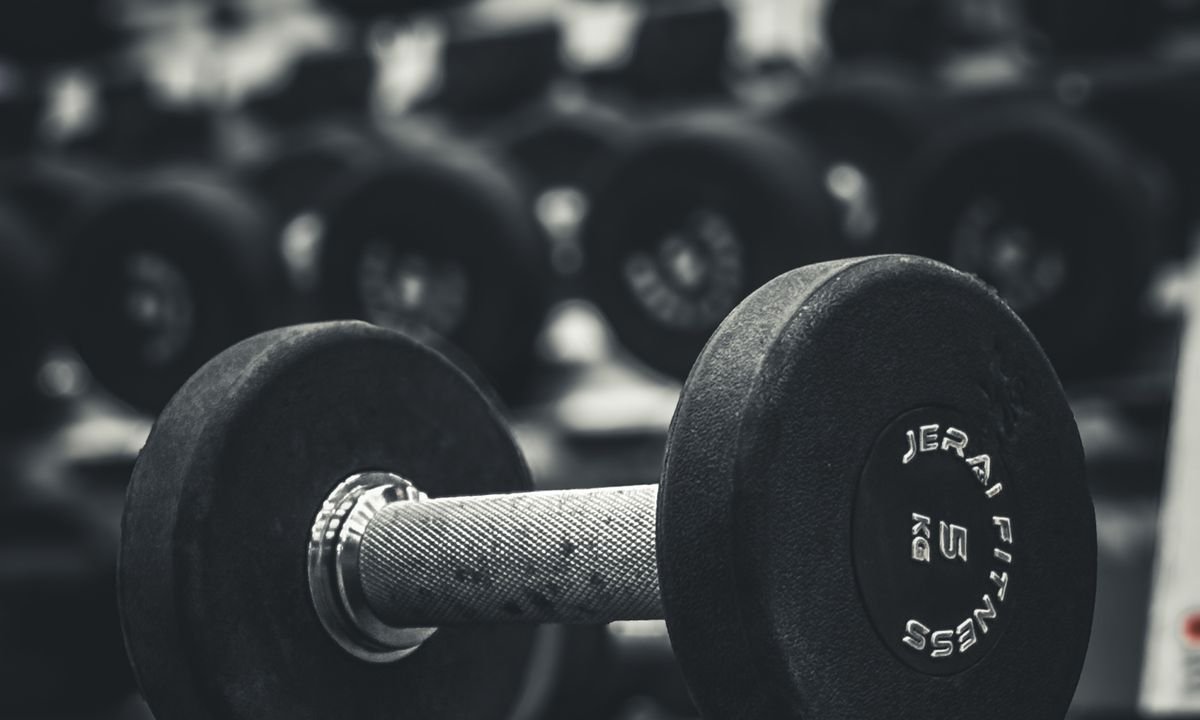
Dumbbell and barbell loads are not interchangeable scores. The equipment changes how you balance, control, and move the weight, so compare progress within the same exercise and setup—not by adding the dumbbell…
Full range of motion (ROM) means moving a weight through the intended exercise’s broad, controlled movement—from one end of the movement to the other. What counts as “full” depends on the exercise and your…
Compound exercises train several joints and muscle groups at once; isolation exercises focus effort on a more specific muscle or movement. Combining them can make a routine efficient while giving you a practical way…
Grief can make exercise feel harder—or make movement feel welcome. Keep training flexible, choose a manageable effort, and treat exercise as support rather than a cure or obligation.