Nutrition / 3 min read
Protein Bars vs. a Simple Snack: How to Choose for Convenience
A protein bar is a handy backup when portability and shelf life matter. A simple snack can be just as convenient if you can pack or store it, and may give you more variety. Choose by your schedule, hunger, storage…
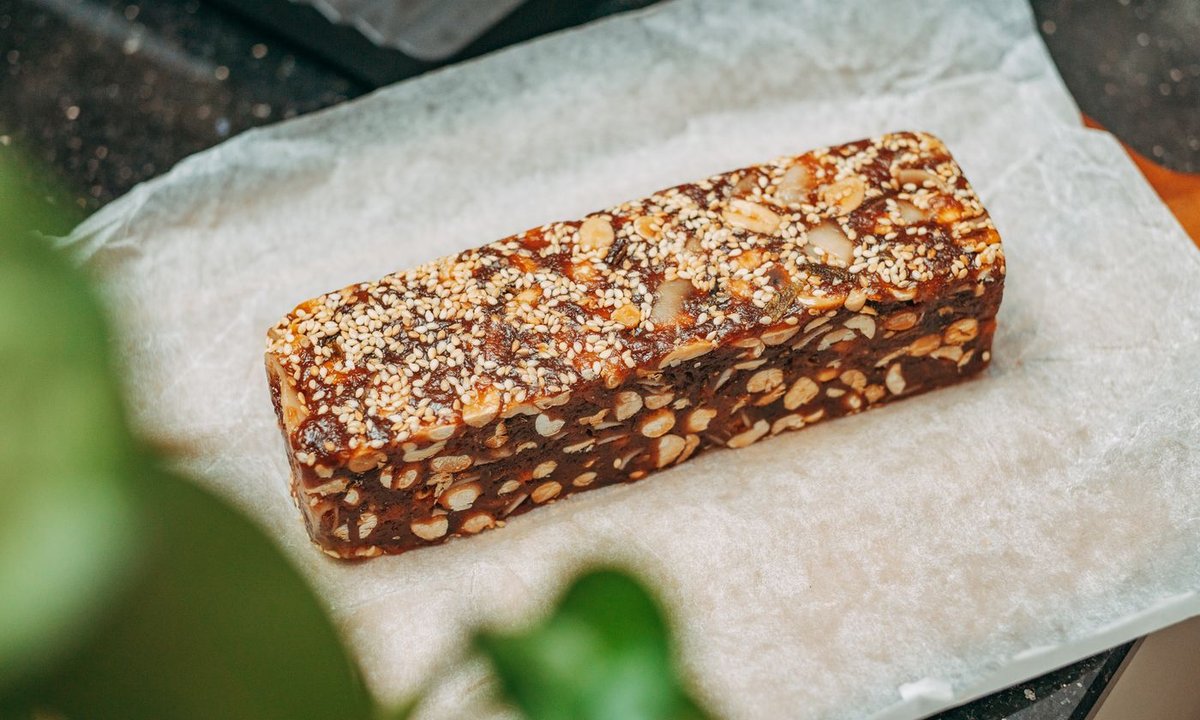
A protein bar is useful when you need something sealed, portable, and ready to eat; a simple snack works well when you have a few minutes to pack it or access to a fridge. Neither is automatically the better choice. Match the option to the situation, check whether it will satisfy you until your next meal, and treat bars as convenient food—not as a requirement for exercise or a substitute for every meal.
Choose for the day you actually have
A bar can be a practical backup in a gym bag, car, or desk drawer, especially when fresh food is hard to store. Its advantage is convenience; its limitation is that bars vary widely in ingredients, protein, fiber, added sugar, and overall size. Read the Nutrition Facts and ingredient list, and pick one you enjoy and can tolerate. You do not need a bar just because you lifted weights.
A simple snack can be equally quick if you plan ahead. For example, an apple with a small handful of nuts is portable, while plain yogurt with fruit works when you have a fridge and spoon. The CDC suggests options such as nuts, unsweetened yogurt, and fruit for snacks; it also recommends a varied eating pattern rather than relying on one type of food (CDC healthy-snacking guidance).
Practical examples:
| Situation | Convenient choice | Trade-off |
|---|---|---|
| Commuting with no cooler | A protein bar you like | Check its label; bars differ |
| At a desk with a fridge | Plain yogurt and fruit | Needs refrigeration and a spoon |
| Between errands | Apple and a small handful of nuts | Takes a little planning; nuts are energy-dense |
These are examples, not prescribed portions or individualized meal plans. For generally healthy adults, adjust the amount to your appetite and routine.
Compare the job, not just the protein number
Ask what you need the snack to do. If you are simply bridging a short gap before dinner, fruit may be enough. If you want something more sustaining, pair fruit with nuts or yogurt. If you need a no-prep option that can stay in your bag, a bar may win. A bar’s protein content alone doesn’t tell you whether it suits your appetite, preferences, or the rest of your day.
For a quick comparison, check serving size, protein, fiber, added sugars, and whether the bar contains ingredients you avoid. For a simple snack, consider whether it will travel safely and whether it is filling enough for the gap. If food allergies, digestive sensitivities, or medical nutrition needs affect your choices, use guidance from a qualified health professional.
Make convenience work for you
Keep one or two shelf-stable options where you tend to get caught without food, and pack simple snacks when you know you’ll have suitable storage. You might keep a bar in your work bag and bring yogurt and fruit for a day at the office. The practical win is having an option you’ll actually eat—not finding a universally “best” snack.
If making plans with an active friend helps you stick to your routine, Actively is a platonic app for adults to find nearby workout partners and active friends. This article is from Actively’s own blog; the app is for social connections, not nutrition coaching or meal planning.
Sources & further reading
- How to Have Healthier Meals and Snacks — CDCChecked October 27, 2026
- Actively: Find Gym Buddies — App StoreChecked October 29, 2026
Prepared with AI assistance by Actively Editorial. Read our sourcing and corrections policy. General educational information; individual needs vary.