Workouts / 3 min read
A Beginner Upper-Body Workout With Machines
A simple machine-based session for beginners, with a practical set-and-rep plan, setup cues, and guidance for choosing a manageable weight.
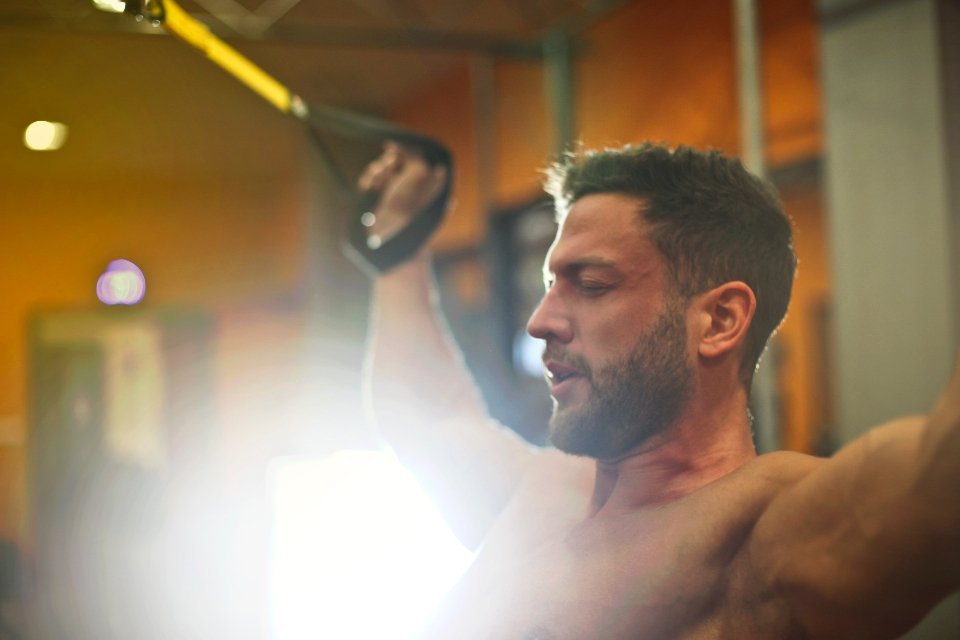
For a first upper-body machine workout, try a chest press, seated row, lat pulldown, and shoulder press. Do 1–2 sets of 8–12 controlled repetitions per exercise, resting about 1–2 minutes between sets. Choose a weight that lets you move smoothly and finish each set with good form; stop if you feel sharp pain.
The workout
This is a practical starting suggestion for generally healthy adults new to resistance training—not a research-tested program. If you’re unfamiliar with a machine, ask gym staff to show you how to adjust it before starting.
| Machine exercise | Main focus | Beginner cues |
|---|---|---|
| Chest press | Chest, triceps, front shoulders | Set the handles around mid-chest. Press without locking your elbows; return slowly. |
| Seated row | Upper back, biceps | Sit tall and pull the handles toward your torso. Avoid leaning back to move the weight. |
| Lat pulldown | Back, biceps | Use a comfortable grip and bring the bar toward your upper chest. Don’t pull it behind your neck. |
| Shoulder press | Shoulders, triceps | Adjust the seat so the handles begin near shoulder height. Press overhead only through a comfortable range. |
Complete the exercises in order, or alternate between a push (chest press) and pull (row or pulldown) if stations are busy. A single set is enough to start; add a second set when you feel ready and can keep your technique steady. The CDC describes 8–12 repetitions as one set and notes that two or three sets can provide additional benefits. CDC: What Counts as Physical Activity for Adults
Choosing a weight and progressing
Start lighter than you think you need. The last few repetitions should feel challenging, but you should still be able to control the machine without jerking, holding your breath, or changing your posture. If you can complete 12 repetitions comfortably for every set, try the next small weight increase at a future session. If you can’t reach 8 repetitions with controlled movement, reduce the load.
Rest long enough to feel ready for the next set—often around 1–2 minutes is a useful practical estimate, not a fixed rule. Keep a note of the machine settings and weight if that helps you remember what to repeat; this article doesn’t assume you’re using a workout-tracking service.
Frequency and a friendly first visit
You could do this session once or twice a week, leaving a day between sessions as a simple way to spread strength work out. That schedule is a practical option, not a requirement. National guidance recommends adults do muscle-strengthening activity on at least two days a week and work all major muscle groups; this upper-body session alone doesn’t cover the legs, hips, or trunk. CDC: Adult Activity—An Overview
If going alone feels like the hardest part, you can use Actively to find nearby workout partners and active friends through activity interests, mutual matching, and chat. It can help you connect with people, but it doesn’t provide workout coaching or logging. A partner can make a first visit feel less daunting; you’ll still need to learn machine setup and choose your own comfortable loads.
If you have an injury, a health condition that affects exercise, or pain during a movement, get individual guidance from a qualified healthcare professional before continuing.
Sources & further reading
- CDC: What Counts as Physical Activity for AdultsChecked October 24, 2026
- CDC: Adult Activity—An OverviewChecked October 24, 2026
Prepared with AI assistance by Actively Editorial. Read our sourcing and corrections policy. General educational information; individual needs vary.