Workouts / 3 min read
A Simple Three-Day Full-Body Workout for Beginners
Train your whole body three nonconsecutive days a week with a small set of beginner-friendly movements. Start with manageable weights, focus on controlled repetitions, and add difficulty gradually as the exercises become easier.
A simple three-day full-body routine can help beginners practice the basic movement patterns without needing a complicated split. Schedule workouts on nonconsecutive days—Monday, Wednesday, and Friday is one example—and use a weight or variation you can control. The plan below is a practical starting point, not an individualized prescription; adjust exercises to your equipment and comfort.
The three-day plan
Warm up with a few minutes of easy movement, then do the exercises in order. For each, complete 2 sets of 8–12 repetitions; rest about 1–2 minutes between sets, or longer if you need to feel ready for the next set. Choose a load that lets you finish with steady form rather than straining through the final repetitions.
| Day | Exercises |
|---|---|
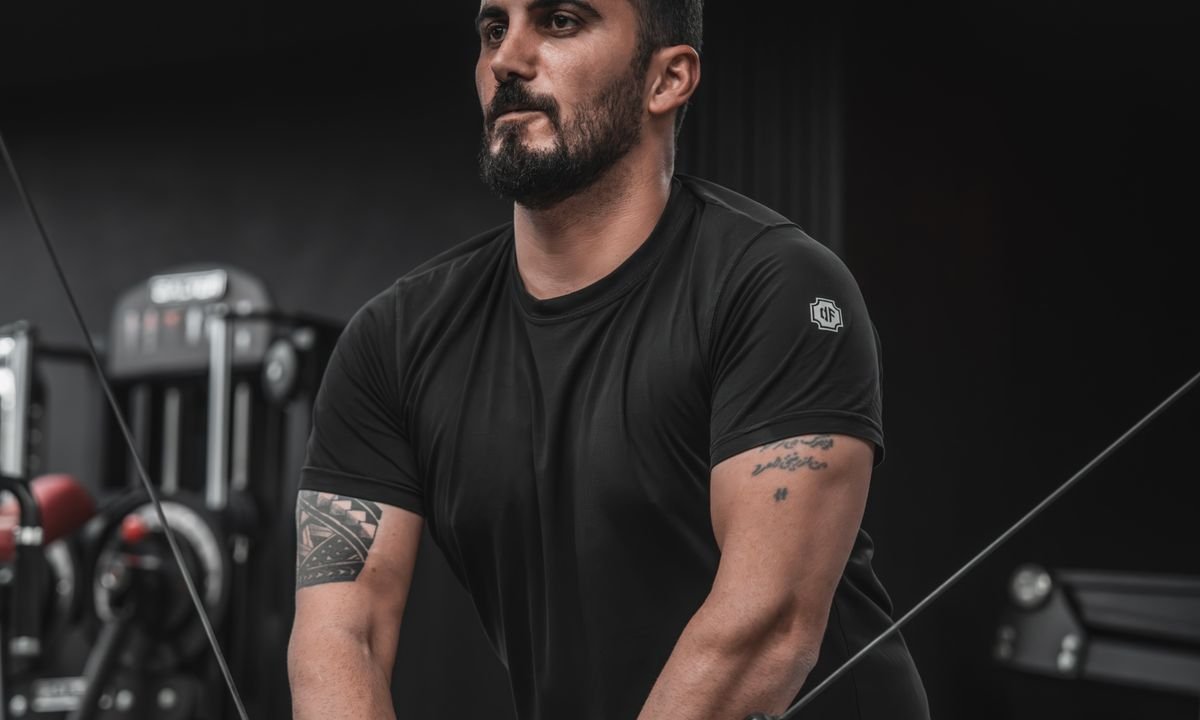
| Day 1 | Chair or goblet squat; dumbbell bench press or incline push-up; seated cable or band row; glute bridge; dead bug |
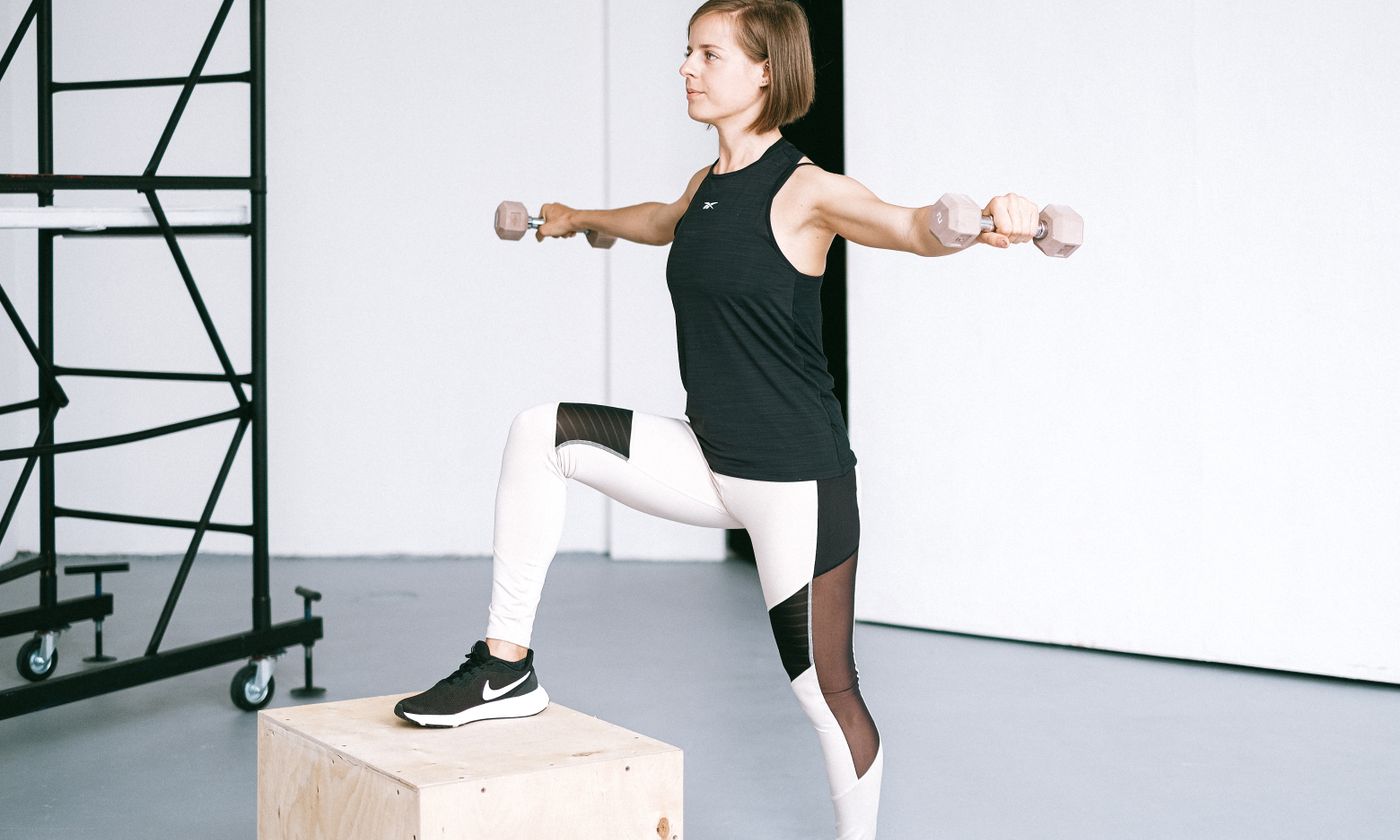
| Day 2 | Dumbbell Romanian deadlift; lat pulldown or band pulldown; dumbbell overhead press; reverse lunge or supported split squat; plank |
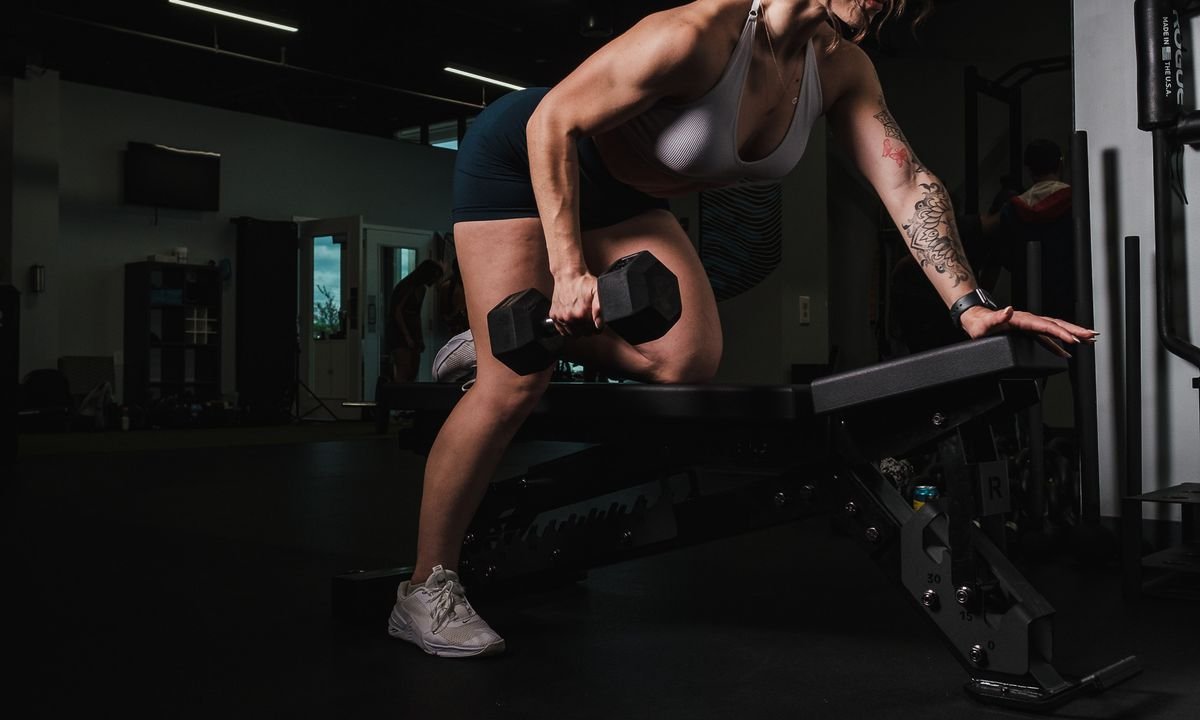
| Day 3 | Leg press or chair squat; incline push-up or dumbbell bench press; one-arm dumbbell row; hip thrust or glute bridge; bird dog |
For planks, dead bugs, and bird dogs, use 2 sets of 6–10 controlled repetitions per side or hold a plank for 15–30 seconds. These exercise and set choices are practical suggestions; the CDC’s broader guidance is that adults should do muscle-strengthening activity on at least 2 days per week, working all major muscle groups. A three-day plan is one way to organize strength sessions, not a requirement for every beginner. (CDC adult activity guidance)
Make the plan work for you
Keep the first couple of weeks comfortable while learning the movements. If an exercise feels awkward, reduce the weight, use a supported variation, or ask a qualified gym professional to check your form. Stop if you feel sharp pain; ordinary effort and muscle fatigue are different from pain. If you have an injury, health concern, or uncertainty about whether an exercise is suitable, seek advice from a healthcare professional.
When you can complete both sets at the top of the repetition range with controlled form, make a small progression next time: add a little weight, use a slightly harder variation, or add a repetition. Change one thing at a time so it is easier to judge how the workout feels. Take rest days between strength sessions; easy walking or other comfortable activity can fit on those days.
Strength training is only one part of adult activity: CDC guidance also recommends at least 150 minutes of moderate-intensity aerobic activity per week, which can be accumulated in shorter bouts. (CDC adult activity guidance) If you prefer a workout partner for company or accountability, Actively helps adults find nearby workout partners and active friends through activity interests, mutual matching, and chat.
Further viewing
For a video introduction to this topic, see Jeff Nippard’s The Best Science-Based Minimalist Workout Plan (Under 45 Mins). The practical examples in this article are our own.
Sources & further reading
- Adult Activity: An Overview — CDCChecked October 24, 2026
- Jeff Nippard: The Best Science-Based Minimalist Workout Plan (Under 45 Mins)Checked October 24, 2026
Prepared with AI assistance by Actively Editorial. Read our sourcing and corrections policy. General educational information; individual needs vary.