Training splits / 3 min read
How to Fit Strength Sessions Around Recreational Sports
Build your week around the sport sessions that matter most, then add two manageable strength workouts where they’re least likely to leave you sore or flat. The best schedule is one you can repeat; adjust strength…
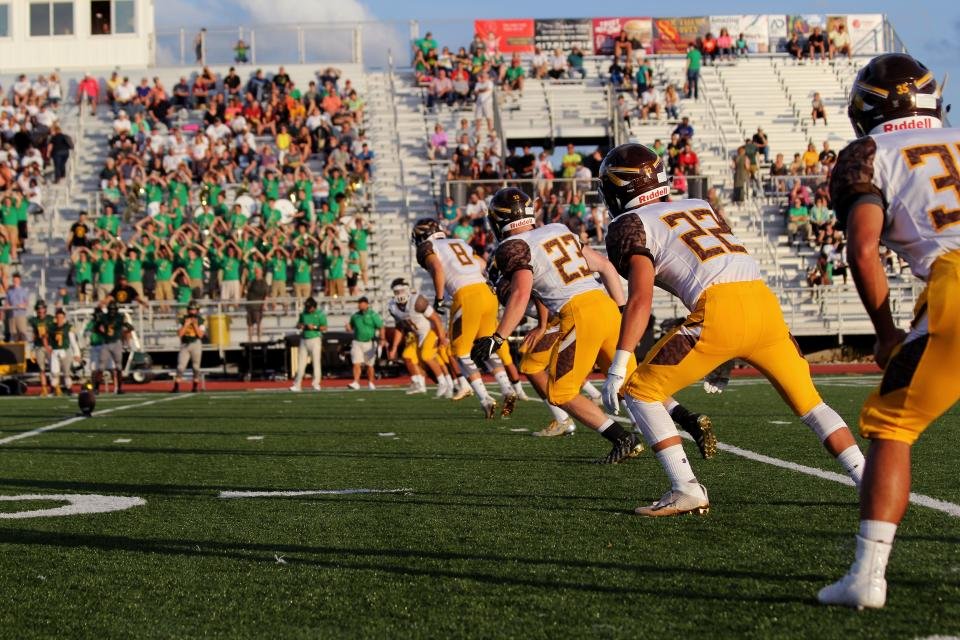
Put your sport sessions on the calendar first, then fit strength training around them. For many recreational adults, two full-body strength sessions on nonconsecutive days are a practical starting point. Keep heavy or unfamiliar leg work away from your hardest game, run, or ride when possible, and shorten a workout rather than forcing it when sport fatigue is high.
Start with the sport, not the gym
Mark your fixed practices, games, matches, and long sessions. Treat the most demanding sport day as a priority, then place strength sessions on days that allow you to feel reasonably fresh for it. This is a planning suggestion, not a universal recovery rule: sport demands differ, and your response matters.
Research on concurrent strength and endurance training suggests people can improve both qualities, while some outcomes may depend on the training combination and participant. It does not establish one perfect weekly schedule for every recreational sport. If you must do strength and endurance work on the same day, a practical option is to separate sessions when your schedule allows; if not, do the session tied to your main goal first. A 2023 systematic review found small blunting of lower-body strength gains in male participants combining training, but not female participants, and noted limits in the available evidence. Research review
The CDC recommends adults get muscle-strengthening activity on at least two days per week, alongside aerobic activity. Sport may contribute to aerobic activity, but it may not cover strength work for all major muscle groups. CDC adult activity guidance
Example week: two sport sessions and two strength sessions
| Day | Plan |
|---|---|
| Monday | Full-body strength, moderate effort |
| Tuesday | Recreational sport practice |
| Wednesday | Rest or easy walk |
| Thursday | Full-body strength, moderate effort |
| Friday | Rest or light mobility |
| Saturday | Game, match, long ride, or run |
| Sunday | Rest or easy recovery activity |
This is a template, not a prescription. If Saturday is your hardest sport day, avoid making Thursday a punishing leg session. Choose a few familiar movements—such as a squat or step-up, a hip hinge, a push, and a pull—and use manageable sets that leave you able to complete good repetitions. When a sport week gets busy, keep one shorter strength session rather than cramming missed workouts beside a competition.
Adjust by soreness and performance
If your legs feel unusually heavy, your warm-up feels harder than usual, or soreness changes how you move, reduce that day’s load, sets, or lower-body exercises. These are practical cues, not diagnostic tests. Resume your normal plan when you feel ready; don’t try to “make up” every missed set.
If you want company for a run, pickup game, or gym session, Actively helps adults find nearby workout partners and active friends through interests, mutual matching, and chat. It can help you connect with people; it does not create or manage your training schedule.
This is Actively’s own blog, so the app mention is not an independent endorsement. Its relevant advantage is helping people discover activity partners; a limitation is that finding a match does not guarantee shared availability, compatibility, or coaching. Build the week around your real calendar, then adjust the plan to how sport and strength sessions actually feel.
Sources & further reading
- Concurrent Strength and Endurance Training: A Systematic Review and Meta-Analysis on the Impact of Sex and Training StatusChecked October 24, 2026
- CDC: Adult Activity — An OverviewChecked October 24, 2026
Prepared with AI assistance by Actively Editorial. Read our sourcing and corrections policy. General educational information; individual needs vary.